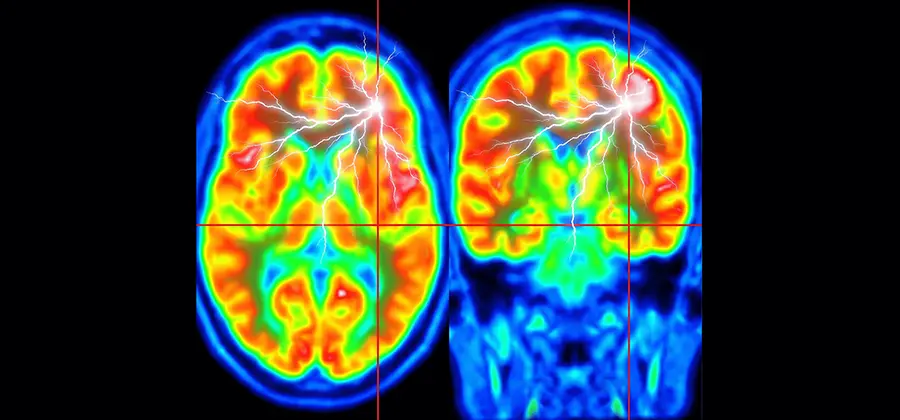
Adult recurrent malignant brain tumors
Pediatric recurrent malignant brain tumors
Boron Neutron Capture Therapy (BNCT) is an advanced radiotherapy modality with high tumor selectivity. The principle of BNCT involves the preferential accumulation of boron-containing compounds within tumor cells, followed by irradiation with low-energy neutrons. When boron-10 captures a neutron, a nuclear reaction occurs, producing high linear energy transfer (LET) alpha particles and lithium nuclei. These particles deposit a large amount of energy over an extremely short range, effectively destroying tumor cells while substantially reducing radiation damage to surrounding normal tissues.
In Taiwan, BNCT development began with research reactor–based systems, leading to the accumulation of extensive clinical experience and pharmacokinetic data. Currently, Taipei Veterans General Hospital is leading the transition toward accelerator-based BNCT (AB-BNCT), advancing the technology toward routine clinical application. In Taiwan, BNCT is primarily applied to recurrent or refractory cancers, such as head and neck cancers and brain tumors. By integrating medical physics, nuclear medicine, radiation oncology, and engineering technologies, Taiwan’s BNCT program demonstrates the characteristics of precision radiotherapy and interdisciplinary collaboration.
Key Technologies: Reactor-based BNCT (RB-BNCT), neutron beam shaping, boron drug dosimetry and biodistribution assessment, and Monte Carlo dose calculation.
Distinctive Features: High tumor selectivity, high-LET precision tumor cell killing, and low dose to normal tissues, particularly suitable for recurrent and refractory malignancies.
Representative Workflow / Innovations: Nuclear imaging–based evaluation of boron uptake → personalized dose planning → single or limited-fraction irradiation → cross-institutional academic–industrial collaboration (hospital–university–industry) to promote clinical translation.
As of June 2025, a total of 81 international medical service visits had been provided to patients from 14 countries.
As of June 2025, 322 treatment sessions had been delivered for recurrent brain tumors, the highest number worldwide.
The only institution worldwide providing emergency BNCT medical care for pediatric brain tumors.
The world’s first BNCT treatment for pediatric diffuse midline glioma.
The only institution worldwide providing emergency BNCT medical care for malignant brain tumors.
The response rate one month after BNCT for adult recurrent supratentorial glioblastoma was 67%.
In adult recurrent supratentorial glioblastoma, the median post-recurrence survival was 12.4 months.
Compared with conservative treatment, BNCT significantly prolonged progression-free survival.
In pediatric recurrent brain tumors, the response rate was 80%, with a median progression-free survival of 3.8 months.
In pediatric diffuse midline glioma, the partial response rate was 50%, with a median progression-free survival of 4.35 months.
Integrated specialized positron emission imaging to establish a standardized pre-treatment evaluation workflow.
Developed individualized treatment plans.
Conducted case-by-case discussions through multidisciplinary collaboration.
Established a cross-team, standardized treatment workflow.
Monitored blood boron concentration in real time to precisely determine the optimal irradiation timing.
In adult recurrent supratentorial glioblastoma, no radiation-induced brain necrosis was observed after BNCT.
Promoted a systematic patient satisfaction survey and follow-up tracking mechanism.
Short treatment duration, mild side effects, and a sense of reassurance.
Significantly reduced the burden of daily life compared with conventional radiotherapy.
Consistent explanations from imaging to treatment, with a clear treatment workflow.
Willingness to share this treatment model with other patients.
The paper was cited in the International Atomic Energy Agency (IAEA) BNCT guidelines.
Completed the world’s first Chinese textbook, Introduction to Boron Neutron Capture Therapy.
Appointed as an ICRU committee member, responsible for establishing international BNCT radiation dosimetry and reporting standards.
Domestic promotion: Organized training workshops to share clinical applications and case-based teaching.
Domestic promotion: Shared clinical experience and initiated multicenter clinical trials.
International promotion: Invited to participate in international conferences for academic exchange.
International benchmarking: Hosted visits from international scholars.
International collaboration: Established a clinical data exchange mechanism with Osaka Medical and Pharmaceutical University and Kyoto University in Japan, forming a Taiwan–Japan BNCT alliance.