Periampullary Tumors
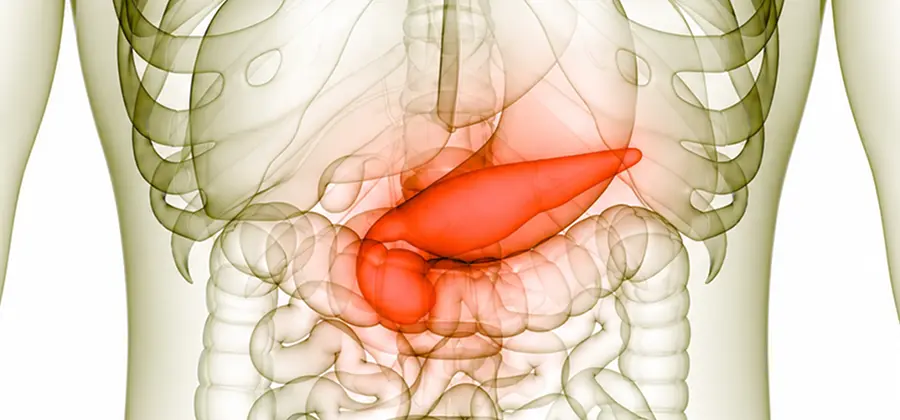
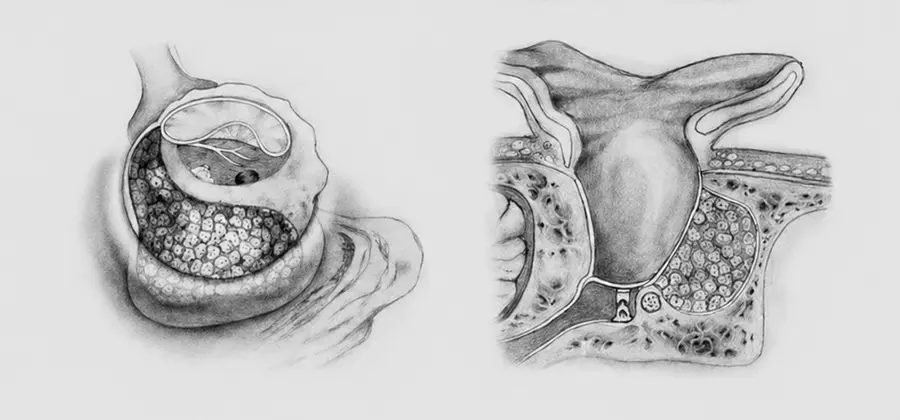
Ampullary cancer
Duodenal cancer
Distal CBD cancer
Pancreatic head cancer
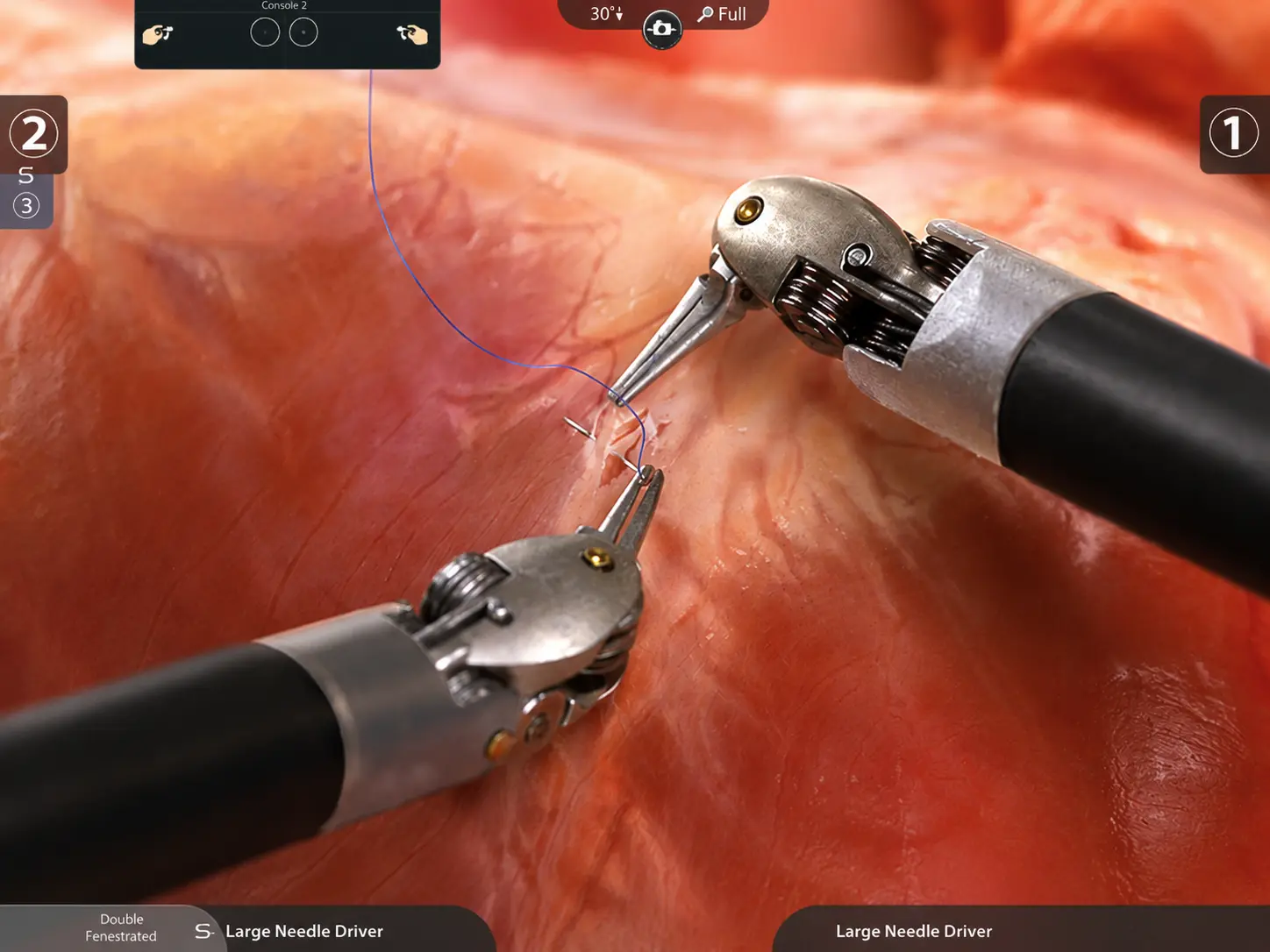
da Vinci robotic pancreaticoduodenectomy provides a minimally invasive surgical intervention for patients presenting with periampullary tumors.
Innovation
1: Defying Tradition, Pursuing Perfection
2: Pushing the Limits of Advanced Age, Creating Miracles
3: Rapid Recovery
4: Minimal Blood Loss
5: Drastic Reduction in Delayed Gastric Emptying
Feature
1 "Quality": Defying Tradition with the World's Lowest Mortality Rate
2 "Quantity": Ranking First in Taiwan, Leading Asia, and Surpassing Europe and the US
3 "Satisfaction": Achieving an Overall Satisfaction Rate of up to 99%
4 "Taiwan’s Sole Representative": Drafting International Guidelines for Minimally Invasive Pancreatic Surgery
5: Textbook Authorship
6: Recognition Through Prestigious Awards
Performed over 900 cases / Completed over 900 procedures
Surgical success rate / Operative success rate
Mortality rate of 1.2% for da Vinci robotic-assisted pancreaticoduodenectomy
Ranked first in surgery volume across Taiwan, Asia, and the world
Published 66 academic papers on pancreatic and pancreaticoduodenectomy surgeries
Published 38 academic papers on da Vinci robotic minimally invasive pancreatic surgery
Delivered 92 invited lectures and served as session chairs for research presentations
Authored the "Pancreaticoduodenectomy Surgical Techniques" chapter in the international textbook Pancreas Cancer
Invited to participate in the International Guidelines Meeting in Minimally Invasive Pancreatic Resection
Blood Loss Median: RPD 120 c.c., OPD 250 c.c., P = 0.001
DGE ISGPS B & C: RPD 3 (3.4%), OPD 12 (13.8%), P = 0.015
POPF (Post-operative Pancreatic Fistula): 10-20%, even in high-volume centers
RPD to be recommended again: Total n=105, Yes 104 (99.05%), No 1 (0.95%) (Asian Journal of Surgery 2019; August 13 accepted)
Postop. period <12 months, n=64: Yes 63 (98.4%), No 1 (1.6%), P value 0.610