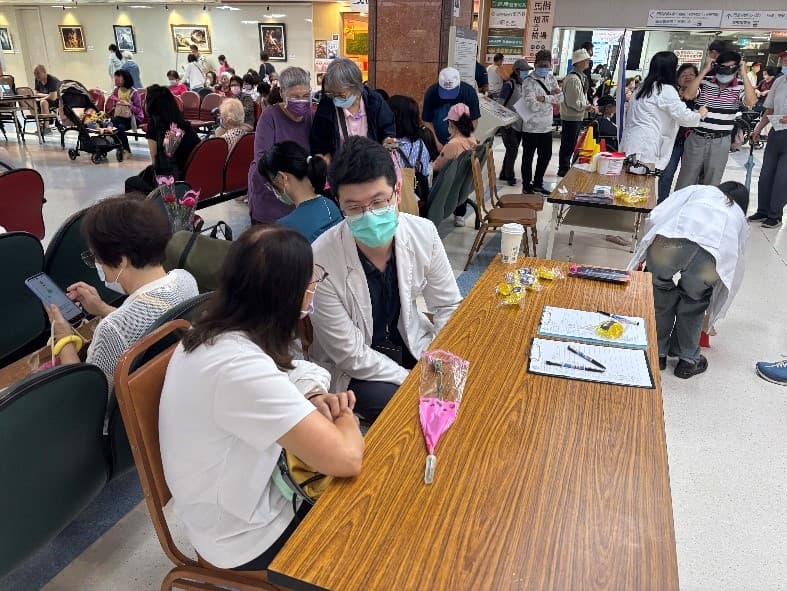
Women with high-risk pregnancies (e.g., preeclampsia, gestational diabetes mellitus, and fetal growth restriction) and their fetuses.
The assessment of placental function is critical in both clinical and basic medical research, as it plays a pivotal role in promoting healthy fetal development. Positioned between the uterine wall and the fetus, the placenta is responsible for nutrient supply, oxygen transfer, and waste removal. Evaluating its function ensures optimal performance, creating a supportive environment for fetal growth.
Since 2002, the High-Risk Pregnancy Division of the Obstetrics and Gynecology Department at MacKay Memorial Hospital has conducted extensive research on the placenta, focusing on the pathological mechanisms of preeclampsia and the risk factors associated with fetal growth restriction. These research findings have been successfully translated into clinical practice.
At the Pregnancy Assessment Center, first-trimester screening for preeclampsia is available, enabling the early identification of high-risk individuals who are subsequently prescribed low-dose aspirin and closely monitored. In the second trimester, the sFlt-1/PlGF ratio is measured to predict or rule out preeclampsia. For cases involving fetal growth restriction, comprehensive assessments of fetal physiology and blood flow resistance are conducted. When necessary, additional examinations are performed, and multidisciplinary collaboration with neonatologists determines the optimal timing of delivery to safeguard the health of both the mother and the newborn.
First-trimester pre-eclampsia screening
Second-trimester preeclampsia screening (sFlt-1/PlGF ratio in maternal blood)
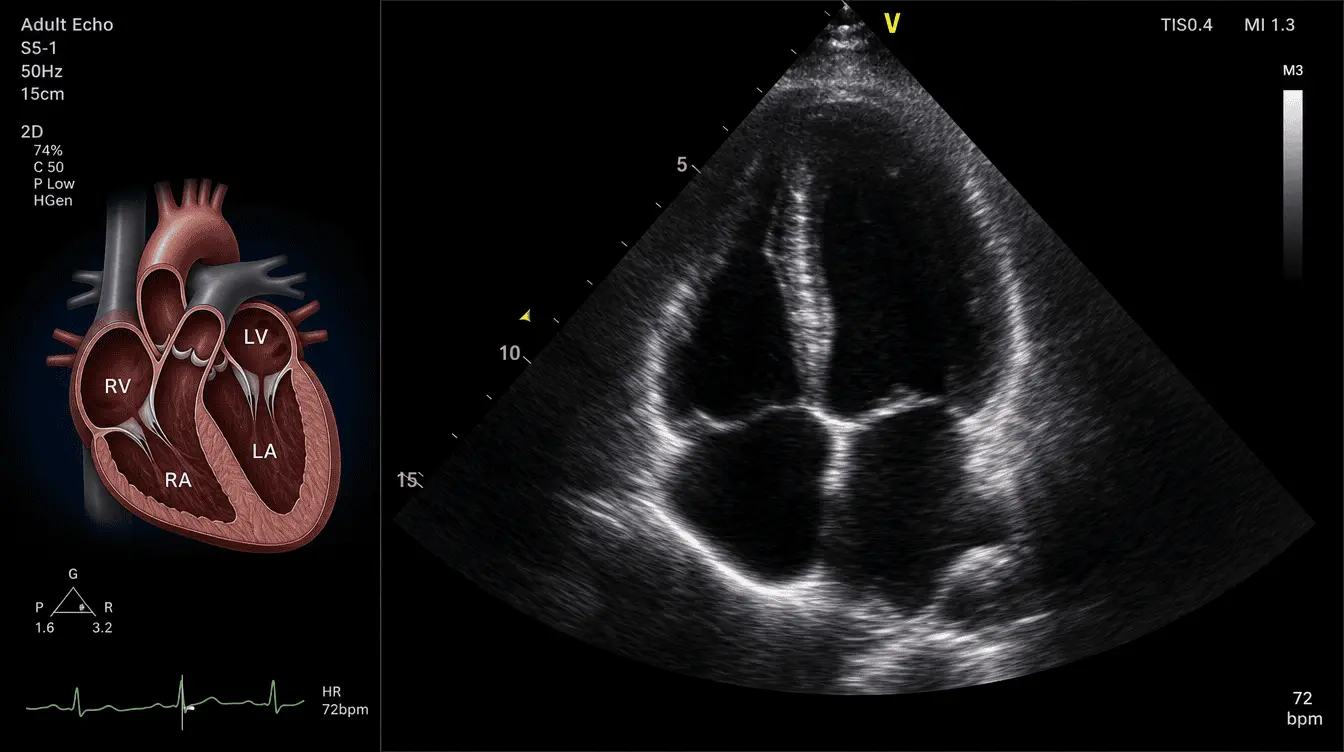
Doppler waveforms and velocimetry assessment of uterine arteries, umbilical arteries, fetal middle cerebral arteries and fetal ductus venous.
Remote blood glucose monitoring for gestational diabetes mellitus APP
2023 First-trimester Preeclampsia Screening: 1,038 cases.
2023 High-Risk Pregnancy Reporting (Referral): 673 (29) cases.
2023 Gestational Diabetes Mellitus: 320 cases.
2023 Fetal Growth Restriction: 84 cases.
The screening volume for preeclampsia is high, and administering aspirin to high-risk groups effectively reduces the incidence of preeclampsia by 83%.
From November 2017 to February 2022, a total of 3,904 pregnant women underwent first-trimester preeclampsia screening. Among them, 373 were identified as high-risk and were prescribed oral aspirin for prevention. Excluding those who did not take the medication regularly, experienced early miscarriage, or did not continue prenatal care at our hospital, 206 pregnant women were included in the analysis. Of these, 35 developed preeclampsia, with an incidence rate of 16.9%. Thus, the proportion of women initially diagnosed as high-risk for preeclampsia who did not develop the condition after taking oral aspirin was 83.1%.
The number of high-risk pregnant women is substantial, yet the cesarean section rate is lower than the average for medical centers (Figure 1).
The number of preterm infants referred from other medical institutions is significant, but the neonatal mortality rate for preterm infants is lower than that of domestic and international medical institutions (Figure 2).
A total of 1,028 pregnant women underwent first-trimester preeclampsia screening in 2024. Among them, 97 women identified as high risk received low-dose aspirin prophylaxis. Of the 85 women eligible for follow-up analysis, only 7 subsequently developed preeclampsia, resulting in a prevention success rate of 91.8%.
A rapid response system for high-risk obstetric emergencies was established, achieving a 100% rate of specialist evaluation within 60 minutes of hospital arrival for emergency high-risk pregnancies.
A comprehensive fetal growth and perinatal surveillance program was implemented. The prenatal neonatology consultation rate for high-risk pregnancies delivering between 22 and 35 weeks of gestation reached 93.14% in 2024.
Continuous monitoring of pregnancies complicated by maternal or placental disorders was maintained. The intrauterine fetal demise rate among high-risk pregnancies remained at 1.06% in the fourth quarter of 2025, meeting the institutional quality target of ≤5%.
First-trimester preeclampsia screening and placental function assessment enable pregnant women to better understand their individual risks and receive timely preventive interventions, enhancing confidence in high-risk pregnancy care.
A multidisciplinary care model with coordinated case management provides continuous and integrated services, improving the overall patient experience.
Regular ultrasound examinations and fetal Doppler surveillance for pregnancies complicated by fetal growth restriction or placental dysfunction allow timely monitoring of fetal well-being, reducing maternal anxiety and improving satisfaction with care.
Prenatal consultation with neonatologists and comprehensive counseling help families understand potential neonatal risks and treatment options, facilitating effective communication and shared decision-making.
Mackay Memorial Hospital has established a comprehensive placental function assessment program integrating first-trimester preeclampsia screening, placental biomarkers, fetal Doppler ultrasound, and multidisciplinary maternal-fetal care, in alignment with international standards for placental medicine.
The maternal-fetal medicine team has published numerous peer-reviewed articles on placental dysfunction, preeclampsia, fetal growth restriction, and perinatal outcomes in internationally recognized journals, contributing to advances in obstetric care and fetal health.
Research findings from our institution have supported the implementation of evidence-based strategies for the prevention and early detection of preeclampsia, including risk stratification and aspirin prophylaxis for high-risk pregnancies.
The program incorporates internationally accepted screening models and fetal surveillance protocols, facilitating the translation of research evidence into routine clinical practice and improving maternal and neonatal outcomes.
Through continuous academic exchange, international collaboration, and participation in global maternal-fetal medicine initiatives, our team actively promotes innovation in placental medicine and high-risk pregnancy care throughout the Asia-Pacific region.
The Department of Obstetrics and Gynecology at our hospital holds regular monthly perinatal joint discussion meetings with the Department of Neonatology. These meetings aim to provide optimal treatment for each high-risk pregnancy case and leverage feedback from pediatric specialists to ensure the best possible medical care for both mothers and their fetuses.
Establish care indicators for high-risk pregnancies, such as cesarean section rates, preterm birth rates, and perinatal mortality rates. These indicators are regularly reviewed to monitor trends and identify areas for improvement.
Regularly update management protocols for high-risk pregnancies based on the latest data (Figure 3) to ensure that mothers and fetuses receive up-to-date and evidence-based care.