Patients receiving chemotherapy
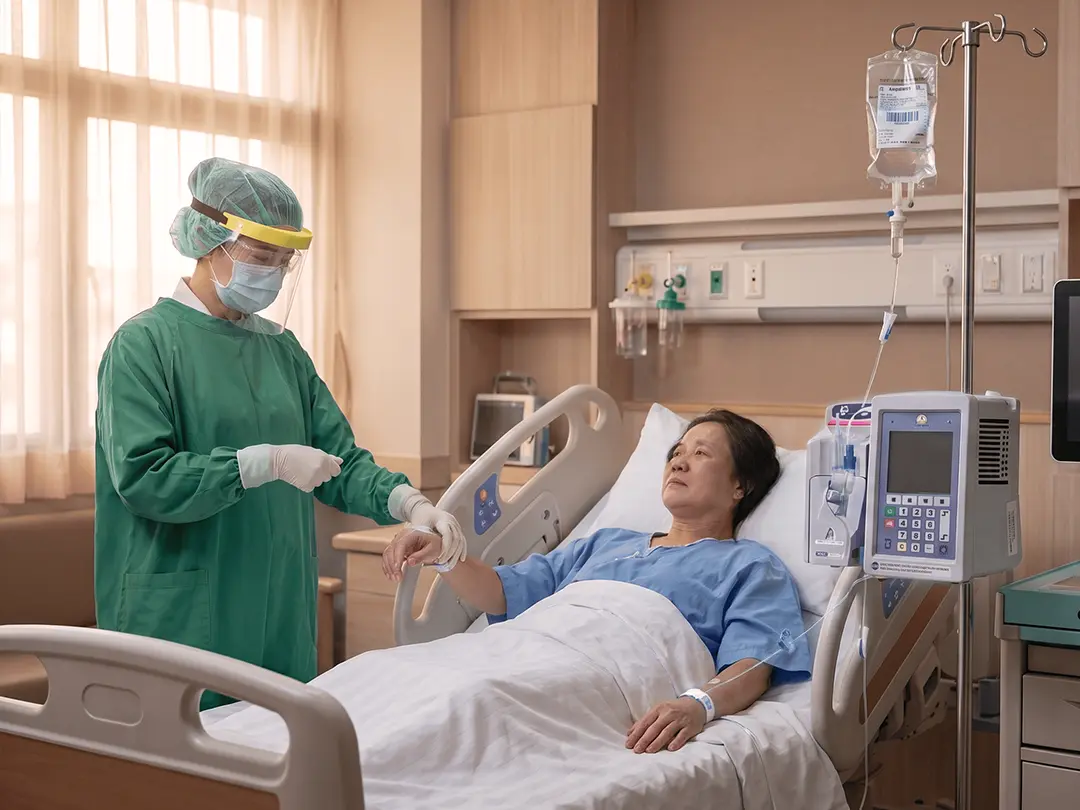
Chemotherapy drugs are classified as high-alert medications. Strict controls are required at every stage—from prescribing and compounding to delivery and administration—to ensure medication safety and accuracy. Our hospital has implemented multiple smart systems across five key domains—physicians, pharmacists, transport staff, nursing, and follow-up—to establish a comprehensive closed-loop chemotherapy medication management system. Through system integration and process standardization, the accuracy of chemotherapy prescribing, compounding, delivery, and administration is significantly enhanced. At the same time, the entire medication administration process and drug flow are fully documented, strengthening traceability while greatly improving healthcare professionals’ operational efficiency and patient medication safety.
Physicians: Chemotherapy regimen order set system; lifetime cumulative dose verification system for chemotherapy drugs; chemotherapy and hepatitis B screening/verification system; structured antineoplastic infusion prescribing with concentration and infusion rate verification system.
Pharmacy: Prescription verification/interpretation system; barcode-based chemotherapy dispensing system.
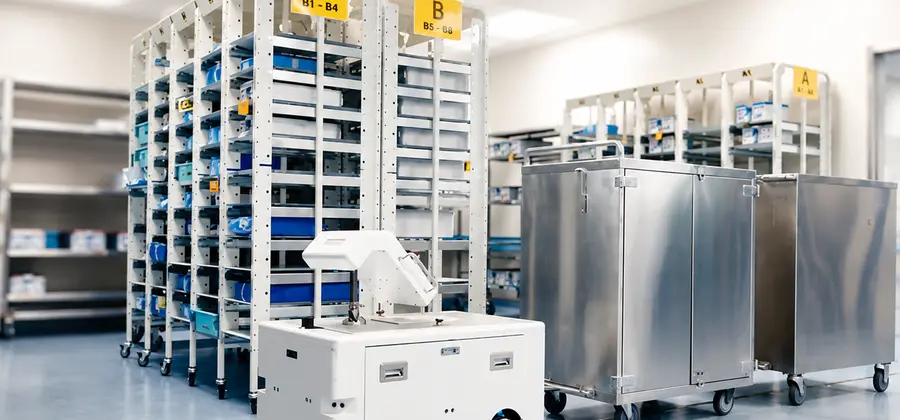
Transport staff: Integrated logistics operations system.
Nursing: Barcode medication administration and electronic medication administration record (eMAR) system; smart infusion pumps.
Follow-up: Digital adverse drug reaction (ADR) reporting system; medication error reporting system.
Chemotherapy prescriptions: an average of 9,500 orders per month
Chemotherapy prescribing error rate: 0.04%; dispensing error rate: 0.0009%; administration error rate: 0.0019%.
Medication administration using smart infusion pumps with human–machine double verification saves 18 minutes per administration.
Chemotherapy prescribing error rate: 0.04%; dispensing error rate: 0.0009%; administration error rate: 0.0019%.
Real-time provision of chemotherapy compounding and delivery status information: overall nursing staff satisfaction rate of 90%.
The Federation of Asian Pharmaceutical Associations (FAPA) “International Good Pharmacy Practice (GPP) Excellence in Smart Pharmacy” Training Center
Reducing medical disputes, lowering the risk of patient emergency interventions and prolonged hospitalization, and conserving healthcare resource expenditures.