Providing Seamless Hospice Comfort Care for Cancer Patients
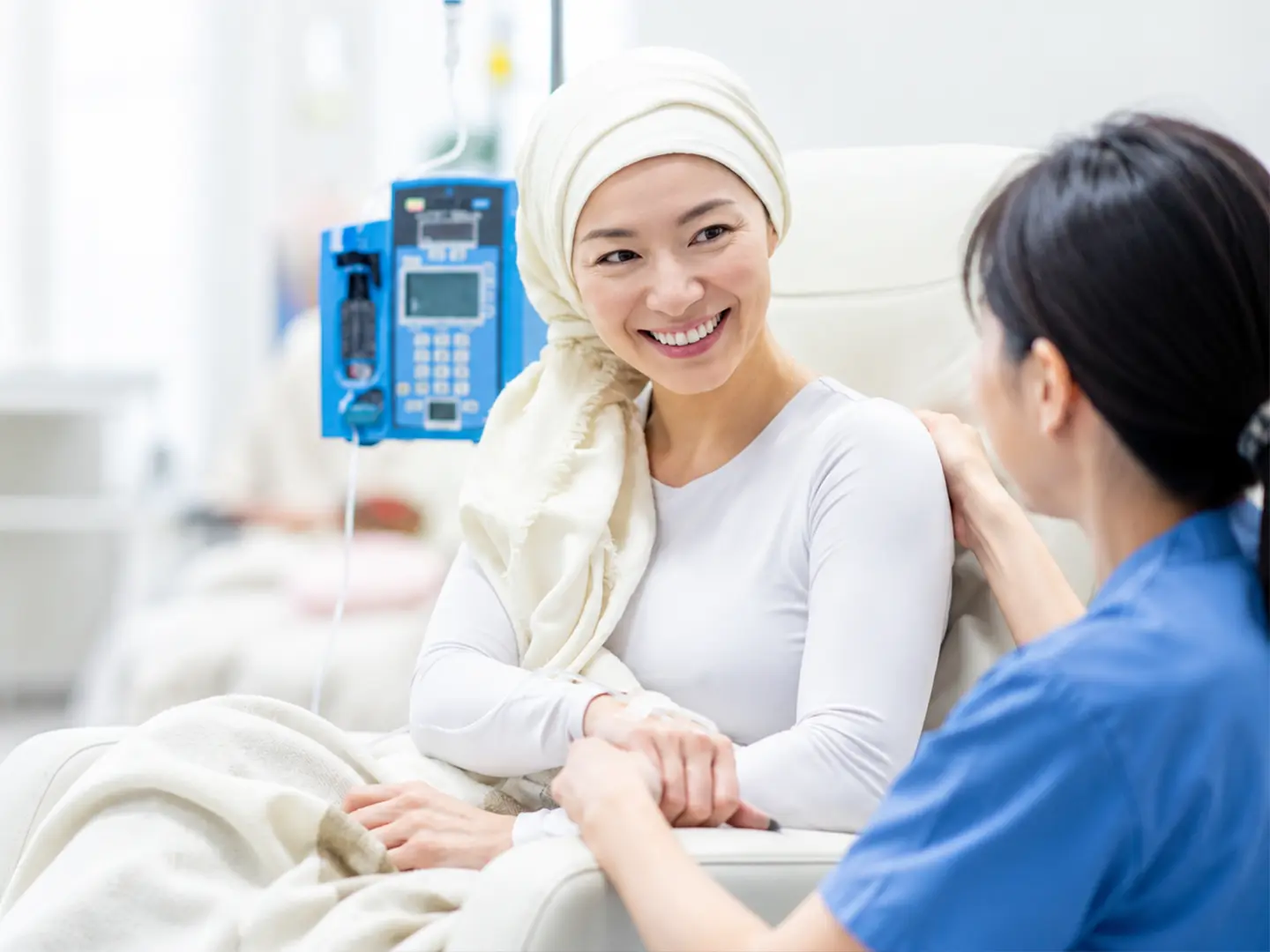
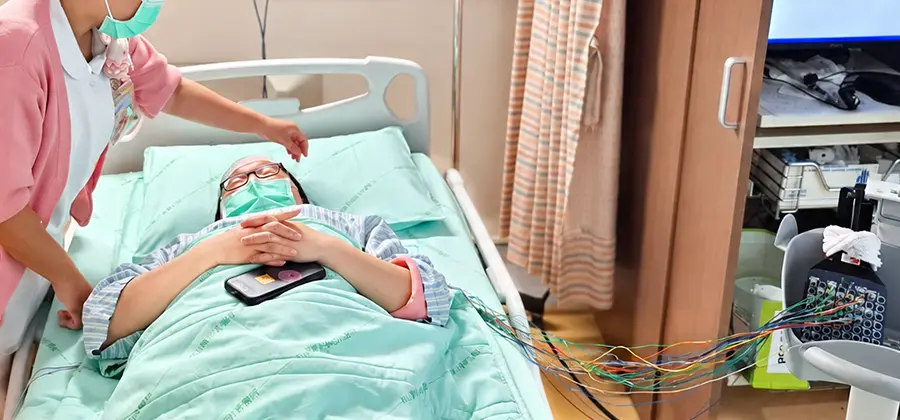
The care team is based on the "Comfort Theory - Relief, Ease, Transcendence" framework, which addresses the four dimensions of needs: physical, spiritual, social, and environmental. We offer a comprehensive care model for cancer patients and their families, covering the entire care process from admission to discharge, following the Five-W approach: Whole-person, Whole-family, Whole-team, Whole-course, and Whole-community care.In line with the palliative care concept of providing comfort for the body, mind, spirit, and society, we emphasize a patient-centered approach. This includes a streamlined green channel process for hospital admission, accelerating the seamless transition to collaborative care and home care procedures. With features such as mobile comfort nursing vehicles, comfort care QR codes, weekly coffee days, volunteers, and therapy dogs, we ensure patients receive immediate and continuous holistic comfort care.
Based on the "Comfort Theory" to address care needs across the physical, spiritual, social, and cultural/environmental dimensions.
Implement the "Five-W approach"(Whole-person, Whole-family, Whole-team, Whole-course, and Whole-community care).
Establish a "green channel process for hospital admission" to accelerate admission efficiency, ensuring a seamless transition to "Palliative Collaborative Care" and "Home Hospice Care" enrollment procedures.
Provide mobile comfort nursing vehicles, comfort care QR codes, and diverse complementary therapies.
After enrollment in Palliative Collaborative Care (inpatient and emergency), the percentage of patients who sign a Do Not Resuscitate (DNR) order is 91.8%
Coverage of Palliative Care for Inpatients before death: Cancer patients 85.0%, Non-cancer patients 46.8%
Average Monthly Service Utilization by full-time staff: Social workers 33.1 cases, Psychologists 71.6 cases, Chaplains 35.1 cases
The average number of days that patients received palliative care is 58.6 days
The difference in the end-of-life service indicator increased by more than 0.7
The evaluation score for end-of-life services is 4.4
The satisfaction rate for the memorial activities for the deceased reached 100%
Among patients receiving home hospice care, the unanticipated emergency admission rate is 0.6%
Home hospice care patients are able to choose their desired place of passing, with 100% of them passing away in their preferred location.
The in-home death rate for home hospice care is 59.3%
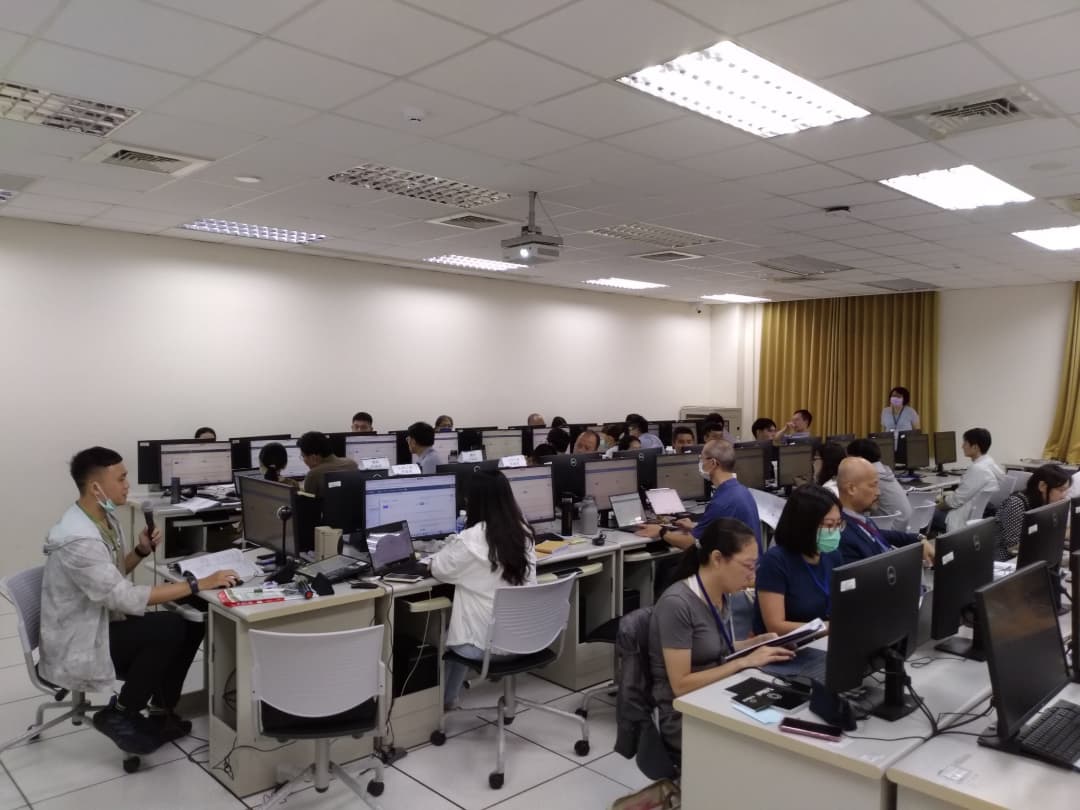
Hospital-wide palliative care training courses are held annually.
The Two-Year Nurse and Nursing Specialist Training Program includes palliative care.
The percentage of patients with a pain score of ≤3 at the time of discharge was 100%
The infection density in the palliative care ward was 0.91‰
Implemented the Smart Medication Cabinet (ADC), achieving a 52.5% reduction in medication waiting time.
The average patient satisfaction rate was 95.85%
Palliative Student Volunteer Program: The palliative student volunteer program operates as a student-led club at the hospital's palliative care ward. The volunteers learn about palliative care while providing service, continuously promoting life education and care activities. The program is unique and innovative, as it is driven by "student autonomy" to form a club and offer volunteer services, combining both educational and service elements.
Palliative Care Service Duration: The average duration of palliative care provided to patients at our hospital has increased from 51.6 days to 52.9 days. This is comparatively higher than in the UK and other Asian countries, and only slightly lower than Canada (68.88 days) and Egypt (66 days), reflecting our commitment to providing better quality of life for our patients.
Optimize Medical Efficiency and Quality of Care
Fulfill Patient Autonomy and Ensure a Peaceful End-of-Life
Provide Peace of Mind at Home and Reduce Caregiver Burden