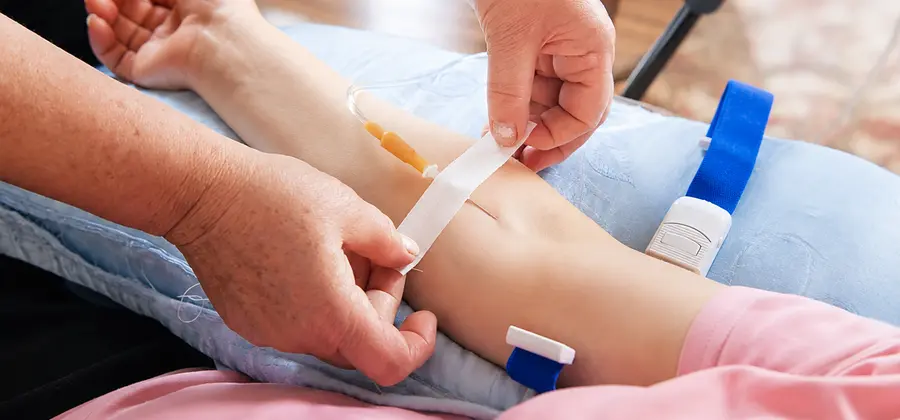
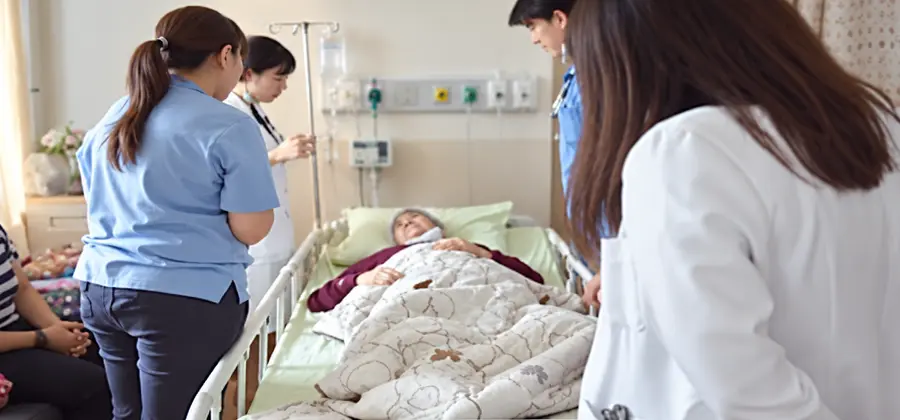
Patients with an anticipated requirement for intravenous therapy lasting at least two weeks and meeting appropriate clinical indications.
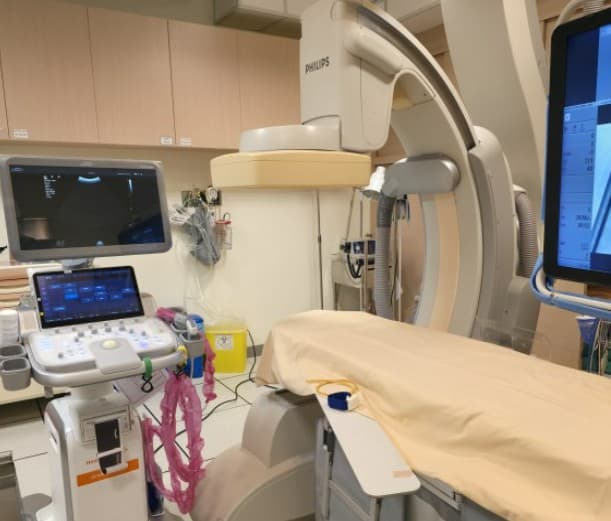
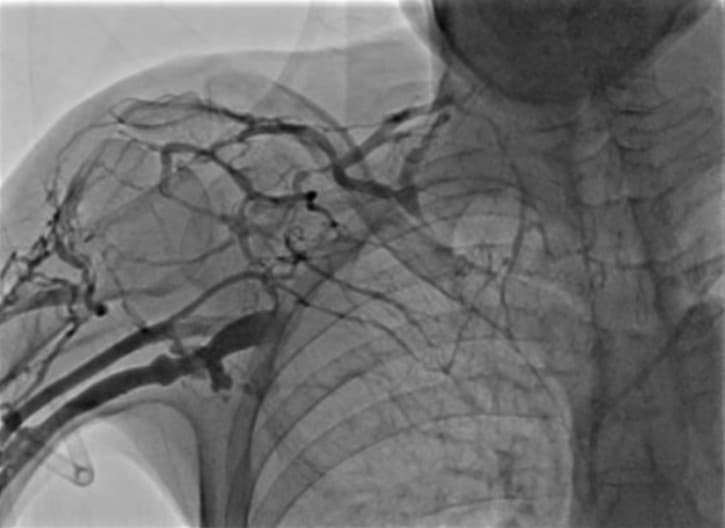
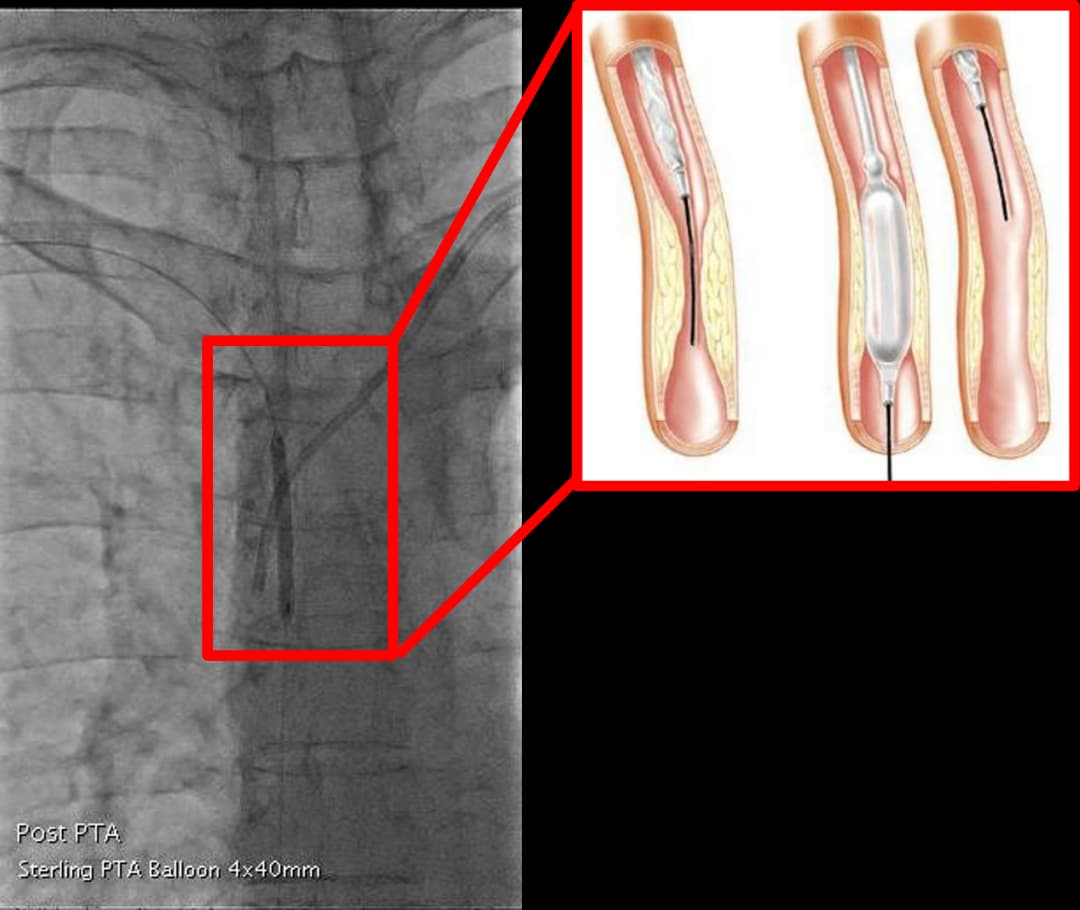
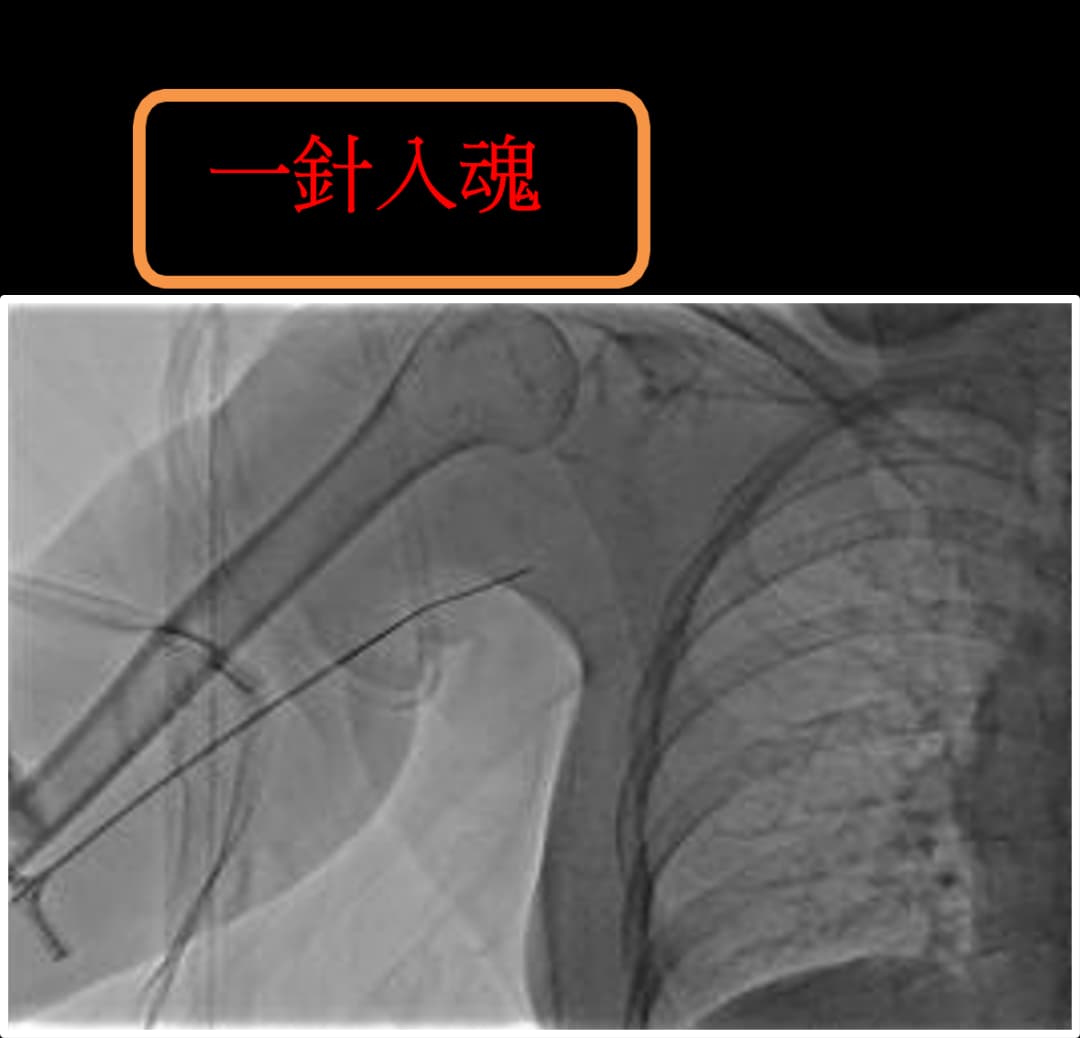
While Peripherally Inserted Central Catheters (PICCs) provide reliable vascular access and minimize venipuncture discomfort for bedridden patients or those requiring long-term irritant infusions, conventional bedside insertion in patients with small-caliber veins or complex anatomy often risks catheter malposition and delayed utilization due to repeated imaging requirements. To overcome these challenges, our Interventional Radiology unit integrates ultrasound guidance with real-time fluoroscopic imaging to perform highly precise placements. This approach combines ultrasound-guided basilic vein puncture with fluoroscopic navigation to ensure optimal catheter tip positioning at the cavoatrial junction, which promotes rapid medication dilution and minimizes vascular injury or extravasation risks. When necessary, contrast medium is administered to immediately confirm position and patency. By adhering to a "single puncture, one-station service" philosophy, our team consolidates access, positioning, and confirmation into a single setting, streamlining the workflow to reduce patient discomfort, lower infection risks, and enhance overall care quality and procedural efficiency.
Dual-image guidance utilizing ultrasound and fluoroscopic angiography
Immediate, real-time verification of PICC tip position to minimize malposition and enable prompt catheter use
Provision of accurate and efficient PICC placement for high-difficulty and complex clinical cases
Commitment to patient-centered care and precision medicine in interventional practice
A total of 656 PICC placements were performed between 2022 and June 2025.
Efficiency: average PICC placement time of 26.5 minutes
Accuracy: PICC tip positioning success rate of 100%
The complication rate was approximately 0.6%.
A 100% overall patient satisfaction rate was achieved.
The PICC placement approach combining ultrasound with fluoroscopic angiography allows for simultaneous puncture, positioning, and confirmation, significantly reducing procedure time while improving tip placement accuracy. The catheter is precisely positioned at the cavoatrial junction, effectively minimizing complications and the risk of extravasation, thereby enhancing patient safety and satisfaction. This method also optimizes workflow efficiency, demonstrating high safety and strong potential for broader clinical adoption.