Non-smoking high-risk lung cancer population (50-80)
Family history of lung cancer
Air pollution, secondhand smoke exposure
History of TB or COPD
Post-surgery early-stage (Stage I) lung cancer
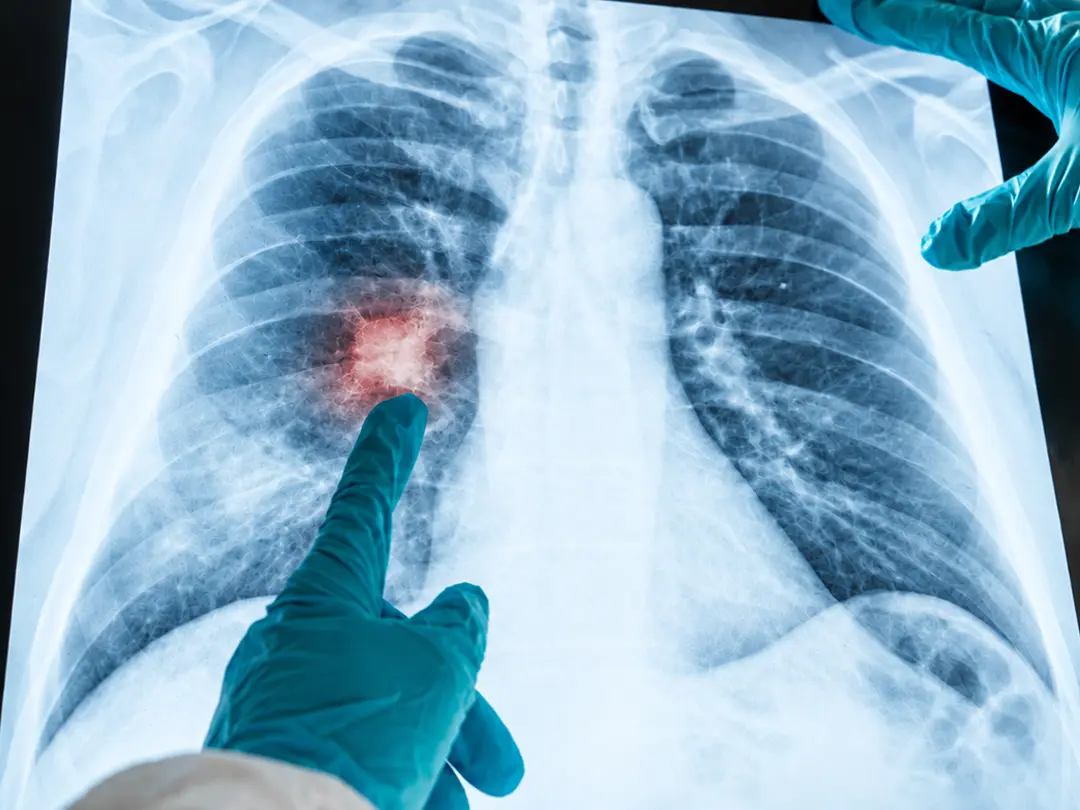
Led by Prof. Gee-Chen Chang, the Lung Cancer Diagnosis and Treatment Research Center at Chung Shan Medical University Hospital launched the FORMOSA Trial, a prospective multicenter study to develop a lung cancer risk prediction model for never-smokers. By integrating epidemiological data, air pollution exposure, biomarkers, and imaging characteristics, the study identifies high-risk individuals for precision screening to improve early detection and reduce lung cancer mortality. The model is being prospectively validated through collaboration with eight major medical centers across Taiwan. Our team was also the first in Taiwan to contribute lung cancer data to the National Health Data Alliance platform.
To date, the FORMOSA Trial has enrolled 2,439 participants and developed the FORMOSA Lung Cancer Risk Prediction Model for Taiwan’s never-smoking population, achieving a sensitivity of 90–96% and a negative predictive value of 98–99%.
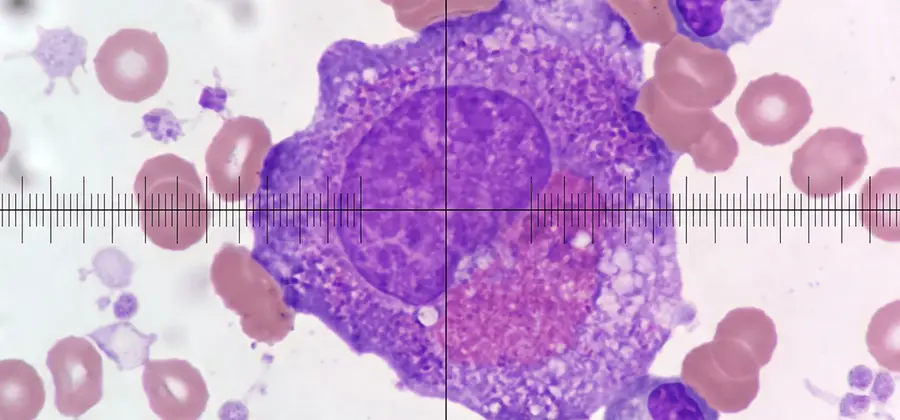
The Center also participates in the Taiwan Cancer Moonshot Program and collaborates with the U.S. Cancer Moonshot initiative. Using over 14,000 proteogenomic datasets, the team developed a four-marker ELISA panel for early recurrence prediction, supporting personalized treatment and improved patient outcomes.
Prospective enrollment of over 2,400 never-smokers in one of the world's most comprehensive lung cancer screening cohorts.
Taiwan's only prospective LDCT screening study integrating environmental exposures, multi-omics biomarkers, and AI radiomics.
Taiwan's first air pollution–integrated lung cancer risk prediction model for never-smokers.
LDCT detection rate of 2.54%, exceeding international benchmarks from NLST (0.65%) and NELSON (0.9%).
Taiwan's only prospective study on air pollution and lung cancer risk.
Novel ELISA-based blood test panel for early detection of lung cancer recurrence.
FORMOSA enrollment: 2,436 (target 3,127)
LDCT detection rate: 2.5% (NLST 0.65%, NELSON 0.9%)
2023 CSMUH lung cancer total cases: 871
Lung Cancer Moonshot: 14,000 proteogenomic entries
89 patient plasma samples, 35 candidate proteins validated
2024 TFDA LDTs certification achieved
AI-assisted image interpretation improved diagnostic sensitivity by approximately 39.3%
Development of a precision screening strategy through a multidimensional risk-scoring system
Particularly high screening yield among never-smoking women, individuals aged ≥60 years, and those with high air pollution exposure
Overall lung cancer detection rate of 2.50% (61/2,439) in the prospective cohort
LDCT radiation dose meets international standards
AI reduces missed diagnoses
High sensitivity avoids overtreatment
Multi-center IRB strict ethics review
High protein marker accuracy
International QA laboratory standards
Provides early screening for high-risk groups
Reduces unnecessary surgery and treatment
Improves post-op recurrence monitoring
Enhances early diagnosis and survival
Transparent evidence-based pathway
Cross-institutional collaboration enhances service
Cell 2020 (IF 64.5): East Asian non-smoking proteogenomics
JTO 2023 (IF 20.1, Editor's Choice): Family-history LDCT
Lancet Respir Med 2024 (TALENT trial) lead author
2023 IASLC cited our air pollution research
TW-US Cancer Moonshot 2.0 collaboration
Invited STC-D panelist
Provides evidence for national health policy
Drives AI imaging and precision medicine implementation
National Core Facility integrates 7 research units
Builds commercializable early recurrence prediction platform
Includes non-smokers in international lung cancer screening guidelines