Hospitalized and home-based patients requiring parenteral nutrition
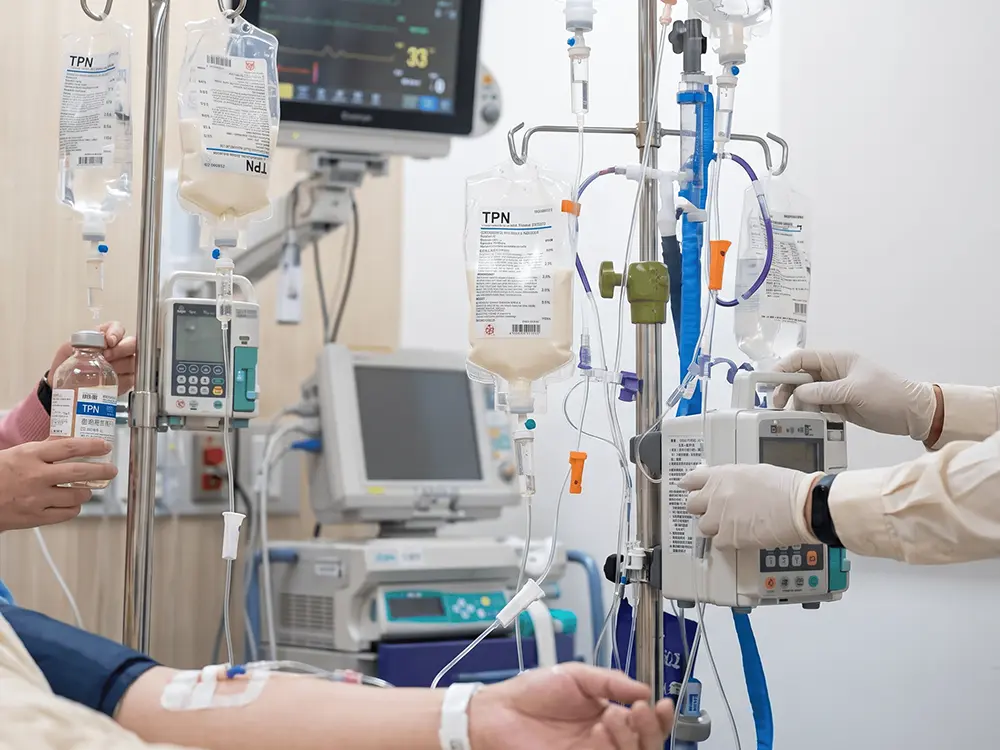
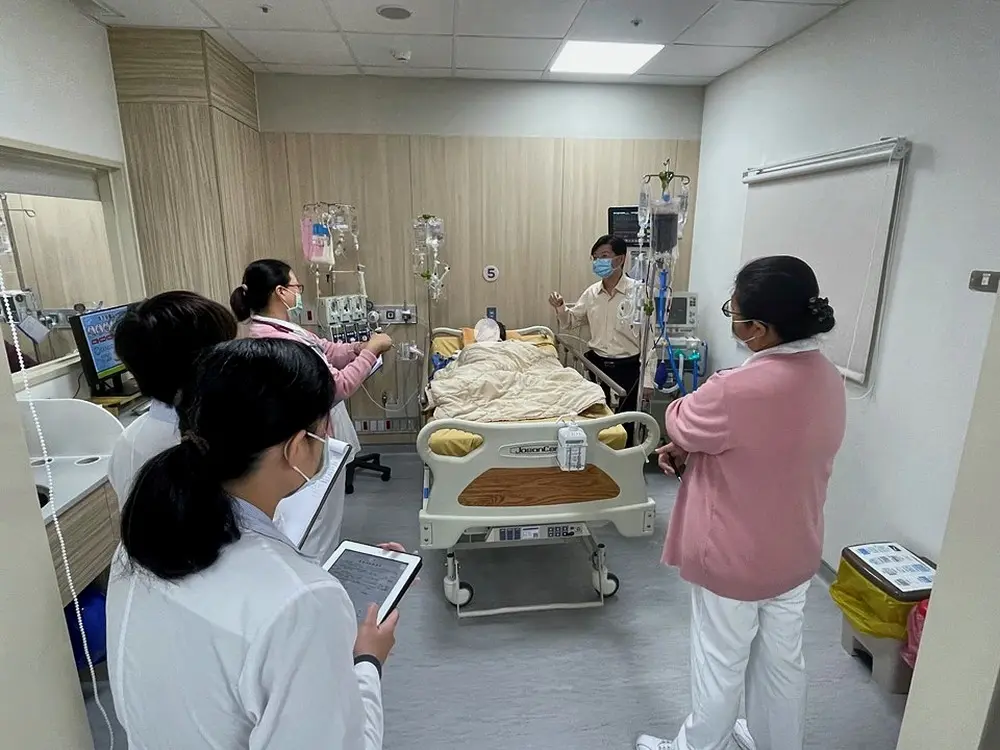
Established in 2004, the Kaohsiung Municipal Siaogang Hospital's nutrition support team comprises board-certified physicians, pharmacists, dietitians, and nurses. A dedicated case manager serves as a communication bridge, enhancing overall care quality. Besides implementing a closed-loop management system to ensure zero-error execution across inpatient parenteral nutrition (PN) prescribing, compounding, and administration, the team extends collaborative care based on patients’ nutritional needs and comorbidities. This multidisciplinary model has expanded to include palliative home care, chronic obstructive pulmonary disease (COPD), and nephrology co-management teams, providing comprehensive, personalized nutritional therapy. With joint team efforts, the hospital extended PN services to the home setting, initiating its first home parenteral nutrition (HPN) case in 2007. Standardized care protocols, nursing leaflets, and demonstration teaching tools have been developed to reduce caregiver burden and boost confidence, facilitating earlier discharge. This enables patients to return home sooner, improving their overall quality of life. By expanding PN services from inpatient to home care, the hospital has successfully established a model of precise, patient-centered nutritional care while maintaining the highest standards of medication safety.
Integrated multidisciplinary and cross-disciplinary healthcare teams
Established a cross-domain integrated closed-loop management model for parenteral nutrition
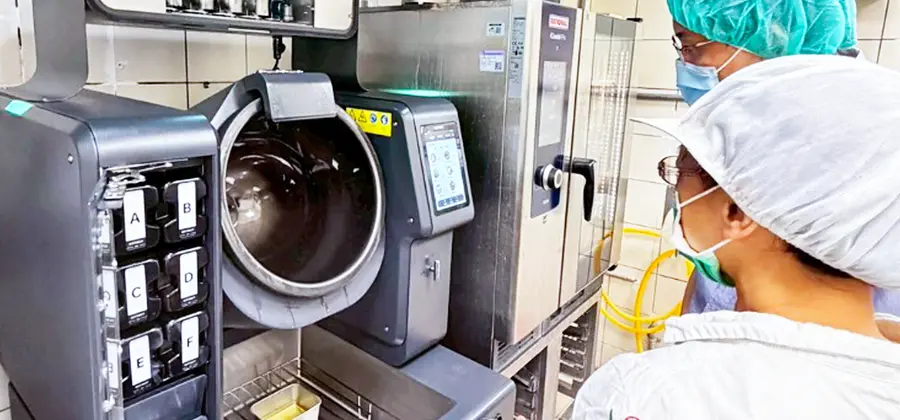
Constructed an international-standard aseptic compounding room and implemented automated equipment
Standardized IV nutrition prescriptions and a multidisciplinary assessment system have been established
A personalized barcode-based end-to-end monitoring system has been implemented to ensure closed-loop management
Patient-centered personalized total parenteral nutrition care plans spanning hospitalization through discharge and home recovery
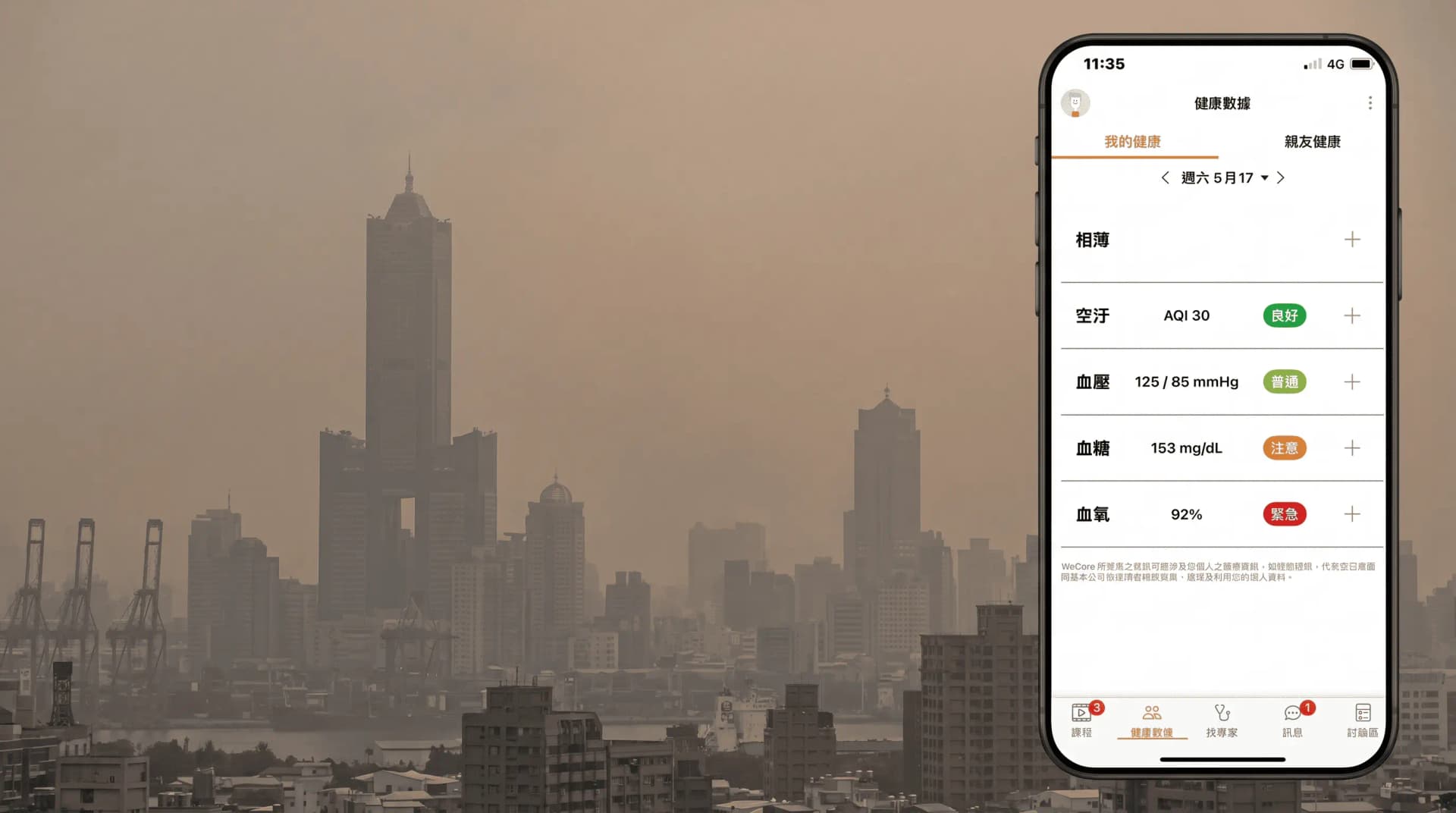
Application of smart technology—the Line@ real-time communication platform to enhances care responsiveness.
Completed 1,459 patient-days of Inpatient Parenteral Nutrition (IPN) care.
Completed 288 patient-days of Home Parenteral Nutrition (HPN) care.
Zero incidents of errors in intravenous nutrition prescriptions, dispensing, or administration.
Hospital-to-home transitions reduced hospital stays by 288 days, saving approximately NT$2,778,912 in National Health Insurance inpatient expenditures.
Implementation of a closed-loop parenteral nutrition workflow system and information system has significantly improved operational efficiency.
Prescription time was effectively reduced from an average of 159.2 seconds per order to 107 seconds (P<0.001).
Parenteral nutrition compounding products were delivered to nursing stations within 30 minutes with a 100% achievement rate.
Catheter-Associated Bloodstream Infection (CLABSI) Rate: Maintained at 0 per 1,000 catheter-days.
Quality Control of Ready-to-Use Parenteral Nutrition Formulations - Environmental microbial contamination, finished product bacterial counts, and pyrogen tests all showed “zero detection.”
Contamination Rate of PN Admixtures: Maintained at 0%.
Average patient satisfaction with our multidisciplinary team services reached an exceptional 99%.
Catheter-Associated Bloodstream Infection (CLABSI) Rate: Maintained at 0 per 1,000 catheter-days, significantly lower than the Taiwan national average of 0.82 per 1,000 catheter-days.
Contamination Rate of PN Admixtures: Maintained at 0%, outperforming the reported rate of 0.08% in Germany.
Parenteral Nutrition Prescription Error Rate: 0%, compared to the 0.66%–1.6% range reported in the United States.
Extending personalized parenteral nutrition medical services from inpatient to home settings, delivering precise holistic nutritional care and ensuring medication safety for patients.
Establishing a cross-domain integrated closed-loop management model for parenteral nutrition, featuring care guidance forms paired with educational tools and real-time interactive communication platforms. This reduces caregiver stress and boosts care confidence, thereby shortening hospital stays while lowering healthcare expenditures and resource burdens, ultimately enhancing patient quality of life.
Relevant experience has been shared with affiliated hospitals and presented at international conferences.