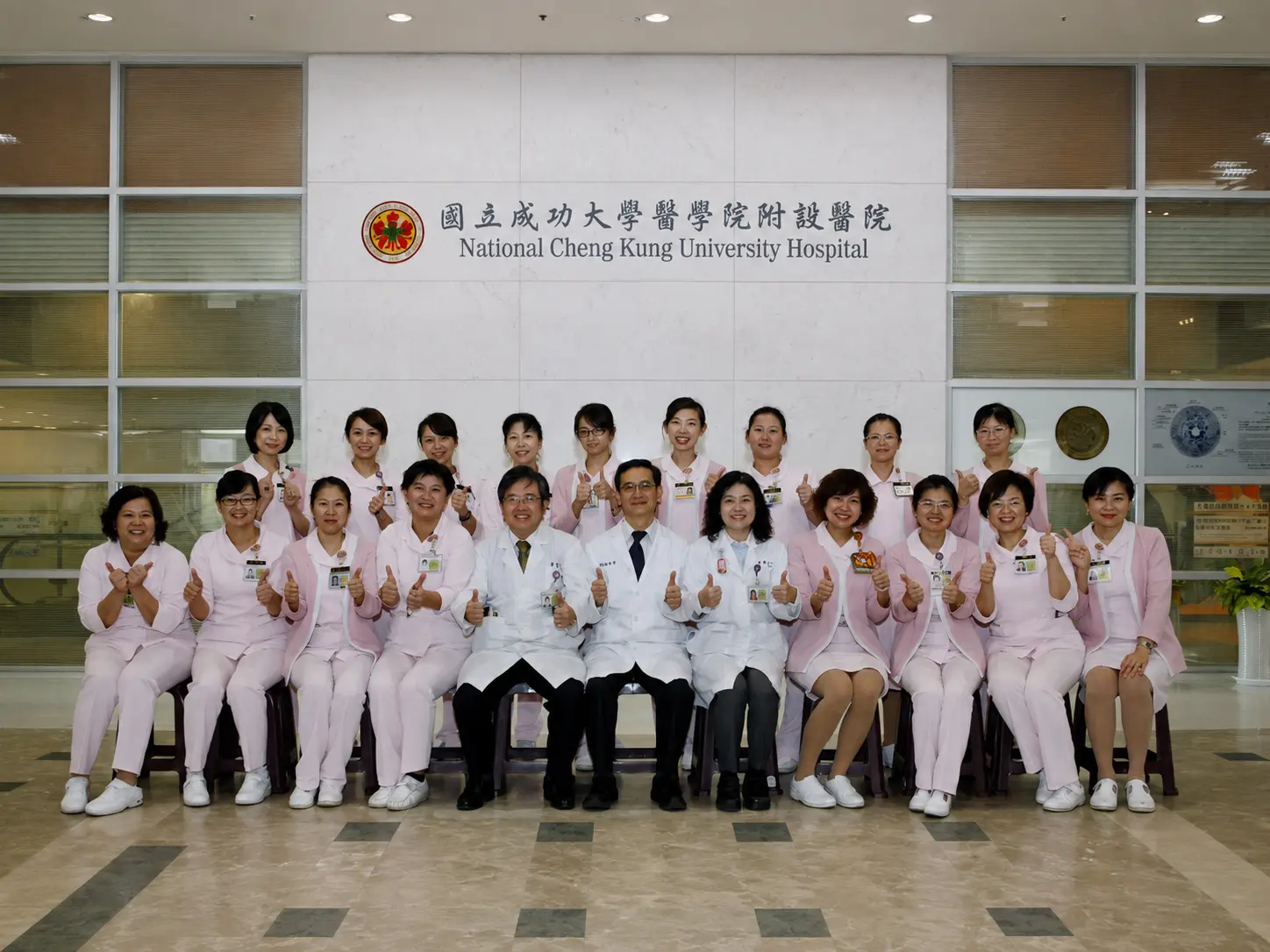
The 14 major cancer care teams include lung, esophageal, gynecologic, hematologic, upper GI, breast, endocrine, head and neck, genitourinary, liver, colorectal, pediatric, skin cancers, and sarcomas.
Cancer patients are often present with multiple complex medical problems. Oncology case managers provide: (1) Patient care: They assist patients in coping with their disease, stabilizing their health status, and improving quality of life; provide health education to strengthen self-management abilities; and assess care needs while offering psychosocial counseling to enhance treatment adherence. (2) System facilitation: They foster collaboration among healthcare professionals to ensure consistency and continuity of care and to effectively connect patients with social support resources. Through coordination and communication by oncology case managers, patients and their families develop trust in the healthcare team, which facilitates the delivery of care and enhances its effectiveness and continuity. Case managers also help patients understand their care plans, anticipate scheduled treatments and services, access appropriate resources and guidance, and receive coordinated care from the healthcare team, thereby improving satisfaction with medical care. In addition, the case management model supports the sustained implementation of quality improvement activities in cancer care, such as the development of consensus on diagnosis and treatment, multidisciplinary coordination and integration, monitoring and review of core cancer care indicators, and related quality improvement initiatives, thereby promoting the overall quality of cancer patient care.
Patient-Centered Comprehensive Continuum of Care Network: The scope of care is not restricted to the hospitalization period; rather, it spans across the entire clinical care process by seamlessly connecting outpatient, emergency, inpatient, and home care services.
Information System Monitoring: Case managers leverage information systems to proactively track patient dynamics, follow-up appointments, and treatment schedules. They closely monitor anomalies such as overdue visits or treatment interruptions, and actively provide individualized care through in-hospital visits and telephone follow-ups.
Clinical Pathways and Quality Improvement :Case managers coordinate with multi-disciplinary teams to develop dedicated care guidelines and clinical pathways (such as managing surgical criteria, medication, and length of hospital stay), and establish databases to regularly analyze relevant quality indicators.
Since its inception in 2005, this model has accumulated over 20 years of experience in oncology case management. From 2020 to 2025, NCKU Hospital achieved an outstanding management milestone with a consecutive five-year 0% patient loss-to-follow-up rate, continuously creating profound value across medical, patient, and nursing professional domains.
The number of newly diagnosed cancer patients and patients experiencing first recurrence in year 2025 was 6,256.
The number of newly diagnosed cancer patients who received treatment in our hospital in year 2025 was 5,318.
The Dropout rate has remained at 0% for five consecutive years.
Treatment retention for patients diagnosed in our hospital ranged from 88% to 99% ( across the 14 major cancer types)
Treatment completion rate up to 85% to 100%.
Key indicators related to improving the quality of cancer diagnosis and treatment: image staging, 98.2%; treatment plan completion rate, 99.1%; case discussion in multidisciplinary team meetings, 96.52%; treatment adherence rate, 99.5%.
The 14-cancer teams confirm the core measures of cancer care quality quarterly. There are 89/104 indicators higher than the average in medical center, achievement rate up to 85.57%.
We have 140 Stage-specific survival rate and there are 83 items exceed the medical center average.
Patient Satisfaction Survey score: Patient satisfaction with oncology case management was evaluated on a 1-to-5 scale, with an average satisfaction score of 4.2.
Medical team satisfaction: Satisfaction among members of the medical team with oncology case management was evaluated on a 1-to-5 scale, with an average satisfaction score of 4.2.
The program of 2026 Comprehensive Cancer Care Quality Improvement Project is accredited.
Accreditation Program on Cancer Care in 2025
Accreditation Program on Disease-Specific Care - [breast cancer, head& neck cancer]
A patient-centered, integrated cancer care model is implemented to provide patients with continuous care and sustained high-quality medical services.
Assist patients to cope with disease, stabilize their health status, and improve quality of life.
Provide health education and guidance to strengthen patients’ capacity for self-efficacy.
Assess Patients’ care needs and provide physical, psychological, and social counseling.
Enhance Patient adherence to treatment.
Collaboration among the healthcare team and established to ensure consistency and continuity of medical care.
Develop social support resources network.