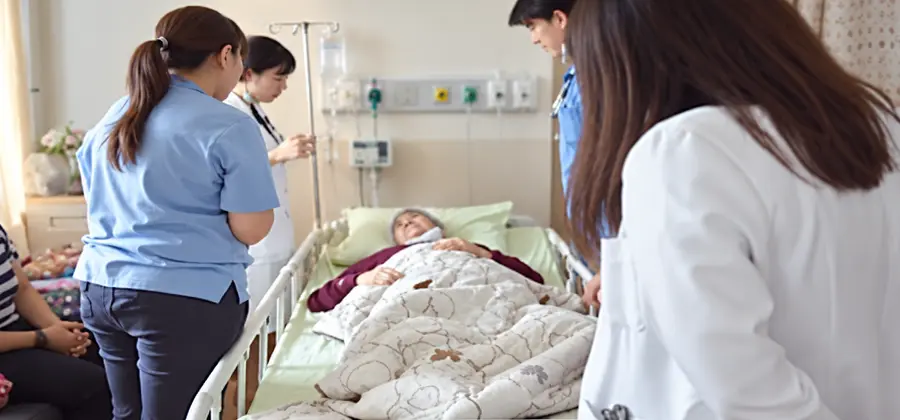
Older adults experiencing or suspected of abuse.
Partner agencies in the elder protection network.
Frontline professionals in elder protection services.
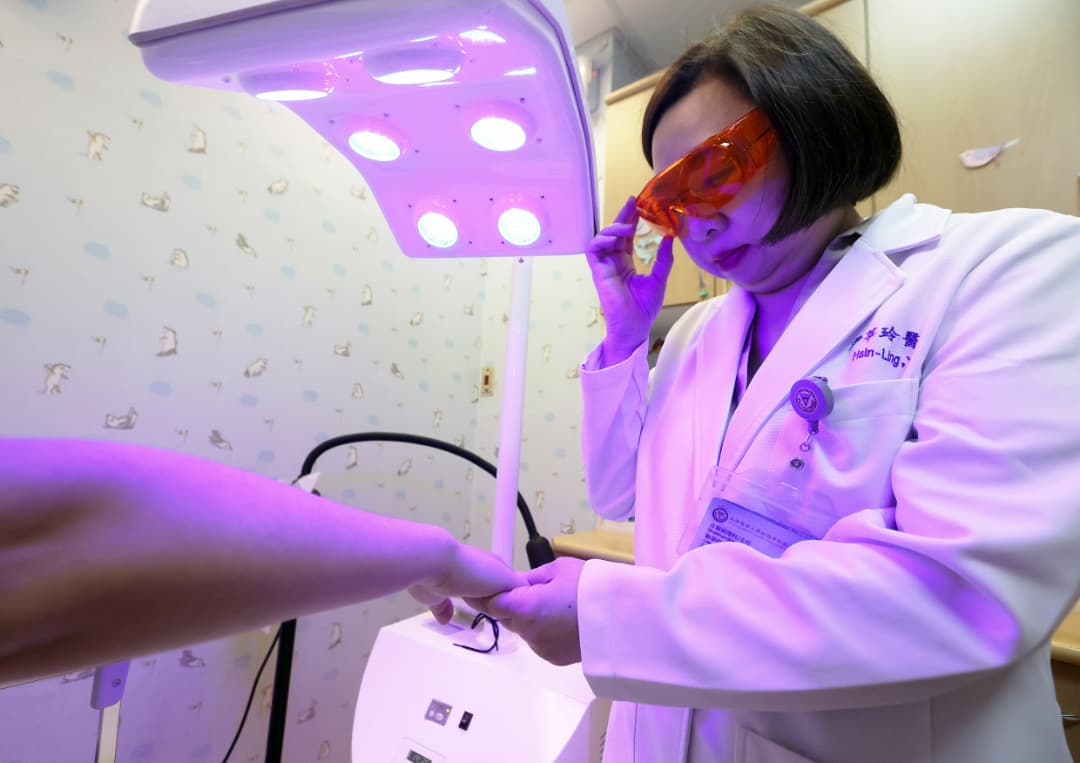
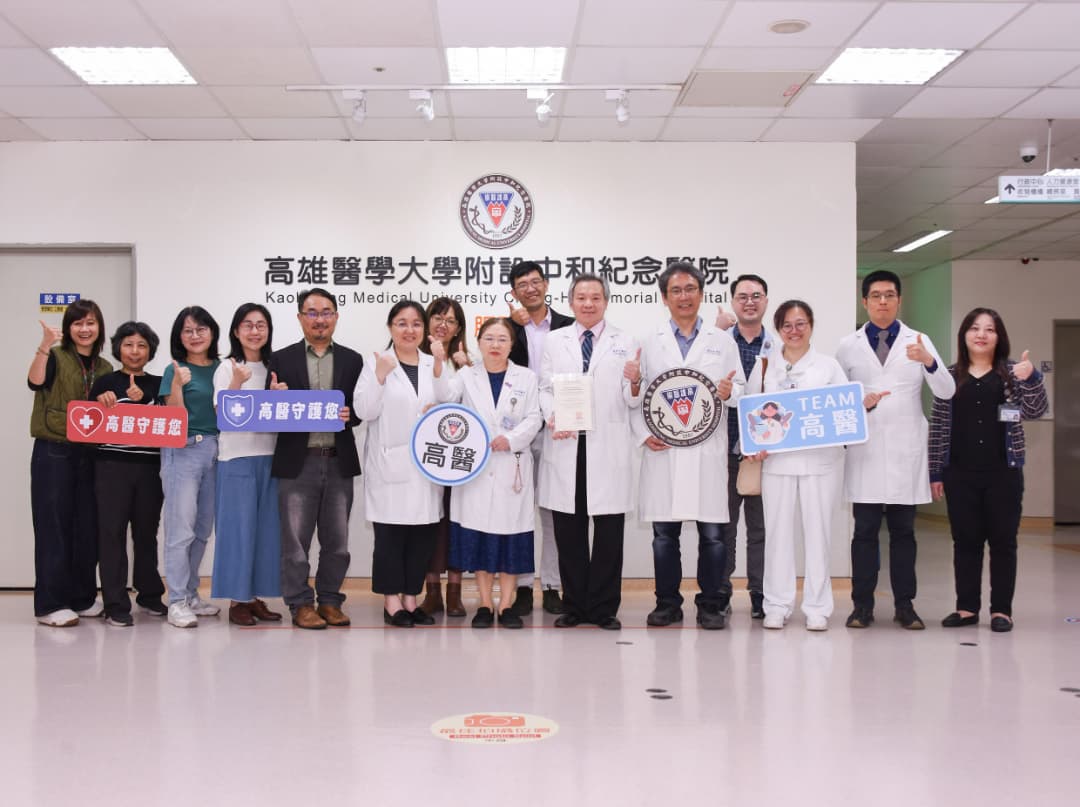
In 2020, Kaohsiung Medical University Chung-Ho Memorial Hospital established an “Elder Protection Team,” creating an integrated, interdisciplinary service model. This initiative links healthcare professionals, social welfare agencies, and related organizations to form a comprehensive protective healthcare network. Services include interdisciplinary consultations for injury assessment, outreach forensic examinations, and issuance of judicial appraisal reports. The program also extends to education, professional training, and the development of protective healthcare personnel.This model effectively addresses the diagnostic and cross-system needs of elder protection cases. It has received broad recognition, highlighting the healthcare sector’s commitment to safeguarding vulnerable older adults. The program exemplifies a responsible and professional approach to elder care and stands as a model of integrated medical service in an aging society.
Pioneered a nationwide interdisciplinary integrated service for elder protection, incorporating cross-network collaboration among medical, social welfare, and judicial sectors.
Established standardized cross-network medical injury assessment and documentation workflows for elder protection.
Developed elder protection advocacy and training models with nationwide scalability and applicability.
More than 10 referral-based medical injury assessment services for elder protection cases have been provided cumulatively.
Conducted over 40 cross-network education and professional outreach sessions.
Over 30 participants were engaged in forensic medicine training and educational courses.
Achieved a 100% execution rate for medical injury assessment services referred by social welfare agencies.
Attained a 100% participation rate from relevant agencies in cross-network meetings for major elder abuse cases.
Medical injury assessment procedures were conducted in full compliance with standard operating protocols, with no major patient safety incidents reported.
Risk prevention and safety mechanisms were systematically implemented, with no safety-related incident reports.
Training programs received a 93% “very satisfied” rating in satisfaction surveys.
The social welfare agencies presented certificates of appreciation in recognition of the effectiveness of the collaborative efforts.
Established a comprehensive and replicable medical injury assessment process for elder protection, enhancing timely care quality for high-risk cases.
Strengthened cross-system collaboration and resource integration among medical, social welfare, and judicial sectors.
Developed a demonstrative interdisciplinary service model with reference value for nationwide dissemination.