The hospitalized osteoporotic hip fracture patients, especially those with multi-comorbidities.
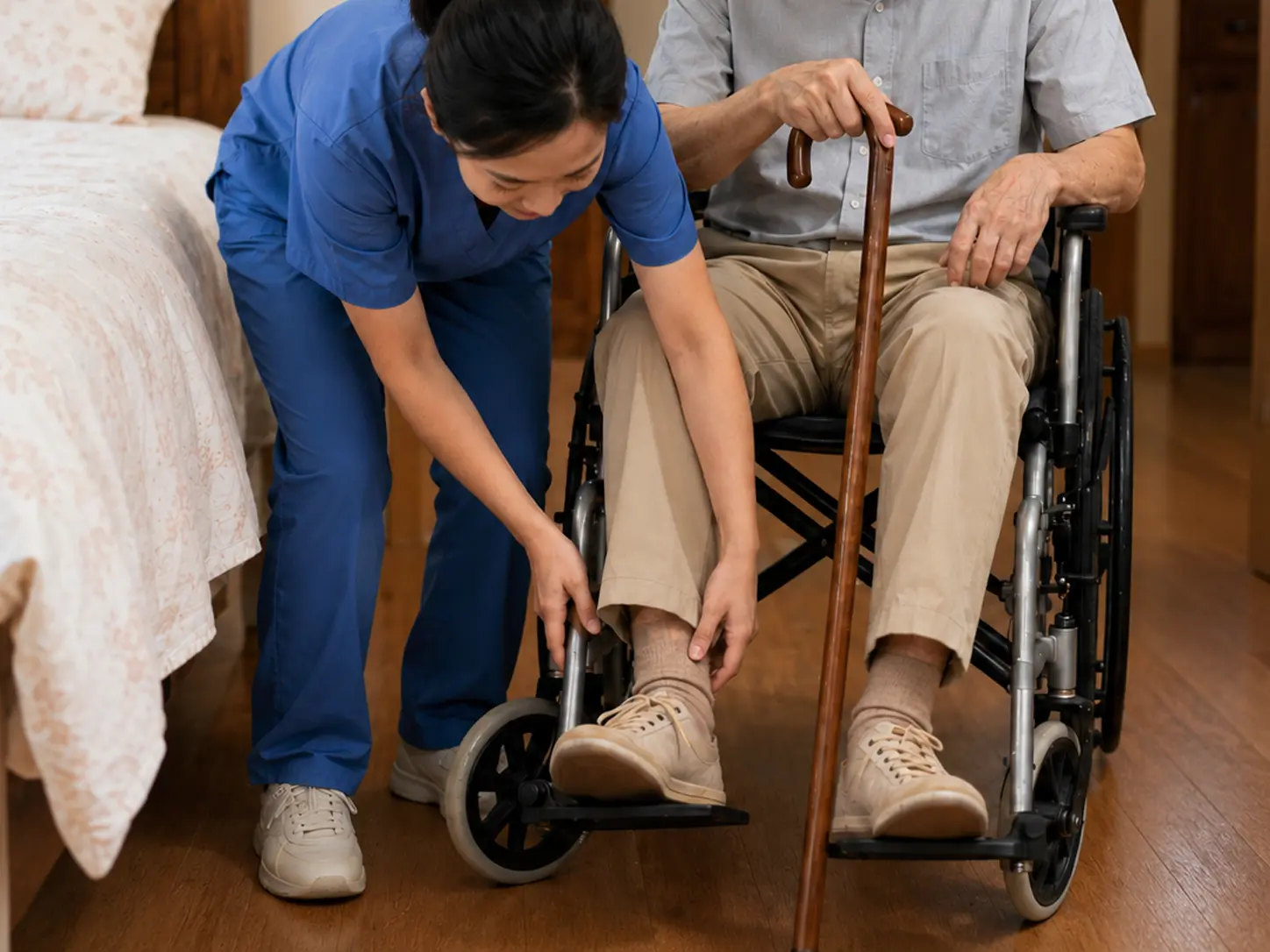
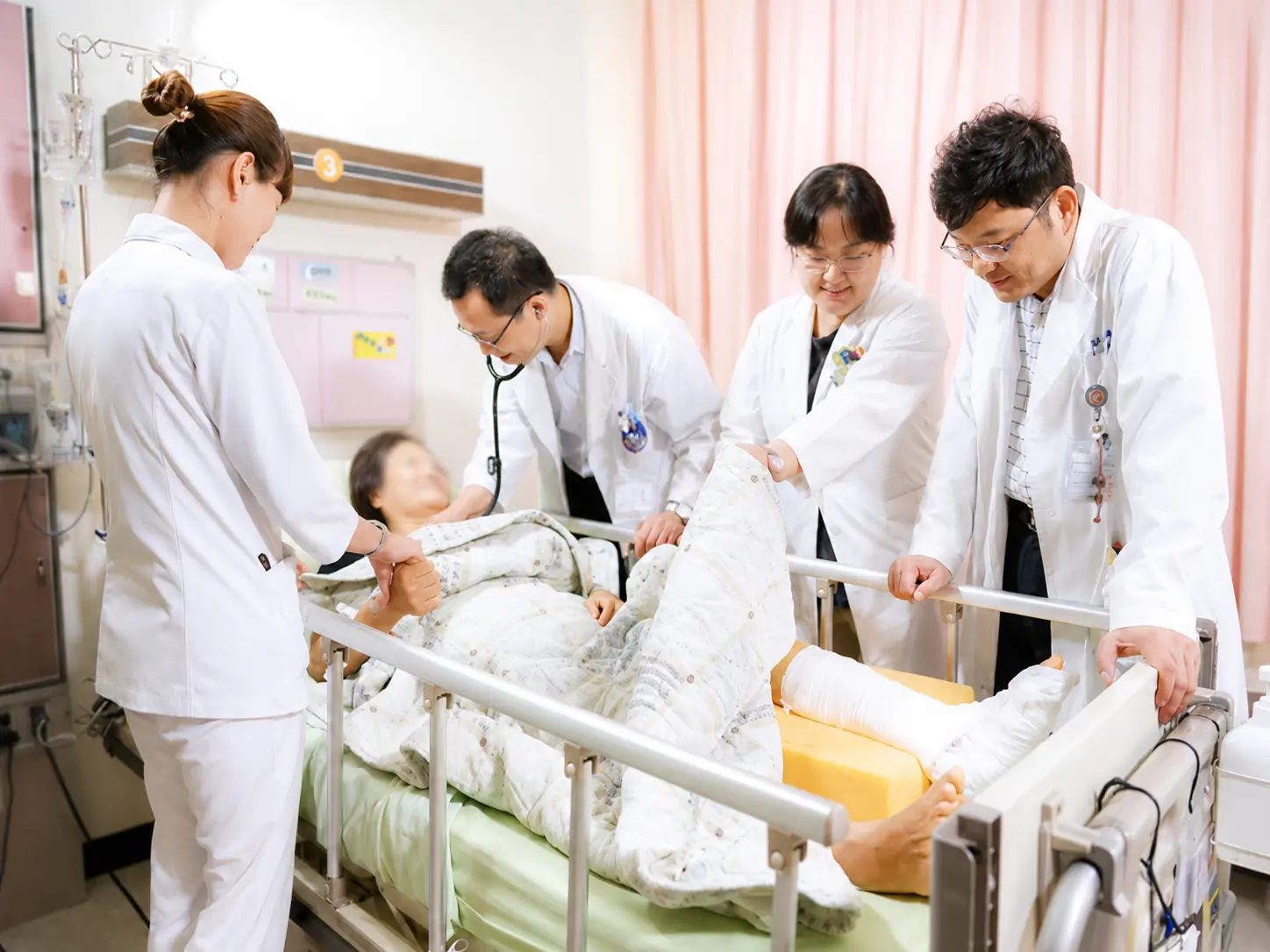
The integrated geriatric-orthopedic care team consists of physicians, nurse practitioners, case managers, dietitians, pharmacists, physical therapists, occupational therapists, psychologists, and social workers to meet the needs of aged patients in all aspects. We provide integrated medical care based on a comprehensive geriatric assessment of the patients. So that those patients with osteoporotic hip fracture who are unable to undergo surgery due to the complexity and severity of their medical condition can be treated early enough to undergo anesthesia and surgery. Besides, the patients with complex medical conditions that would have prolonged postoperative bed rest under traditional care can receive adequate rehabilitation training at an early stage. This care model dramatically reduced the one-year mortality rate for aged hip fracture patients. We also link post-acute care service, environmental improvement services and community health resources to patients, allowing aged patients to regain better functionality in their lives as a result.
We provide comprehensive assessment and management of complex comorbidities. We incorporate the fracture liaison service (FLS) program in the clinical practice and aggressively transfer patients to post-acute care and community resources. We integrate healthcare resources and change existing care processes. In addition to reducing mortality, maximizing the patients’ daily function is a key achievement of this care model.
From 2015 to the end of May 2024, 2,254 hip fracture patients have been cared for under the co-care model in our hospital, with an average one-year mortality rate of 3.8%.
The number of aged hip fracture patients under the co-care model exceeded 200 per year. The number of patients cared for in the past four years were 241, 272, 260, and 268 per year, respectively.
In 2015, we established the first dedicated orthogeriatric co-care ward in Taiwan. One year after that (May 2016), our hospital received the World Osteoporosis Foundation's Gold Medal for “Capture the Fractures” the Fracture Liaison Service from the World Osteoporosis Foundation (IOF), which was the first four hospitals in Asia to receive the accreditation.
Before the care plan, the annual mortality rate of aged hip fracture patients in our hospital was about 14%. With the integration of medical resources and the adjustment of the care process, we successfully reduced the one-year mortality rate of hip fracture patients to less than 5%. This is far better than the reported data in Taiwan and the world. (According to the health insurance database in Taiwan, the one-year mortality rate is 11-18%. There was a report of up to 36% in countries overseas.)
In 2022, all the patients (100%) have stable and even improved functional status in daily activity at discharge. From 2023 to May 2024, 86% of our patients transferred to post-acute care had even better daily activity function than when they were discharged.
No patient safety events were caused by hip fractures.
Patient satisfaction measurement conducted (see presentation page 22)
In 2016, our orthogeriatric care team won the Gold Medal for “Capture the Fractures” by fracture liaison service from the World Osteoporosis Foundation (IOF). It's the first four in Asia that get certified.
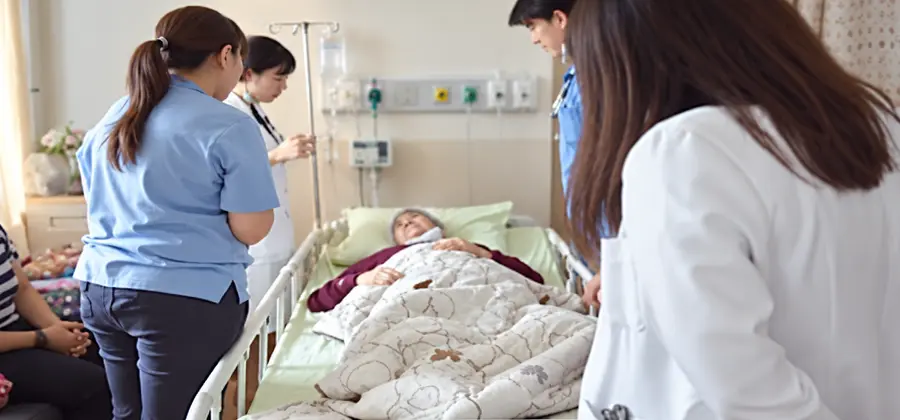
weekly team meetings are held in the Geriatric Medicine Ward to discuss the care of complex patients and to develop the integrated care plan with the team members.
In addition to training nursing staff in the different wards (orthopedic ward and geriatric medicine ward), we provide continuing education courses for relevant staff through E-learning to update members' knowledge.
We conduct a monthly review of medical safety indicators, including prolonged hospitalizations, post-acute care referral statuses, mortality rates, and infection rates. During the meeting, we also formulate various medical improvement plans.
Our examination equipment and rehabilitation training equipment are non-invasive, relatively safe, and are regularly maintained and repaired.