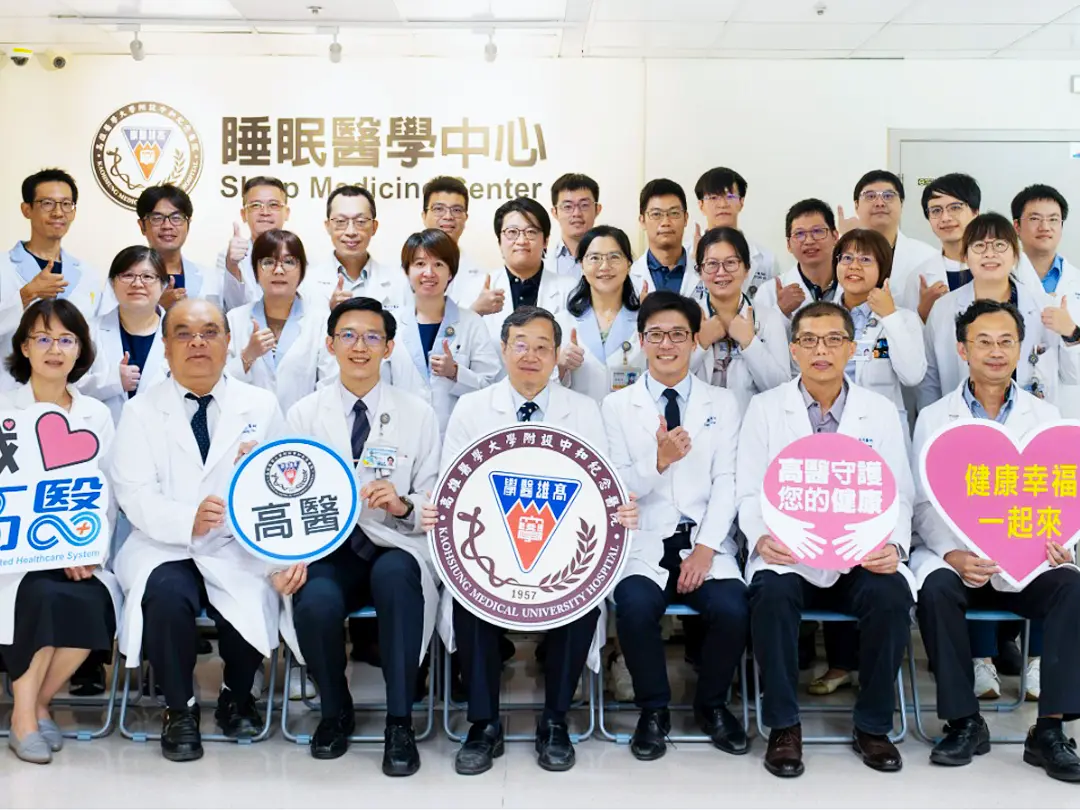
KMU Sleep Medicine Center is a major referral center in southern Taiwan, specializing in neurological sleep disorders, epilepsy, movement disorders, daytime sleepiness, and abnormal sleep behaviors.
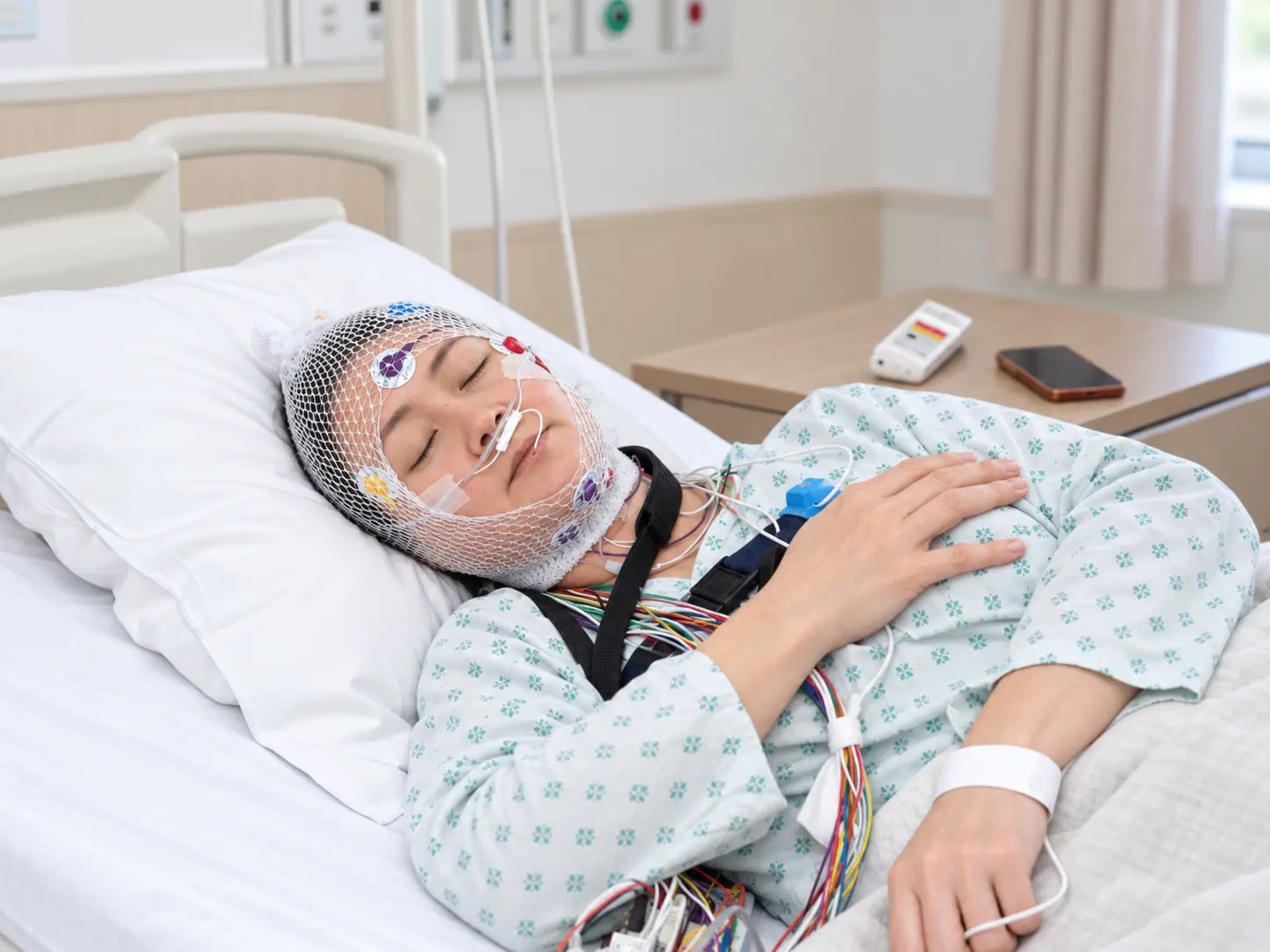
The Sleep Medicine Center at KMUH was established in 2004 (Republic of China Year 93) and became the first professional sleep institution in southern Taiwan certified by the Taiwan Society of Sleep Medicine in 2009 (Republic of China Year 98). It provides objective and accurate sleep-related examinations and interpretations to assist sleep specialists in diagnosing and treating sleep disorders. It is the only sleep medicine center in the country capable of handling "sudden-onset sleep disorders," including non-rapid eye movement (NREM) sleep disorders (especially arousal disorders), rapid eye movement (REM) sleep disorders (especially REM sleep behavior disorders), sleep-related epilepsy, and sleep-related movement disorders. The center is also the only institution in the country capable of conducting comprehensive polysomnography and continuous electroencephalogram (EEG) recordings simultaneously. Furthermore, it is the sole center specializing in the diagnosis and treatment of "paroxysmal sleep disorders," making it a leader among sleep medicine centers nationwide.
"Paroxysmal sleep disorders" include parasomnia, sleep-related epilepsy, and sleep-related movement disorders, which are clinically challenging to differentiate. The KMUH Sleep Medicine Center is built on a foundation of basic and clinical research teams specializing in sleep neuroscience. It integrates a small animal sleep laboratory as part of an interdisciplinary translational medicine team across institutions and fields. The center leverages artificial intelligence and industry-academic collaboration, forming a highly professional interdisciplinary sleep medicine team. The center has received numerous accolades for its work in neurological sleep disorders, including the Symbol of National Quality (SNQ), the National Healthcare Quality Award (NHQA) in the smart healthcare category, and the National Innovation Award. In recent years, its published research papers have been recognized as leading contributions among medical centers and sleep centers nationwide. These include advancements in developing sleep physiology algorithms, obtaining related patent certifications, and earning recognition as a global leader in the field.
Polysomnography(PSG)and multiple sleep latency test(MSLT):828 cased/year;
Video electroencephalography(VEEG):96 cased/year"
In Taiwan, obstructive sleep apnea (OSA) accounts for over 80% of cases in sleep centers. However, at the KMUH Sleep Medicine Center, which is led by the neurology team, OSA accounts for approximately 45% of cases, while neurological sleep disorders account for about 55%, the highest proportion in the nation. The KMUH Neurology and Sleep Medicine Center ranks first nationwide in the diagnosis and treatment of paroxysmal sleep disorders, including parasomnia, sleep-related epilepsy, and sleep-related movement disorders, as well as in conducting simultaneous full-night polysomnography (PSG) and video electroencephalogram (EEG) recordings.
Globally, there are few sleep centers across the world led by neurology teams that also have a high proportion of neurological sleep disorders in their patient base. These include institutions such as Columbia University and the University of North Carolina in the United States, Sungkyunkwan University in South Korea, and the KMUH Sleep Medicine Team in Taiwan. However, only the KMUH team focuses on analyzing the sleep structure of epilepsy patients. Over the past three years, the team has maintained an average of one publication per quarter in top international journals in sleep medicine, including SLEEP, Sleep Medicine Reviews, Sleep Medicine, and the Journal of Sleep Research, placing it among the world’s high-ranking list in the field."
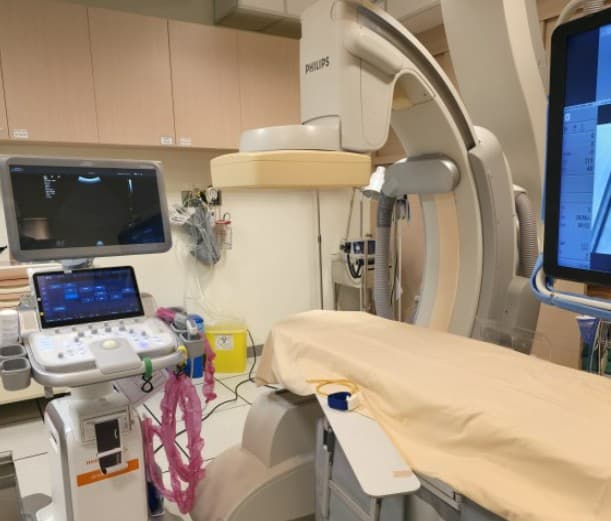
Our center emphasizes sleep medicine quality and patient safety through a multidisciplinary sleep disorders team and standardized clinical pathways. During polysomnography (PSG), video electroencephalography combined with sleep studies (vEEG), and related procedures, pre-examination risk assessment and overnight monitoring are implemented to reduce risks related to falls, seizures, respiratory abnormalities, and equipment incidents. Stratified care and rapid response mechanisms are provided for high-risk patients to enhance diagnostic safety and care quality.
To improve care quality and ensure timely treatment, our center established a “Quality Monitoring Indicator – Examination Cancellation Rate” to monitor sleep examination services. In recent years, the cancellation rate has steadily declined, reflecting effective quality control and workflow improvement. Since 2019, the threshold has been lowered from 5% to 4% to strengthen quality improvement. Sleep hygiene education and pre-examination telephone counseling by sleep technologists have improved patient understanding and compliance, reducing cancellations and delays in care.
For risk management, our center conducts regular equipment calibration, staff training, overnight examination audits, and abnormal event reporting. Major patient safety events related to sleep examinations remain rare, while falls, major equipment failures, and severe adverse medical events have remained at zero major incidents.
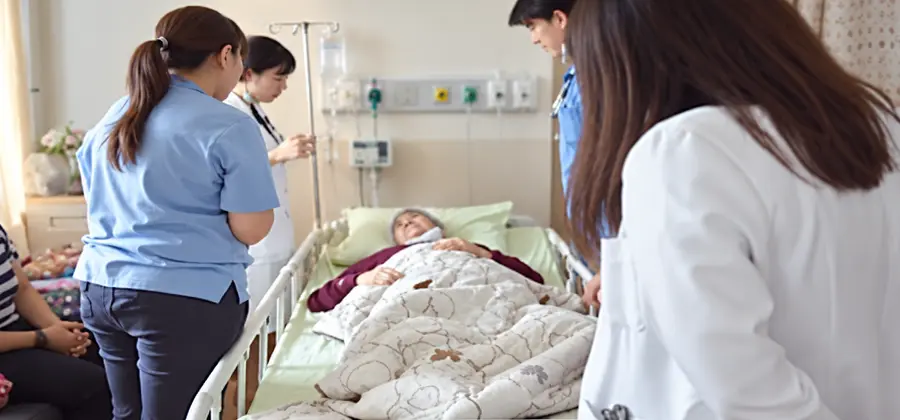
Our center adopts a patient-centered care model and promotes strong physician–patient relationships through multidisciplinary sleep medicine services to enhance patients’ trust, acceptance, and long-term follow-up. Through comprehensive evaluation and individualized treatment, our team improves patients’ understanding of sleep disorders and related comorbidities, increasing follow-up attendance, examination completion, and diagnostic accuracy.
Our center integrates specialists from neurology, pulmonology, otolaryngology, psychiatry, dentistry, traditional Chinese medicine, and rehabilitation medicine. Sleep technologists provide pre-examination education and telephone follow-up to reduce anxiety regarding sleep examinations, improve treatment adherence, and strengthen long-term follow-up compliance.
Sleep specialists in the Sleep Disorders Specialty Clinic have ranked among the top five physicians in patient volume within the Department of Neurology for over five consecutive years, reflecting strong patient trust in the center’s expertise and quality of care. Since its establishment, the center has provided sleep examinations and treatment to over 20,000 patient visits while maintaining stable service capacity, demonstrating favorable patient satisfaction, retention, and word-of-mouth referrals.
The Sleep Medicine Center of Kaohsiung Medical University (KMU) integrates the KMU Small Animal Sleep Laboratory into a multidisciplinary translational medicine team across universities and hospitals. A major clinical and research strength of the center is the investigation of interactions among sleep architecture, refractory epilepsy, and antiseizure medications (ASMs). Over the past three years, the team has published more than 10 SCI-indexed papers in this field, establishing national leadership and strong international recognition in epilepsy and sleep research. By October 2025, five publications produced within four years had received over 75 citations.
From 2021 to 2024, the KMU Sleep Medicine team published five SCI original articles on sleep architecture, refractory epilepsy, and ASMs, representing the highest publication output in Asia with strong journal impact and Q1 rankings. Publications from the center were cited at the 2022 European Epilepsy Congress and incorporated into the 2024 Epilepsy Clinical Practice Guidelines, 7th Edition of the Taiwan Epilepsy Society.
In 2023, two team physicians received the “Outstanding Epilepsy Research Award” and “Epilepsy Research Paper Award” from the Taiwan Epilepsy Society. Team physicians were also invited to speak at international conferences, including AOCCN 2025 and World Sleep 2025, demonstrating the center’s international academic impact.
The KMU Sleep Medicine Center has established a patient-centered, multidisciplinary care model, improving healthcare accessibility and quality for patients with complex and neurological sleep disorders in southern Taiwan. Specialists from neurology, pulmonology, otolaryngology, psychiatry, and rehabilitation medicine provide systematic sleep evaluation, diagnosis, and treatment, improving diagnostic accuracy, follow-up, and patient safety.
The center is a national leader in neurological sleep disorders, refractory epilepsy, and antiseizure medication interactions. Research findings were incorporated into the 2024 Epilepsy Clinical Practice Guidelines, 7th Edition of the Taiwan Epilepsy Society, contributing to clinical standards and precision care. The team also conducts translational research through the Small Animal Sleep Laboratory, transforming clinical challenges into research and advancing clinical applications.
In addition, the center promotes cross-university and cross-hospital collaboration and international academic exchange. Research has been published in international journals and presented at World Sleep and the Asian-Oceania Congress of Clinical Neurophysiology (AOCCN), enhancing the global visibility and academic impact of Taiwan’s sleep medicine and epilepsy research. Through integrated care, continuous improvement, and multidisciplinary collaboration, the center has established a sustainable sleep medicine system integrating clinical care and research.