Critically ill patients with multiple organ injuries and hemodynamic instability
Complex trauma and critical care patients referred from the regional medical network
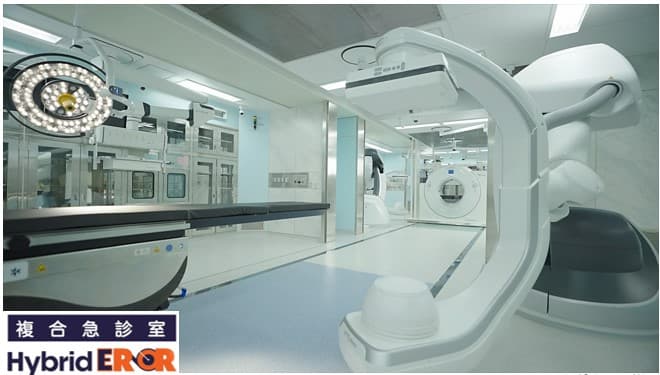
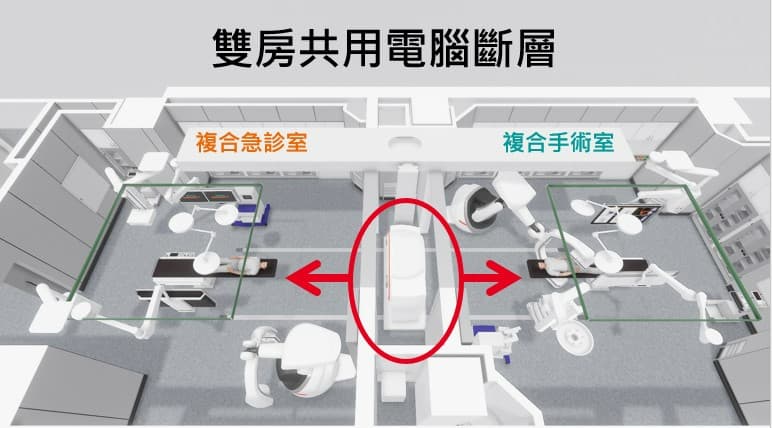
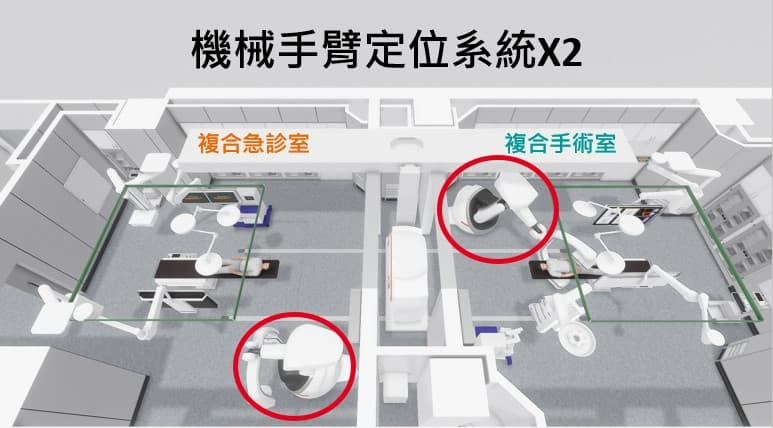
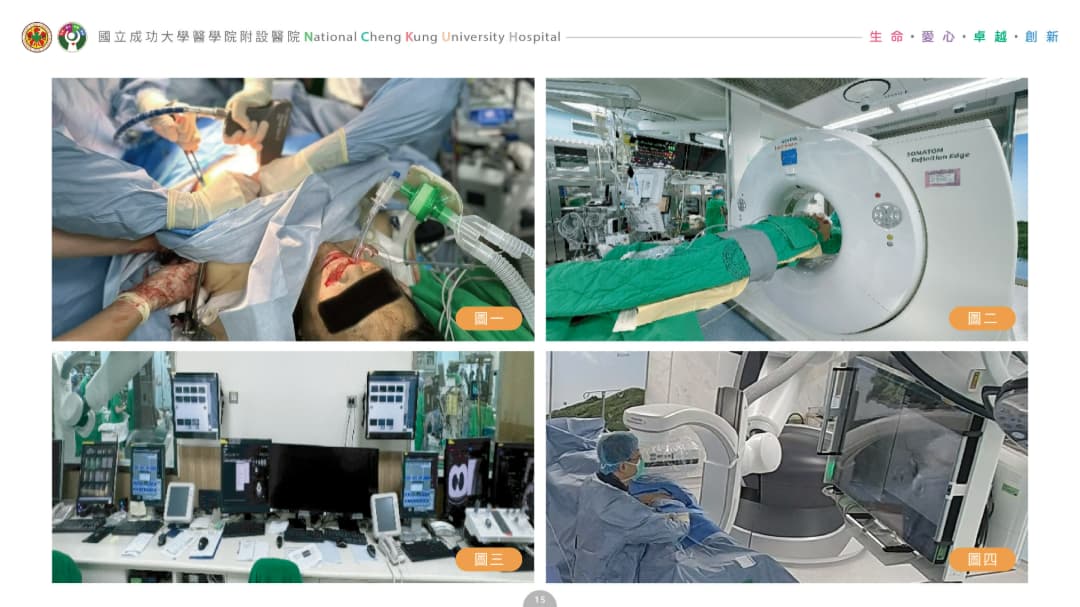
The Department of Trauma at National Cheng Kung University Hospital has established the Taiwan's first 'Double Hybrid' One-Stop Diagnosis and Treatment Center. By integrating a hybrid emergency room with a hybrid operating room—sharing a sliding CT scanner and two floor-mounted robotic C-arm systems (ARTIS pheno)—the facility achieves a seamless integration of diagnosis, angio-embolization, and surgical intervention together.
Key Technologies: We established Taiwan's first "Double Hybrid" One-Stop Center, featuring a shared sliding CT and floor-mounted robotic C-arms. The system further integrates DynaCT and Augmented Reality (AR) technologies to enhance procedural precision.
Key Highlights: Double Hybrid achieves seamless medical integration, allowing for immediate diagnosis, angio-embolization, and emergent surgery without patient transfer. This workflow significantly optimizes efficiency during the trauma "Golden Hour."
Innovative Practices: We implemented an "Island-Hopping" rapid referral strategy, a cloud-based activation system, and a Massive Transfusion Protocol (MTP) monitored by blood temperature indicators. These innovations collectively contribute to effectively improved patient survival rates.
Trauma Clinical Data (Jan 2024 – May 2025): Total Admissions 32 patients; Mean ISS 32; Overall Survival Rate 65.6%
Surgical Volume & Utilization (Jan 2024 – Jun 2025): Open to all surgical sub-specialties; Total Procedures 703 cases; Total Operating Hours 2,761 hours; Quarterly Average 624 cases
Clinical Treatment Outcomes: Overall survival rate for major trauma patients 65.6%; Survival rate for emergent surgical cases 60%; Survival rate for regional network referrals 72%; Postoperative complication rate 0%; Pulmonary nodule localization surgeries >160 cases
Timeliness & Efficiency: Time from emergent surgery alert to arrival 10 min; Average ICU CT scan duration 26 min; 30-min arrival rate for emergent thoracoabdominal surgery 100%
Quality & Technology Application: Among 32 trauma patients, the utilization rate of intraoperative CT was 37.5%, and the rate of angiographic intervention was 34.3%.
Patient Satisfaction: Patient and family recommendation rate 95%
Quality and Patient Safety Indicators: Overall survival rate for major trauma patients 65.6%; Survival rate for emergent surgical patients (Priority 1) 60%; Survival rate for regional network referrals 72%; Postoperative complication rate in survivors 0%; 100% of physicians hold ATLS and Radiation Safety certifications; Implementation of blood product temperature monitoring indicators and review protocols.
QC Outcomes and Efficiency: Rate of emergent thoracoabdominal surgeries entering OR within 30 min 100%; Trauma surgeon arrival at ED within 10 min 98.6%; Physician arrival at ED within 30 min 100%; Time from emergent surgery order to Trauma Center arrival 10 min; Average turnaround time for ICU CT scans 26 min
Application Efficacy and Satisfaction: Among 32 trauma patients, the utilization rate of intraoperative CT was 37.5%, and the rate of angiographic intervention was 34.3%; Patient and family willingness to recommend 95%
95% patient and family willingness to recommend
International Conference: Dr. Yi-Ting Yan, Director of the Department of Trauma, presented the design, implementation, and clinical experience regarding the "Double Hybrid" system of NCKUH at 2021 National Trauma Conference, 2023 World Trauma Congress and the 2025 SECC.
World-Class Clinical Outcomes: Our management of Out-of-Hospital Cardiac Arrest (OHCA) is on par with leading international medical centers, and our survival rates for critically ill patients have reached top-tier global standards.
Setting Benchmarks: Pioneered the "Double Hybrid" and established standard operating procedures (SOPs) for trauma resuscitation; Spearheading medical quality improvements both domestically and internationally.
Clinical Excellence: Survival rate achieved a 65.6% survival rate for severe trauma; Safety maintained zero post-operative complications; efficiency: Reduced resuscitation time to 10 minutes, surpassing international standards.
Patient Benefits: Implemented precision medicine and seamless care protocols; achieved a patient recommendation rate of 95%.
Sustainable Development: Integrated the "5G Island-Hopping" project to optimize referrals from remote areas;strengthened the resilience of the healthcare system.