Stroke patients, including those with ischemic stroke, hemorrhagic stroke, and transient ischemic attacks (TIAs).
Despite operating as a regional hospital, Kuang Tien General Hospital has built a comprehensive stroke care system that rivals academic medical centers in both scope and outcomes. Established in 2006, the Stroke Center was founded by the departments of Neurology, Neurosurgery, and Neuroradiology, and has since expanded into a fully integrated multidisciplinary program encompassing rehabilitation, traditional Chinese medicine, nursing, pharmacy, social work, and nutritional therapy — all centered on evidence-based, patient-centered care. Clinical operations are organized into three tiers: a Core Care Team, a Support Team, and an Administrative Team. The Core Care Team defines its objectives in alignment with the Center's strategic goals and has independently developed the EVT Clinical Decision Navigation System (Navigator) — a structured, three-axis risk stratification tool that supports physician–family communication and ensures individualized, standardized, and continuous care for every patient.
AI Diagnosis: Uses FDA-certified RAPID software during emergency brain CTs to complete automated image analysis within 2 minutes, enabling precise mechanical thrombectomy (EVT).
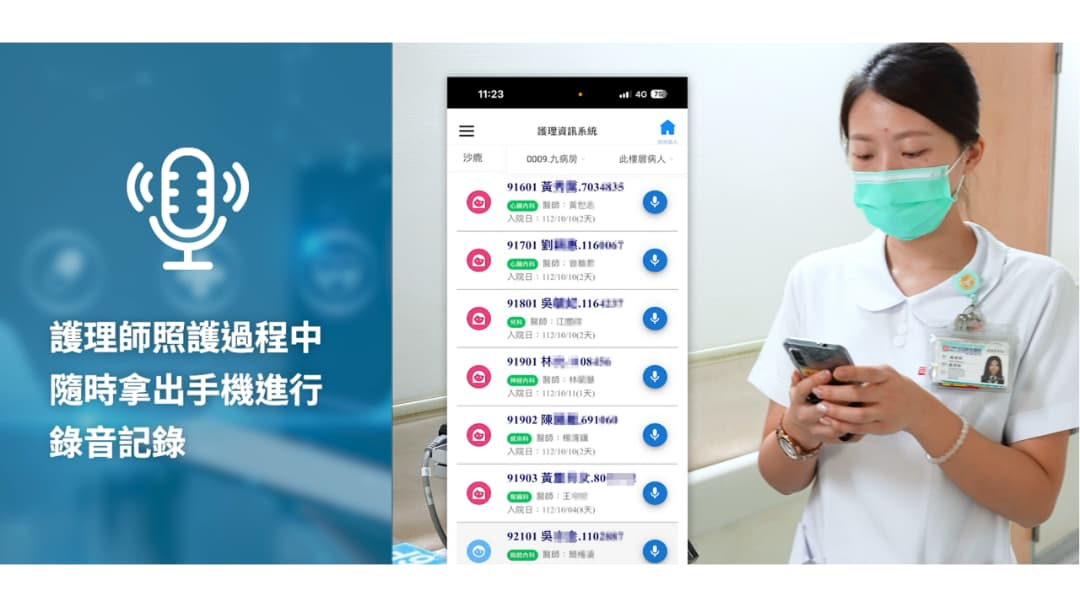
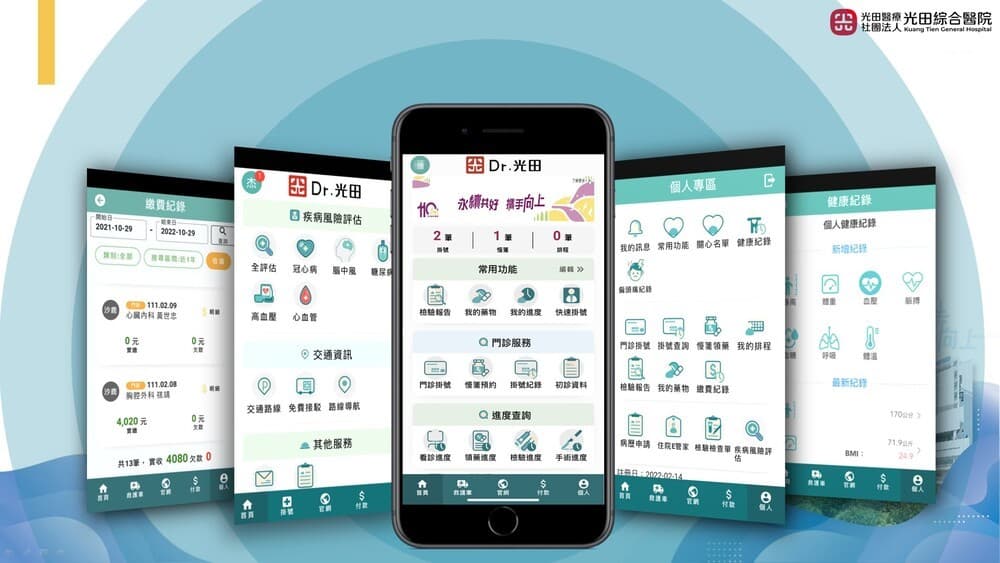
Stroke App: Developed an integrated acute stroke app for real-time NIHSS assessment and treatment monitoring of suspected patients.
HFE Notification: Built an info system on Human Factors Engineering (HFE) and Organizational Ergonomics for real-time alerts, medical records, and data sharing.
HIS Integration: Integrates patient care data into the Hospital Information System (HIS) using HFE principles to streamline team coordination.
Lipid Management: Created proactive lipid protocols for high-risk patients based on the 2021 AHA/ASA stroke prevention guidelines.
SDM Navigation: Promotes Shared Decision-Making (SDM) via an in-house EVT Clinical Decision Navigation System using a 3-axis risk framework (infarct core/THRIVE/mNS_S) with 27 risk combinations for structured family communication.
Comorbidity Care: Implements dysphagia screening, swallowing assessment, and individualized nutritional therapy by registered dietitians.
Multimodal Adjuvant Therapies: Integrates rehabilitation with Traditional Chinese Medicine, ILIB (intravenous laser), rTMS, and hyperbaric oxygen to enhance neurological recovery.
Continuum of Care: Operates a 3-stage, 5-level care model providing seamless services from acute/subacute stages to home-based and long-term care.
From 2020 to 2024, a total of 40 stroke-related publications were produced, comprising 21 peer-reviewed journal articles (13 SCI-indexed, highest impact factor 6.081) and 19 conference presentations (5 oral, 14 poster).
Number of stroke patients referred for traditional Chinese medicine (TCM) consultation: 269 (74.1%) in 2021; 292 (88.2%) in 2022; 200 (74.9%) from January to August 2023.
Since launching rTMS services in 2021, the hospital has accumulated 9,153 treatment sessions with an adverse event (seizure) rate of 0%.
Since 2020, over 40 patients have been transferred from other hospitals for EVT; more than 236 patients received endovascular treatment between 2020 and 2024.
Dysphagia assessment rate before first oral intake in acute stroke inpatients improved from 56.5% in 2021 to 100% by June 2024.
Rehabilitation referral rate for acute stroke inpatients increased from 68% in April 2021 to a monthly average of 100% from January to June 2024, consistently exceeding the KPI target of 85%.
Nutritional consultation referral rate for acute stroke inpatients improved from 45% in 2021 to 100% by June 2024, consistently exceeding the KPI target of 85%.
Between July 2020 and August 2023, a total of 62 hospitalized stroke patients received palliative co-care consultations.
Median door-to-puncture (DTP) time for EVT in stroke patients within 24 hours of onset: 101 minutes at our hospital vs. 114 minutes at a benchmark academic medical center in central Taiwan.
Groin puncture completion rate within 90 minutes of EVT for stroke patients within 24 hours of onset (DTP <90 min): 49.50% vs. 16.60% at the benchmark.
Successful reperfusion rate within 90 minutes of EVT for stroke patients within 24 hours of onset: 92.10% vs. 83.60% at the benchmark.
Rate of favorable neurological outcome at 90 days post-EVT for stroke patients within 24 hours of onset: 34.2% vs. 23.20% at the benchmark.
mRS assessment completion rate at discharge for EVT + IV rt-PA patients: 40% from January to May 2023.
Lipid-lowering drug prescription rate increased from 82.14% to 97.44%.
Dysphagia screening rate increased from 58.77% to 84.09%.
Proportion of stroke patients with improved mRS following multimodal adjuvant therapy: rTMS 40%, ILIB 60%, combined 60% — significantly higher than 30% in untreated patients.
Mean length of hospital stay for hemorrhagic stroke decreased from 25.8 days to 14.6 days (2024); ischemic stroke from 15.6 days to 10.6 days (2024).
Mean hospitalization cost decreased by 15,388 NHI points in 2021–2022.
Per published literature, the adverse event rate of rTMS (e.g., seizures) is approximately 3 per 100,000 sessions. Among 9,153 rTMS sessions conducted at our hospital since 2021, the seizure incidence rate is 0%.
Symptomatic intracranial hemorrhage (sICH) rate following EVT for stroke patients within 24 hours of onset: 14.7% (2020), 13.3% (2021), 16.2% (2022), 10.0% (January–August 2023). The rate in 2023 represents the lowest recorded figure, reflecting progressive improvement in patient selection criteria and accumulating operator experience.
Between 2022 and 2024, a patient experience survey was conducted for hospitalized stroke patients. Feedback scores from patients and their families ranged from 4.18 to 4.54 out of 5.0, reflecting a consistently high level of satisfaction with care quality.
13 SCI-indexed publications, with the highest journal impact factor of 6.081.
Published in Frontiers in Neurology (2021): "Use of a Smartphone Application to Speed Up Interhospital Transfer of Acute Ischemic Stroke Patients for Thrombectomy."
Presented at the Asian-Oceanian Society of Neuroradiology and Head & Neck Radiology (AOCNR) Annual Meeting (2023): "Mechanical Thrombectomy with Coaxial Angioplasty Technique in Patients with Acute Ischemic Stroke and Tandem Carotid Occlusions."
As a regional hospital, Kuang Tien consistently outperforms benchmark academic medical centers in central Taiwan across all key EVT metrics — including median door-to-puncture time, 90-minute puncture success rate, and 90-day favorable neurological outcomes — establishing a new standard of excellence for neurointerventional care at the regional hospital level.
Certified by the Joint Commission of Taiwan (JCT) in 2023 for stroke care quality, and additionally certified in kidney disease care and acute coronary syndrome care, demonstrating comprehensive, multi-disease care capability.
In 2020, became the only regional hospital in central Taiwan to be simultaneously certified as an "Acute Ischemic Stroke Thrombectomy Training Hospital" by the Taiwan Stroke Society, on par with academic medical centers.
The only hospital in Taiwan to consolidate all stroke adjuvant therapies within the Neurology Department, eliminating consultation delays and accelerating time-to-intervention.
Annual stroke emergency training programs are delivered to EMT personnel and local clinic physicians across the coastal region of central Taiwan, strengthening community-wide pre-hospital and interhospital stroke care.
The thrombectomy team provides 24/7 year-round emergency endovascular services, ensuring timely access to world-class stroke treatment for the coastal communities of central Taiwan.