Patients with ARF/CRF, glomerulonephritis, nephrotic syndrome, uremia, HD, PD, kidney transplant, drug poisoning, UTI, acute nephritis, hypertensive/diabetic/gouty nephropathy, and PKD.
From early-stage kidney disease care to dialysis, we provide the care models of patient-centered, interdisciplinary communication and continuity. The CKD team in KTGH reviews all clinical care processes from the patient's perspective and actively integrate medical, nursing, pharmacy, nutrition, social work, and other related healthcare resources. Through the collaboration of teamwork, based on the different stages of kidney disease, we establish a consistent care model to slow-down and control the progression of kidney disease.
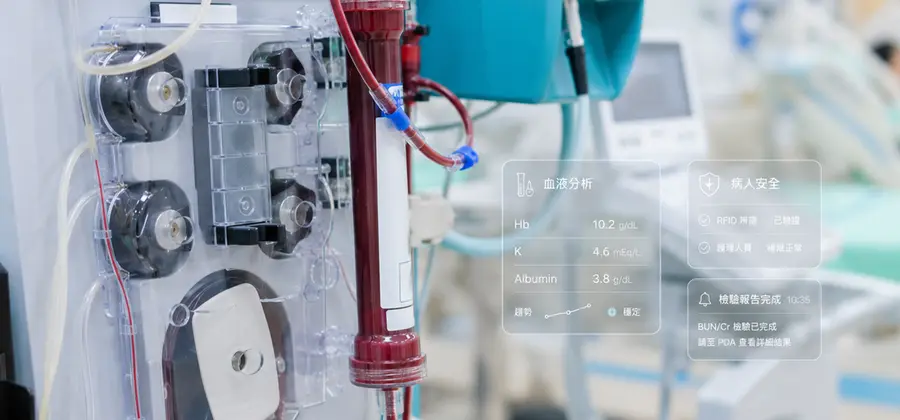
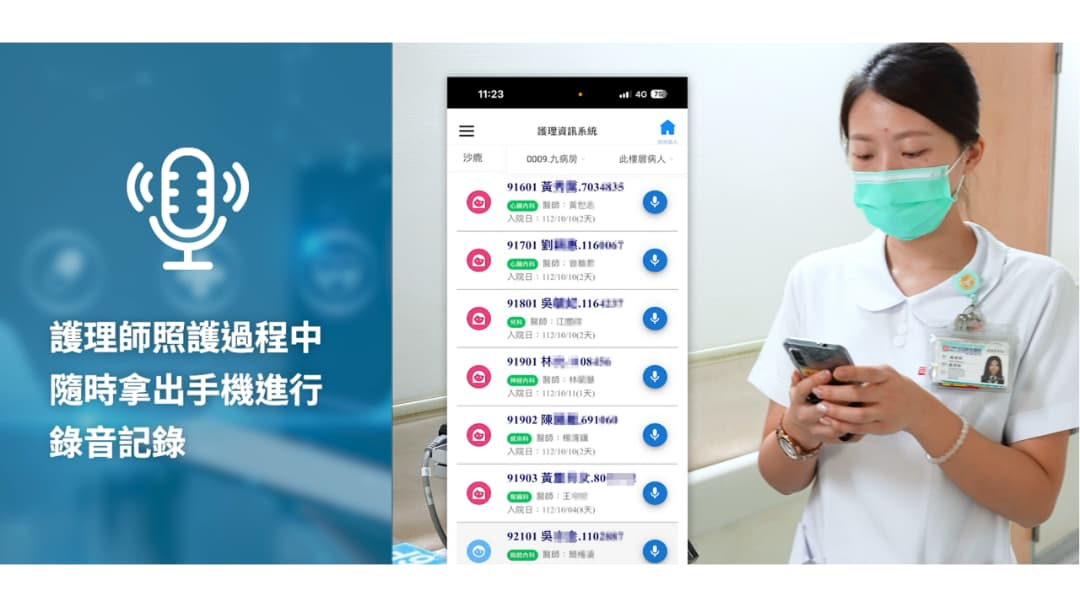
以下為極精簡版本,字數控制在 750字元 左右,結構清晰且核心要點完全保留: Clinical Renal Therapies & Systems 1. CVVH Method: 24-hr low-flow dialysis (150–200 ml/min) via dual-lumen catheter to slowly remove fluids/toxins. Indications: Chronic kidney failure with shock, ARDS, septic shock. 2. Hemoperfusion Method: Blood purification via carbon/resin adsorption. Indications: Drug overdose, poisoning, aluminum overload, uremic middle molecules. 3. Plasma Exchange Method: Separates and removes plasma via membrane, replenishing with fresh plasma. Indications: Transplant rejection, lupus nephritis, acute liver failure, myasthenia gravis, HUS, multiple myeloma. Operations & Quality Care 4. Kidney Biopsy SOP Safety: Standardized prep, time-out, and post-care with checklists and patient ID systems to reduce errors. Quality: Multidisciplinary collaboration, staff education, and safety indicator monitoring. 5. Intelligent HD & PD Care Smart Tech: IoT & mobile integration for real-time data, PD telehealth cloud, and vascular access early warning systems. Case Management: Patient-centered CKD-to-dialysis continuum and first-dialysis tracking to boost adherence. Quality & Safety: Infection control, TRM, Hepatitis C programs, and Shared Decision-Making (SDM).
Regarding the case numbers of kidney disease patients at each stage, in 2020, there were 1,029 cases of early-CKD, and in 2021, there were 1,415 cases. In 2020, there were 151 cases of PreESRD, and in 2020, there were 130 cases. The number of kidney disease patients receiving Traditional Chinese Medicine (TCM) treatment was 143 in 2020 and 278 in 2021. The care of kidney disease patients at each stage has mostly shown stable case numbers, with a significant increase in new cases of early-CKD and the number of kidney disease patients seeking TCM treatment.
Through the development of the case management system, the efficiency and quality of care for chronic kidney disease can be improved for clinical staff. By 2020, the system was implemented, and the number of pre-ESRD cases increased from 126 in 2019 to 221 in 2021, representing a 75% improvement. In terms of care quality, the renal function status of end-stage renal disease (ESRD) patients was assessed, and the average annual difference in eGFR (△eGFR) was used to present the results. From 2019 to 2021, the decline in renal function, as measured by △eGFR, decreased annually from -2.81 to -1.86.
CKD Nutritional Assessment Completion Rate: 42% End-Stage Renal Disease (ESRD) Education Completion Rate: 100% Enrollment in the Care Program Before Initial Dialysis: 43% Nutrition Consultation Rate for New Dialysis Patients: 100% Pharmacist Consultation Rate for New Dialysis Patients: 100% HD Patients with Serum Albumin > 3.5 g/dL: 92.3% HD Patients with URR > 65%: 98.1% HD Patients with Hemoglobin (Hb) > 8.5 g/dL: 94.7% HD Hospitalization Rate: 6.69% HD Mortality Rate Within One Year: 0% HD Mortality Rate After One Year: 1.34% HD Vascular Access Reconstruction Rate: 0% HD Hepatitis B/C Seroconversion Rate: 0% PD Patients with Serum Albumin > 3.5 g/dL: 88.5% PD Patients with Kt/V > 1.7: 74.5% PD Patients with Hemoglobin (Hb) > 8.5 g/dL: 92.3% PD Hospitalization Rate: 9.76% PD Mortality Rate Within One Year: 0% PD Mortality Rate After One Year: 0.9% PD Peritonitis Incidence Rate: 2.99 episodes/year** PD Hepatitis B/C Seroconversion Rate: 0% EPS Incidence Rate Reduced to: 1% EPS Mortality Rate: 0% Needle Dislodgement Rate: 0.001% Hyperkalemia Rate Reduced to: 3.4%
註: HD = Hemodialysis(血液透析) PD = Peritoneal Dialysis(腹膜透析) URR = Urea Reduction Ratio(尿素清除率) Kt/V = Dialysis Adequacy Index(透析充分性指標) EPS = Encapsulating Peritoneal Sclerosis(包裹性腹膜硬化症) Seroconversion Rate 指 B 型或 C 型肝炎由陰性轉為陽性的比率。
Overall Inpatient Care Satisfaction: Approximately 4.2 points Overall Multidisciplinary Team Care Satisfaction: Approximately 4.5 points Overall Hemodialysis Service Satisfaction: 9.44 points Satisfaction with Healthcare Professionals' Expertise: 9.49 points Satisfaction with Respect for Patient Privacy: Approximately 9.49 points
This case focuses on case management and multidisciplinary care for high-risk groups of chronic kidney disease, aiming to provide patients with professional, cross-team collaborative medical interventions. It seeks to establish a patient-centered comprehensive care model for end-stage renal disease, actively treating and intervening to effectively delay the need for dialysis treatment and reduce the occurrence of complications, thereby improving the overall quality of medical care for end-stage renal disease patients. After the hospital passed the kidney disease care quality certification in 2021, it adopted an integrated care model to actively care for end-stage renal disease patients and monitor the renal function status of pre-ESRD patients. Our team compares the annual eGFR difference average value with global standards. The hospital's △eGFR is -1.86, which is better than international literature data.
Develop a patient safety plan and implement disease care processes.
Promote effective communication between healthcare professionals and between healthcare providers and patients.
Foster a patient safety culture and implement patient safety event management. Department heads and the medical quality team will review and improve after understanding abnormal events, and based on the severity of the events, determine whether an RCA2 review is necessary.
Enhance surgical safety. The hospital has established a "Renal Biopsy Operation Procedure" that specifies the execution of Time Out and the procedure for sending pathology specimens.
Prevent patient falls and reduce the severity of injuries.
Enhance medication safety. The hospital has established "Antibiotic Use Control Measures." NSAID oral medications should not be prescribed if they do not meet the specified conditions, and prescribing restrictions are in place with system alerts.
Implement infection control. Hemodialysis has established "Infection Control Measures for Hemodialysis." The information system proactively compares B and C hepatitis test reports and actively reminds nursing staff to adhere to the bed zone management principles.
Encourage patients and their families to participate in patient safety efforts.