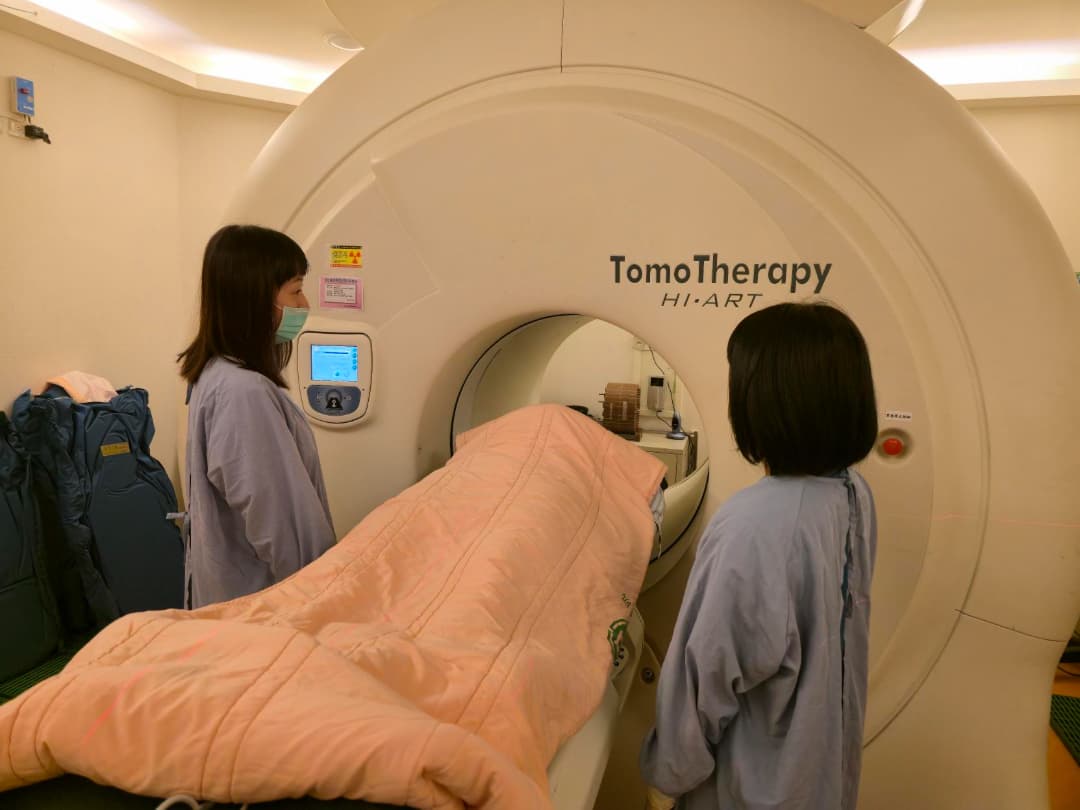
High-precision TomoTherapy SRS/SBRT provides excellent tumor control for lung, liver, breast, prostate, recurrent head and neck cancers, brain metastases, oligometastases, and inoperable tumors.
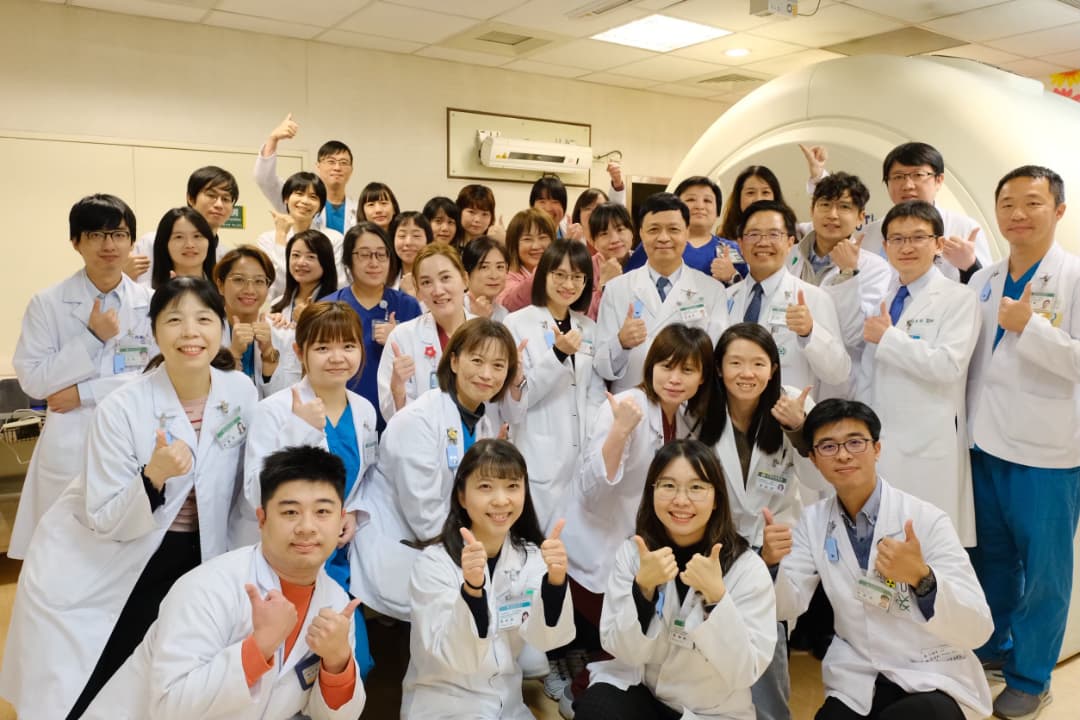
Our team has accumulated 20 years of clinical experience in helical tomotherapy and has established a High-Precision Stereotactic Radiotherapy Center dedicated to advanced SRS/SBRT services. With mature TomoTherapy techniques, image-guided radiotherapy, 4D simulation, individualized treatment planning, and rigorous quality assurance, we are able to design stereotactic radiotherapy plans that meet international standards. We actively provide high-precision, highly effective, and short-course stereotactic radiotherapy for a wide range of diseases, including lung cancer, liver cancer, brain metastases, breast cancer, prostate cancer, locally recurrent head and neck cancer, oligometastases, and inoperable tumors. The service integrates multidisciplinary collaboration, indication review, peer review, standardized workflows, double-check safety mechanisms, and digital management tools to ensure treatment accuracy and patient safety. In addition to tumor treatment, our team continues to pursue innovative clinical research and has successfully applied stereotactic radiotherapy to refractory ventricular tachycardia, demonstrating our commitment to precision medicine, technological innovation, and patient-centered care.
Extensive experience in high-precision image-guided TomoTherapy applied to stereotactic radiosurgery/radiotherapy: We established a High-Precision Stereotactic Radiotherapy Center. As the only hospital in Taiwan and the first in Asia equipped with two image-guided TomoTherapy units, we provide mutual machine backup for SRS/SBRT, ensuring safe and comprehensive treatment support.
Application of stereotactic radiosurgery for arrhythmia treatment: Through integration with cardiology, radiology, and nuclear medicine, we have developed the clinical application and research of stereotactic radiosurgery for refractory ventricular tachycardia, offering patients an innovative treatment option.
Standardized workflow for stereotactic radiosurgery/radiotherapy: We established cancer-specific prescription criteria, internal indication review, and standardized radiotherapy procedures. We also designed the SBRT/SRT Database App as a workflow management solution.
Shared decision-making for high-risk stereotactic radiosurgery/radiotherapy: We developed a patient decision aid, “How to choose between conventional fractionated radiotherapy and stereotactic radiotherapy,” to enhance patient–physician communication and interaction and support SDM in SRS/SBRT.
Total number of radiotherapy treatment visits in 2024–2025: (1) 24,552 visits in 2024 (2) 25,413 visits in 2025
Number of SRS/SBRT treatment visits in 2024–2025: (1) 278 visits in 2024 (2) 438 visits in 2025
Implementation of shared decision-making (SDM): From January to December 2025, SDM was conducted for 546 patients, among whom 387 chose stereotactic radiosurgery/radiotherapy.
Distress Thermometer (DT) screening by clinical psychologists: Our team emphasizes psychological care for cancer patients. In outpatient clinics, we assist clinical psychologists in conducting DT screening and refer patients for psychological counseling when needed. Since 2019, more than 1,000 patients have been screened annually, increasing year by year to 1,944 patients in 2025.
Community, departmental, and media promotion: From January 2024 to December 2025, a total of 30 promotional activities were conducted, including 5 multidisciplinary meetings, 1 press conference, 13 public health education activities, and 11 news media or hospital newsletter reports.
Actively promoted SBRT for eligible patients to improve efficacy and convenience. In 2024 and 2025, SBRT was provided for oligometastases in 112 and 178 patients, ultra-short-course breast cancer treatment in 35 and 69 patients, prostate cancer in 49 and 81 patients, and lung tumors in 23 and 41 patients, respectively.
Promoted shared decision-making (SDM) to enhance patient–physician communication. From 2025 to October 2025, average treatment-related anxiety decreased from 65.96% to 12.77% after SDM implementation.
Achieved a world-first innovation in low-dose stereotactic radiosurgery for refractory ventricular tachycardia. As of June 2025, five patients had been successfully treated.
Received the 2025 Taiwan Health Sustainability Award – Green Healthcare Innovation Award for “Sustainable Stereotactic Radiotherapy.
In 2025, the project received the NHQA Smart Healthcare – Smart Solution Award for “A Digital Assistant Safeguarding Radiotherapy Safety: Smart Application of an App-Optimized SBRT/SRS Workflow.”
In January 2026, the department received the NHQA National Healthcare Quality Award – Center of Excellence Certification in the System Category.
In February 2026, the department obtained ISO 14067:2018 carbon footprint certification for breast and prostate cancer radiotherapy services, including both stereotactic and conventional radiotherapy.
I. Performance of Quality and Safety Indicators
Completion rate of general inpatient consultations within 24 hours: 514/532, reaching 96.6%, above the threshold of 80%.
The completeness rate of records for complications, interruptions, or incomplete treatment during radiotherapy, compliance rate with prescribed total treatment dose, compliance rate with prescribed number of treatment fractions, reconfirmation rate of treatment position during cervical cancer radiotherapy, and rate of prostate cancer cases receiving a BED of at least 150 Gy to the primary site combined with hormone therapy all reached 100%.
II. Compliance with Cancer-Specific Standardized Treatment
In 2025, the department continued to monitor radiotherapy policies and procedural guidelines for 15 cancers and reviewed by ISO meeting yearly.
Compliance rates for total dose and number of treatment fractions across all cancer types remained at 100% or had no applicable cases.
III. Management of Incidents and Patient Safety Events
In 2025, no major radiotherapy-related adverse events were identified, including errors in radiation dose, treatment site, or number of treatment fractions.
One patient safety event was reported in the third quarter of 2025, involving a patient who self-removed a PICC line in the waiting area. The patient sustained no harm. The event was classified as SAC risk level 4, indicating a low-risk event, and reporting and improvement measures were completed.
The 2025 patient satisfaction survey used a 1–5 star rating scale. The average scores for all service items ranged from 4.65 to 4.85, indicating high patient recognition of the department’s medical care, treatment workflow, and multidisciplinary services.
Satisfaction with physician services: 4.85
Satisfaction with radiation therapist services: 4.83
Satisfaction with front desk administrative services: 4.80
Satisfaction with nursing services: 4.78
Overall satisfaction with departmental services: 4.75
Satisfaction with daily treatment machine services: 4.72
Satisfaction with simulation services: 4.68
Satisfaction with medical management of treatment-related side effects: 4.68
Satisfaction with patient examination services: 4.65
The survey results showed that patients maintained a high level of satisfaction with physician explanations, radiation therapist performance, nursing care, front desk administrative services, and the overall treatment process. All scores were above 4.6, reflecting stable patient trust in the department’s service quality, communication and responsiveness, and treatment experience. The department will continue to collect patient feedback as a basis for further improving service workflows and the quality of treatment care.
Research adopted in international guidelines
Contributed to an international textbook
Arrhythmia SRS results published internationally
World-first low-dose 12 Gy SRS technique
48 TomoTherapy papers published
Innovative block technique cited by 20 papers
World-first total-skin TomoTherapy
Asia’s first total marrow irradiation case
Manufacturer-certified demonstration hospital
Asia TomoTherapy demonstration center
Assisted Malaysia’s first total-skin treatment
Trained teams from China, Malaysia, Hong Kong and Singapore
Invited lectures in multiple countries
Obtained ISO 14067 international certification
Participated in the IHF Low-Carbon Healthcare Award
Established a high-precision SRS/SBRT model to enhance national cancer treatment quality.
Developed cancer-specific prescription criteria and indication review to standardize treatment.
Introduced double-check mechanisms and workflow checklists to strengthen radiotherapy safety.
Built SBRT/SRS digital apps to improve workflow efficiency and real-time management.
Provided short-course, minimally invasive treatment to reduce patient visits and care burden.
Expanded treatment options for lung, liver, breast, prostate and other cancers.
Applied SDM tools to improve communication and patient participation in treatment decisions.
Integrated psychological, nutritional and social work support to deliver holistic care.
Promoted multidisciplinary collaboration for complex disease management.
Advanced SRS for refractory arrhythmia, broadening clinical applications of stereotactic radiotherapy.
Developed low-carbon radiotherapy services, balancing healthcare quality and sustainability.
Strengthened Taiwan’s international visibility through publications, training and global collaboration.