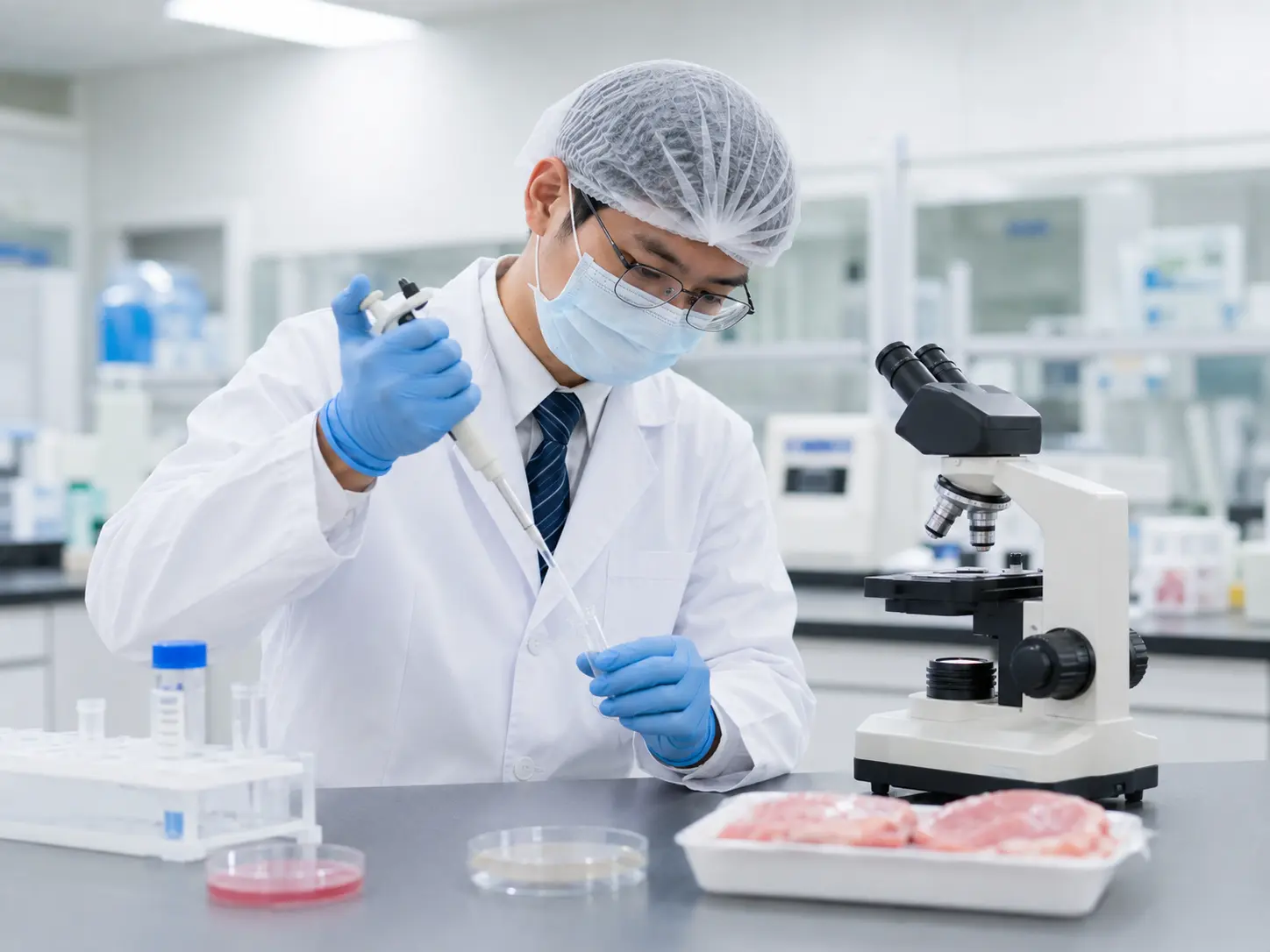
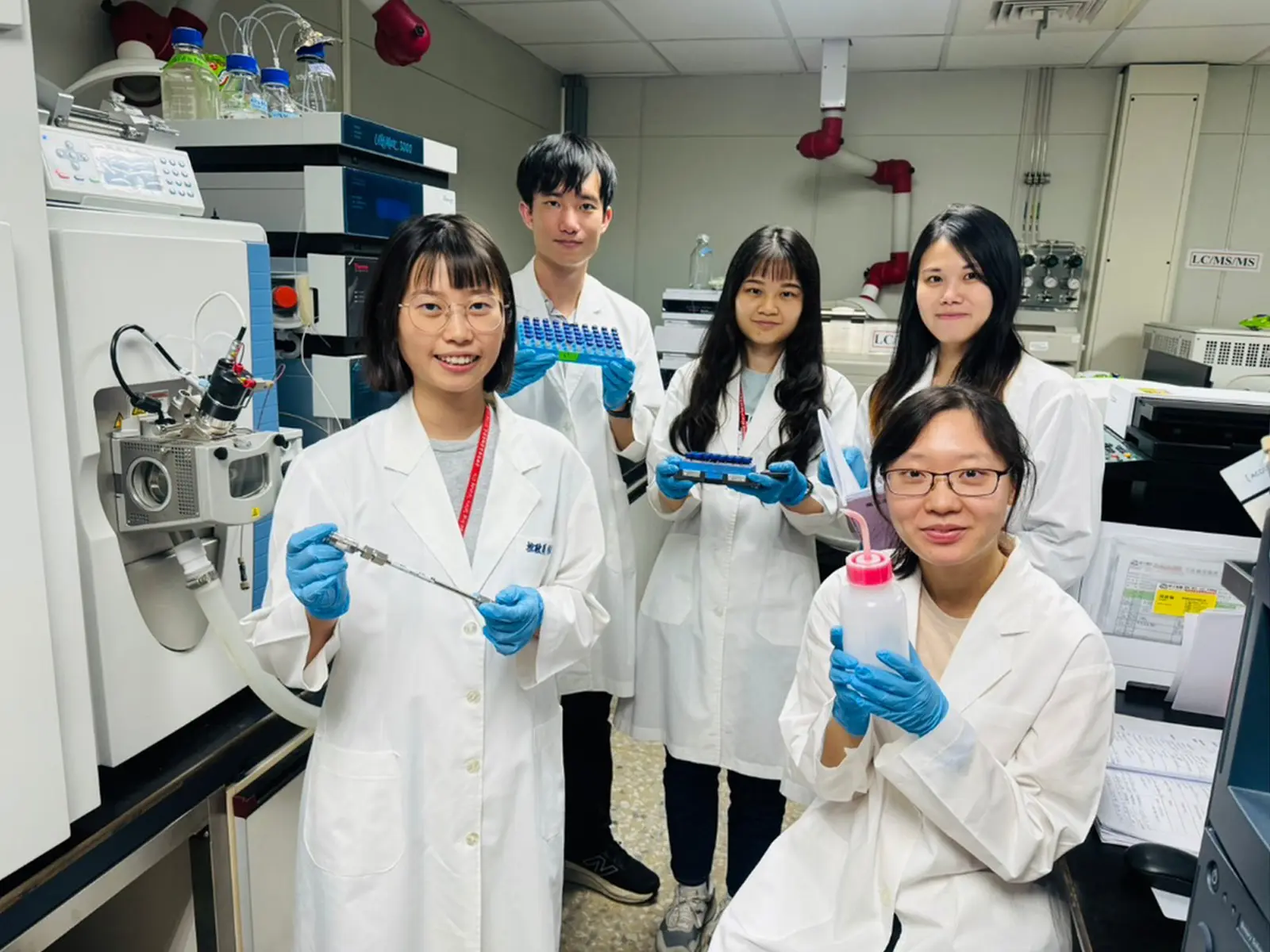
Office of Food and Drug Safety, Taichung City, safeguards public health by establishing a multifunctional food and drug testing laboratory to ensure food safety and hygiene for citizens. Through collaboration among industry, government, and academia, the agency enhances professional testing capabilities for food, pharmaceuticals, and cosmetics, while providing quality public health and healthcare services. It has also introduced the food safety policy “Food Safety 139, Taichung Moving Forward.”
Through the tripartite collaboration of a capable government, responsible businesses, and accountable citizens, the Department seeks to realize a shared vision of transforming Taichung into a “Smart Food Safety City.” To achieve this vision, nine key action plans have been implemented: Smart Governance, Mobile Inspections, Scientific Testing, Self-Regulatory Management, Mandatory Registration, Industry–Academia Alliance, Food Safety Education Network, Whistleblower Reporting, and Information Transparency. The Department is committed to creating a safe and healthy living environment and working together to enhance the health and well-being of all residents of Greater Taichung.
Office of Food and Drug Safety, Taichung City, ensures the accuracy, reliability, and consistency of testing results by establishing comprehensive method validation and verification procedures. The laboratory fully complies with ISO/IEC 17025 standards to implement its quality management system and regularly participates in domestic and international Proficiency Testing (PT) programs to continuously maintain testing quality and technical competence.
In addition, the laboratory continuously obtains accreditation from the Ministry of Health and Welfare and the Taiwan Accreditation Foundation (TAF), and undergoes regular external audits to maintain high testing standards.
Personnel Training and Qualifications: Ensure all laboratory personnel possess the necessary professional knowledge, skills, and qualifications.
Documentation of the Quality Management System: Establish a comprehensive four-level documentation system consisting of the Quality Manual, Quality Assurance Procedures, Standard Operating Procedures (SOPs), and related forms.
Strict Sample Management: Ensure rigorous management and documentation throughout all stages, from sample receipt to report issuance, enabling accurate tracking of testing processes and sample status.
Instrument Calibration and Maintenance: Perform regular calibration and preventive maintenance of testing instruments and equipment to ensure accuracy and stability.
Data Recording and Management: Ensure testing data are accurately recorded, stored, and managed in compliance with requirements for integrity, security, and confidentiality.
Deviation and Nonconformity Handling: Establish corrective procedures to identify root causes and effectively prevent recurrence of problems.
Compliance with Quality Standards: Adhere to all quality management requirements to ensure the reliability and accuracy of testing quality and results.
Strict Compliance with International Standards: Fully comply with ISO/IEC 17025 standard procedures by incorporating daily testing operations into a rigorous management system to ensure zero-defect testing quality.
Maintaining High Credibility in Testing: Continuously obtain dual accreditation from the tFDA and TAF, while actively participating in domestic and international proficiency testing programs to prevent potential risks through third-party audits.
To ensure the accuracy and reliability of food testing results, the agency has established comprehensive corrective and preventive mechanisms for handling testing quality abnormalities. When issues such as deviations in testing data, equipment malfunctions, or inconsistent testing results occur, an investigation procedure is immediately initiated. Comprehensive root cause analysis and traceability reviews are conducted on factors including testing procedures, personnel operations, instruments and equipment, reagents and consumables, as well as environmental conditions. Appropriate corrective actions are then implemented promptly to prevent error escalation and ensure testing quality.
In addition, the laboratory continuously enhances its quality management system through regular training programs, proficiency testing, instrument maintenance, internal audits, and external audits. These measures strengthen self-monitoring practices, ensure the credibility of testing results, and further reinforce food safety protection capabilities in the Greater Taichung area.