Renal Cell Carcinoma (RCC)
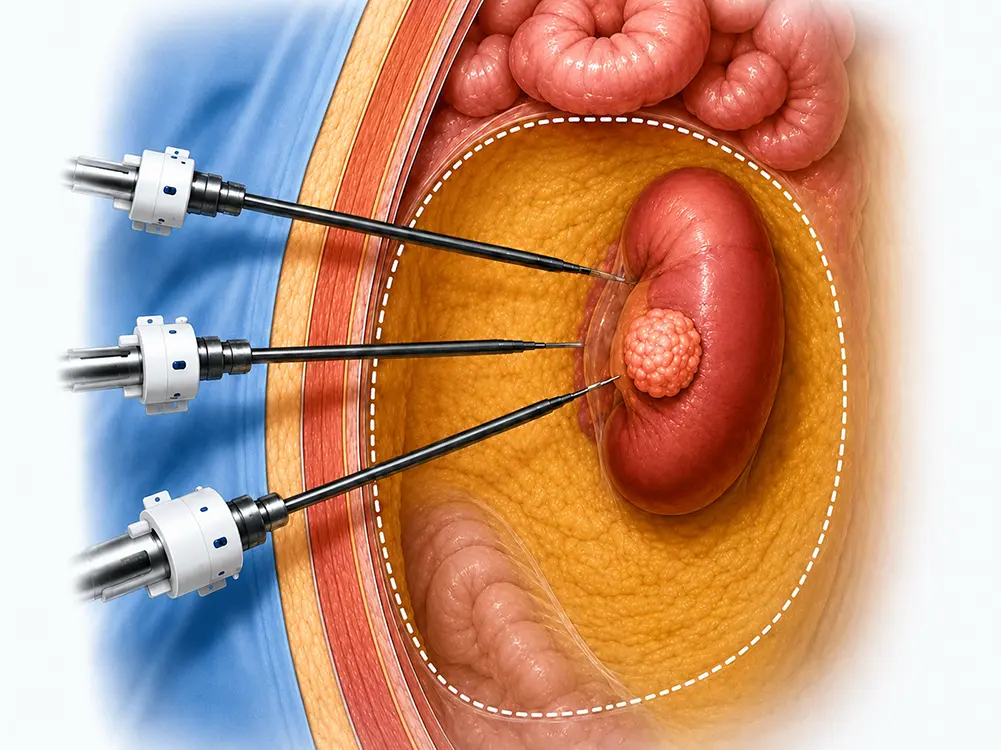
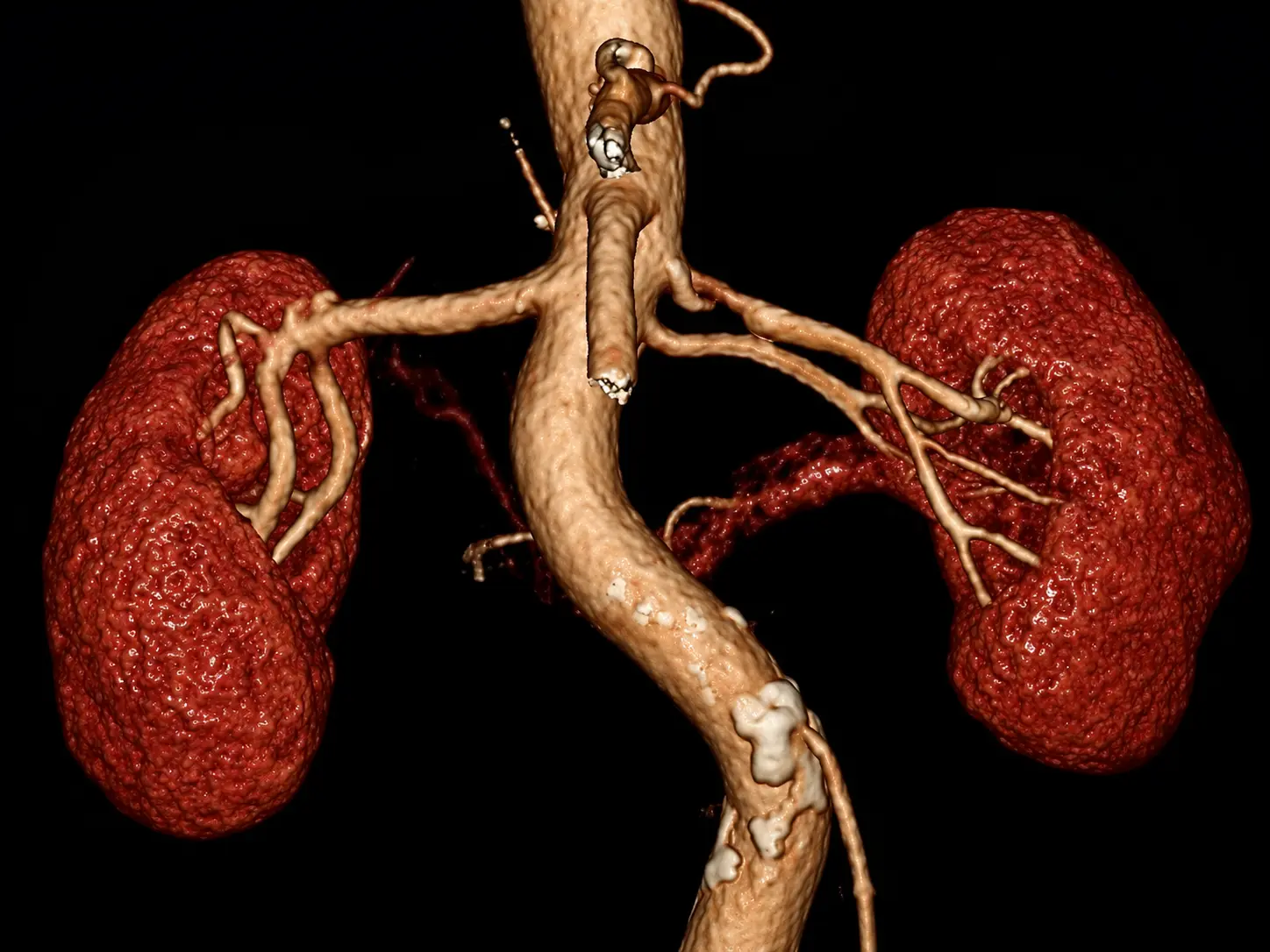
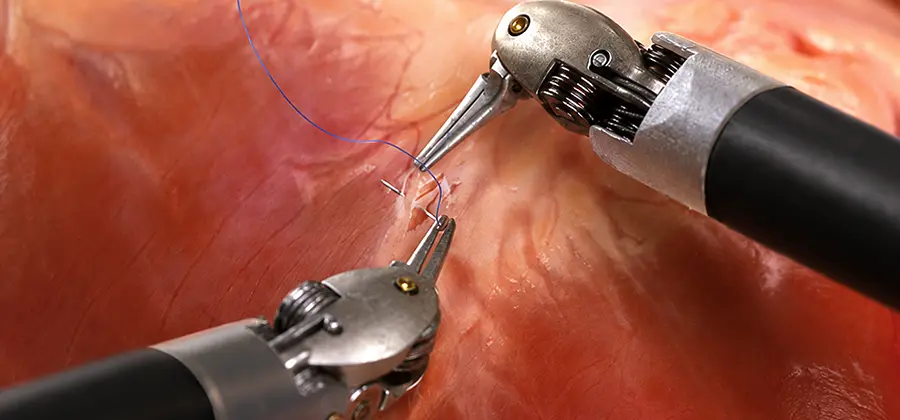
For patients with localized renal cell carcinoma, when comprehensive imaging evaluation confirms that the tumor size, location, and surgical complexity are technically feasible, robot-assisted nephron-sparing surgery is considered the preferred surgical approach. This technique achieves complete tumor excision while preserving maximal normal renal parenchyma, thereby maintaining long-term renal function. Compared with traditional open surgery or conventional laparoscopic approaches, robotic systems provide high-definition three-dimensional visualization and enhanced instrument dexterity, enabling more precise tumor resection and renal reconstruction. These advantages contribute to reduced blood loss, shorter renal ischemia time, and a lower risk of postoperative complications, as well as decreased postoperative pain, faster recovery, and shorter hospital stays, making it an important contemporary strategy in the surgical management of renal cell carcinoma.
Highlights:
High surgical volume – nationally leading
Low major complication rate – world-class level
Highest tumor complexity with 100% negative surgical margins – world-leading
Five-year survival approaching 100% – world-class level
Key Advantage:
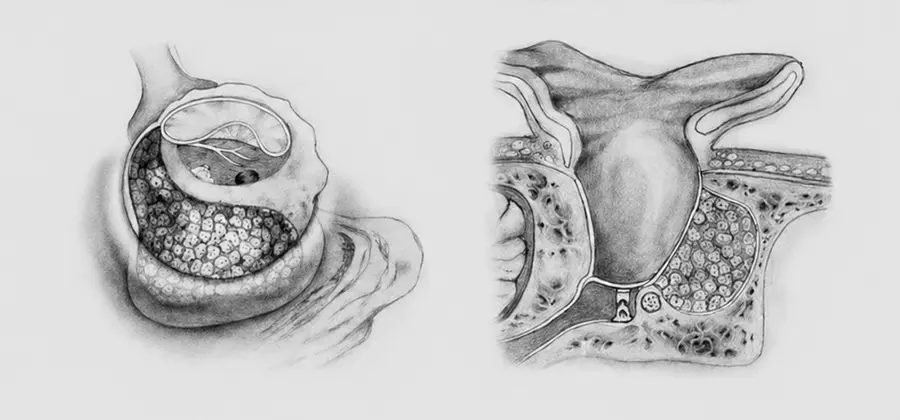
Retroperitoneal tumor resection, ideal for patients with intra-abdominal adhesions or obesity
High nephron preservation, minimal long-term impact on renal function
Innovation:
Use of local Taiwanese population data to predict patients at high risk for postoperative bleeding
Nationally leading surgical volume: As of December 2024, a total of 838 cases of robot-assisted partial nephrectomy have been completed, with a sustained high-volume practice exceeding 50 cases annually.
Despite a higher-than-average tumor complexity (RENAL score), the procedure is associated with a lower-than-average complication rate (4.4%).
Negative surgical margins achieved in 100% of cases.
The five-year survival rate is 98.6%, exceeding the 97.8% reported in the literature, with high patient satisfaction.
Excellent nephron preservation outcomes, with an average renal function decline of 10.7% at six months postoperatively, compared with the reported average of 15.8–23%.
Major complication rate: 4.4% – world-class level
Local recurrence rate: 1.5% – world-class level
Compared with traditional partial nephrectomy, robot-assisted minimally invasive surgery using the Da Vinci system offers smaller incisions, less postoperative pain, faster recovery, and very high patient satisfaction.
Related insights:
https://health.udn.com/health/story/5999/351749
11 original articles: Cited over 300 times in total, with a single article cited up to 136 times.
6 presentations at international conferences: Presented at the largest urology conferences in the US, Europe, and Asia, the highest platforms in the field.
Representative at multiple international expert meetings: Participated as an expert delegate in various relevant international conferences.
Multiple live surgical demonstrations: Conducted live demo surgeries at both domestic and international society meetings.
Over the years, the Urology Department of Taipei Veterans General Hospital (VGHTPE) has trained multiple surgeons, all of whom are now independently performing numerous robot-assisted partial nephrectomies (RaPN). They have also extended this complex procedure to regional hospitals such as Taoyuan Veterans Hospital and Yang-Ming University Hospital.
In 2024, TVGH established a Da Vinci Surgical Observation Center, and the Urology Department was certified as an international surgical observation center. Within a year, six international physicians have already received training, establishing it as a world-class international training center.