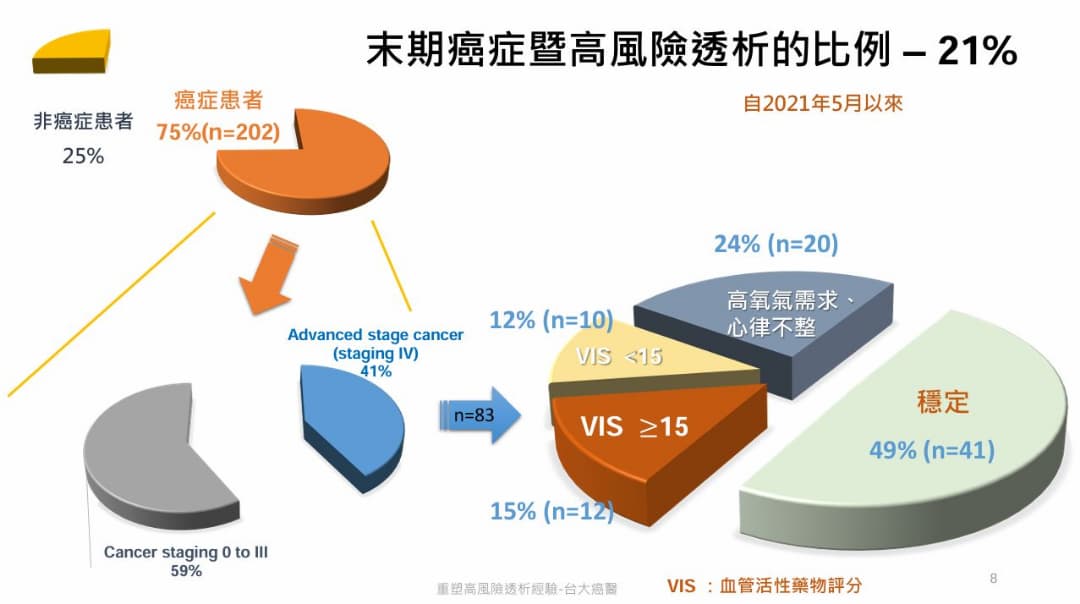
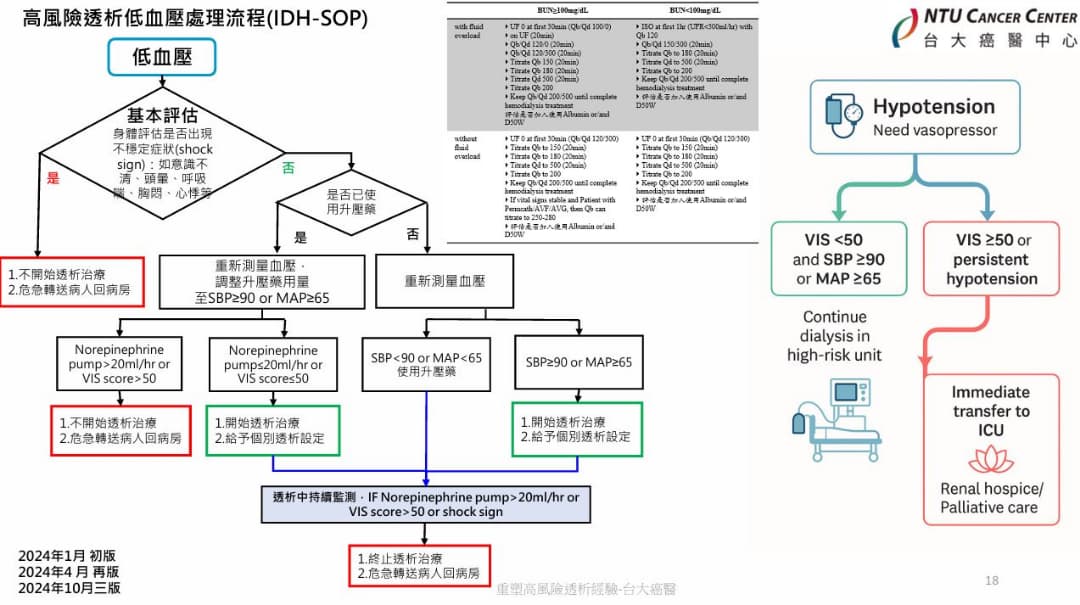
High-risk dialysis patients with cancer include
Cancer patients requiring vasopressor support to undergo dialysis treatment
Cancer patients with concomitant cardiac arrhythmias who require dialysis
We support patients and their families in understanding potential risks, clarifying individual values, and making informed and confident decisions. We believe that even during high-risk phases of treatment, patients deserve attentive care, respect, and the preservation of dignity in every critical decision.
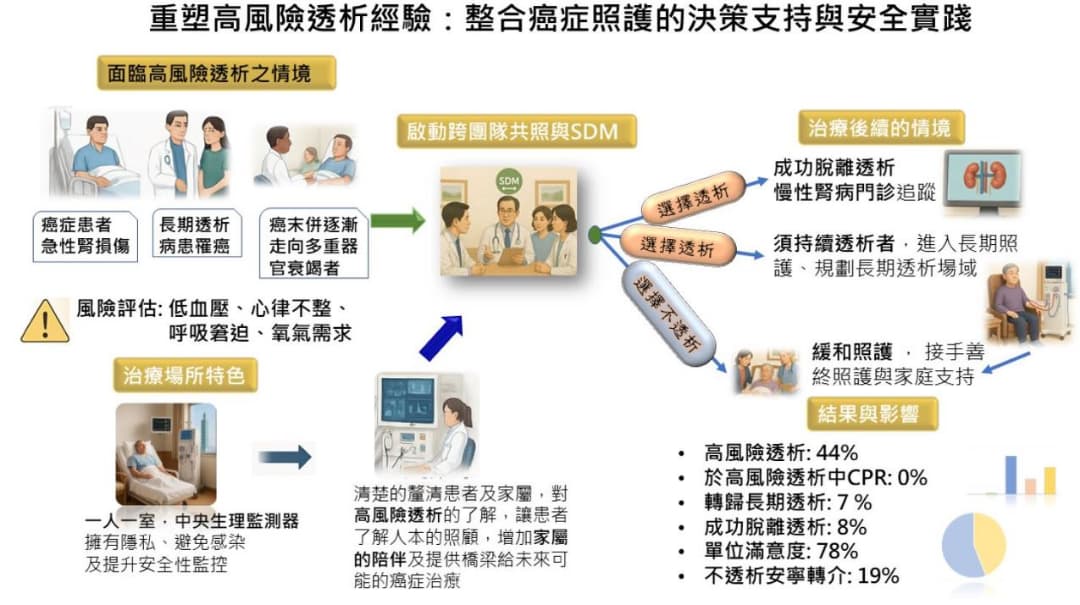
An integrated care model designed specifically for cancer patients requiring high-risk dialysis
Shared decision-making supported by a multidisciplinary team, including nephrology, oncology, critical care, and palliative care
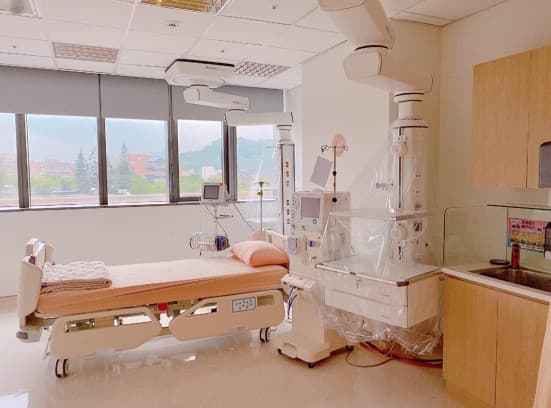
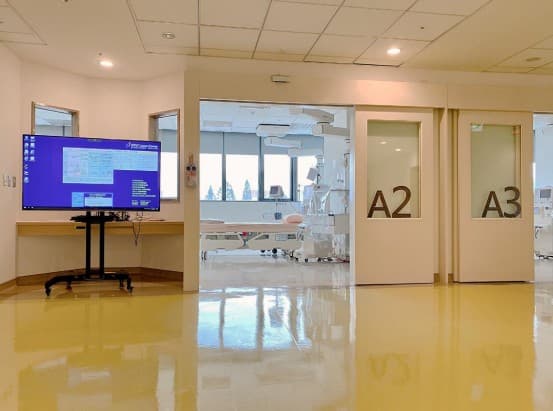
Private, single-patient dialysis rooms that reduce anxiety and allow family presence
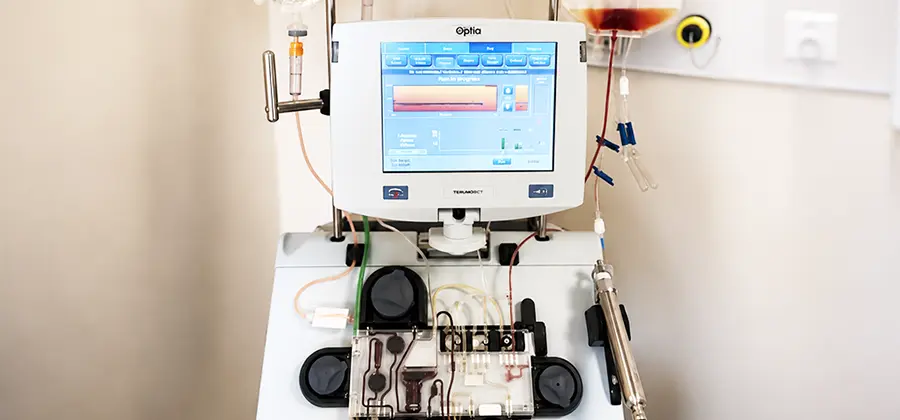
Real-time vital sign monitoring with standardized response protocols to ensure treatment safety
A patient-centered approach that emphasizes understanding, choice, and dignity in care decisions
High-risk dialysis accounted for 44% of all dialysis encounters.
Outcomes of high-risk dialysis patients (per dialysis encounter):
27% required subsequent transfer to the intensive care unit (ICU) due to disease progression
39% died as a result of disease progression and related complications
7% required long-term maintenance hemodialysis
19% transitioned to kidney failure–related palliative care
8% successfully discontinued hemodialysis
Nephrology consultation and shared decision-making (SDM) implementation rate: 100%
Rate of cardiopulmonary resuscitation (CPR) events and dialysis interruption requiring ICU transfer: 0%
Rate of dialysis discontinuation with transition to chronic kidney disease (CKD) care: 8%
Rate of referral to integrated palliative care: 47%
Support and encouragement from dialysis staff (mean score: 82.89) and social support (mean score: 77.19) received higher ratings, reflecting strong interpersonal and system-level support that helps buffer the burden of illness.
Patients with advanced cancer complicated by kidney failure are often in a highly vulnerable physical and psychological state due to disease progression, ongoing treatments, and associated complications. Current international guidelines generally recommend that when patients experience hemodynamic instability and require vasopressor support, kidney replacement therapy should be performed in an intensive care unit (ICU). However, in real-world clinical practice, ICU bed availability is limited, and patients often face prolonged waiting times that may delay treatment. In addition, ICU visitation restrictions frequently prevent family members from being present, leaving patients to undergo treatment alone in an unfamiliar environment, which can cause significant psychological distress. To address these clinical challenges, our hospital has designed private, single-patient dialysis rooms equipped with a central monitoring system comparable to ICU standards. In parallel, we have established standardized care pathways for “high-risk dialysis” patients and strengthened professional training for healthcare staff. This integrated approach ensures that even when dialysis is delivered outside the ICU setting, treatment quality and patient safety are maintained. Moreover, this model allows family members to remain with patients throughout the treatment process, helping to reduce anxiety and improve treatment adherence.