We provide screening, early diagnosis, and comprehensive treatment of macular diseases for the general public and diabetic patients to improve early detection and preserve vision.
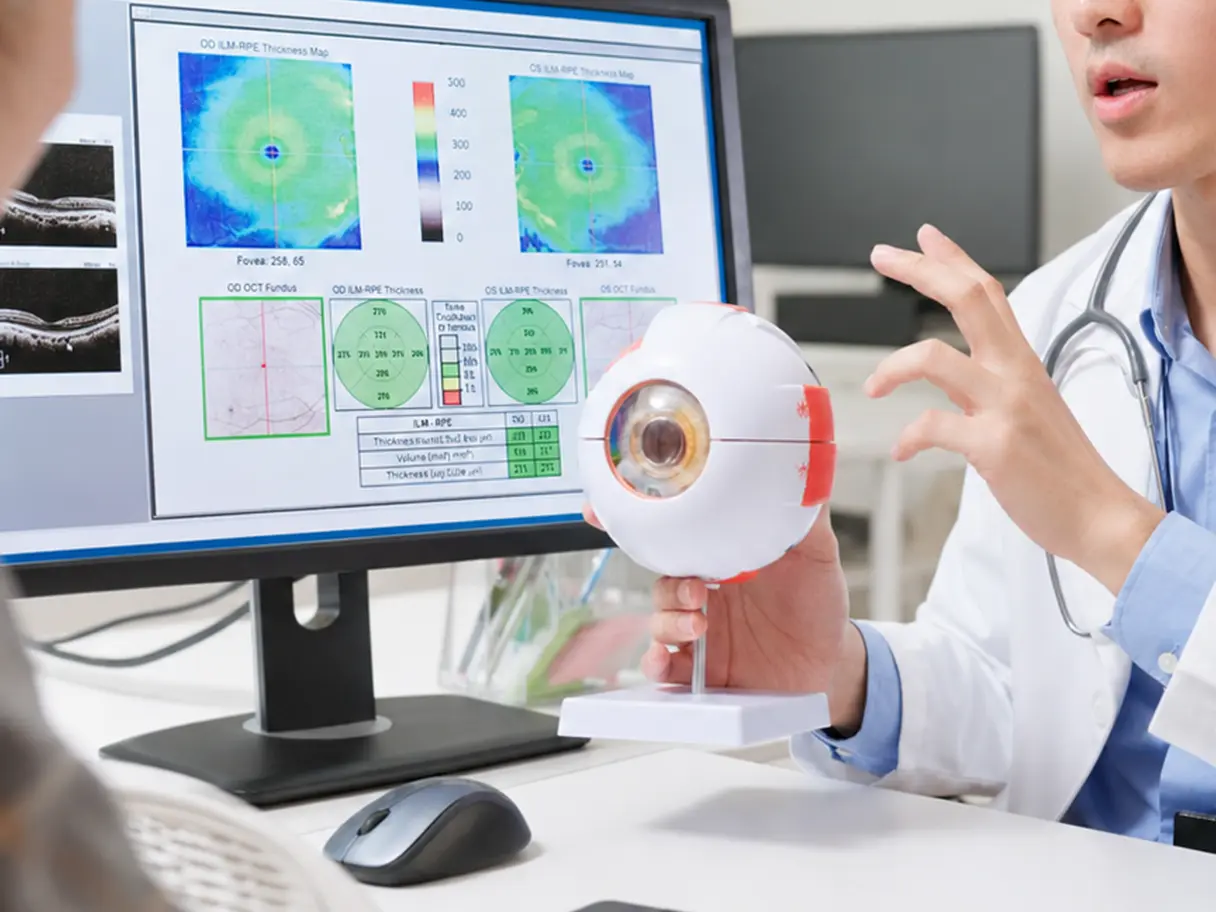
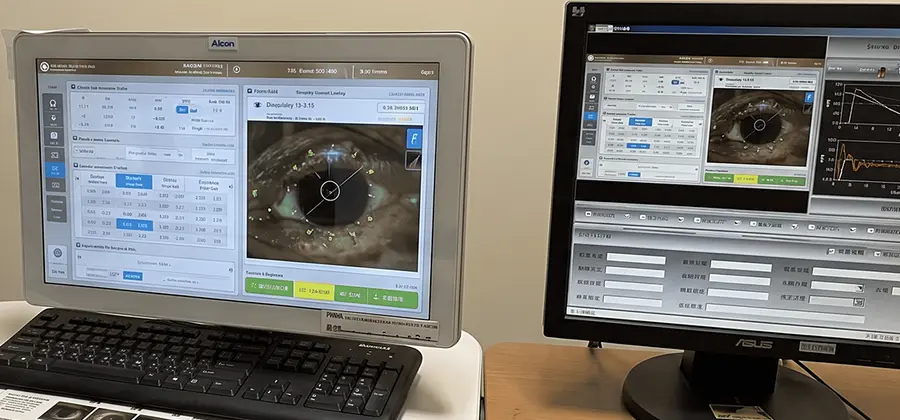
Committed to research and innovation, we actively adopt internationally recognized diagnostic and treatment approaches for macular diseases, providing leading macular care in Taiwan. To enhance clinical quality, our center is equipped with advanced technologies, including slit-lamp imaging systems, indirect ophthalmoscopes, ultra-widefield fundus cameras, fluorescein and indocyanine green angiography, ocular electrophysiology devices, and fundus autofluorescence imaging. Our facilities include dedicated diagnostic areas for angiography and optical coherence tomography (OCT), as well as treatment areas featuring retinal laser therapy rooms, intravitreal injection suites, and ophthalmic operating rooms, ensuring comprehensive and high-quality patient care.
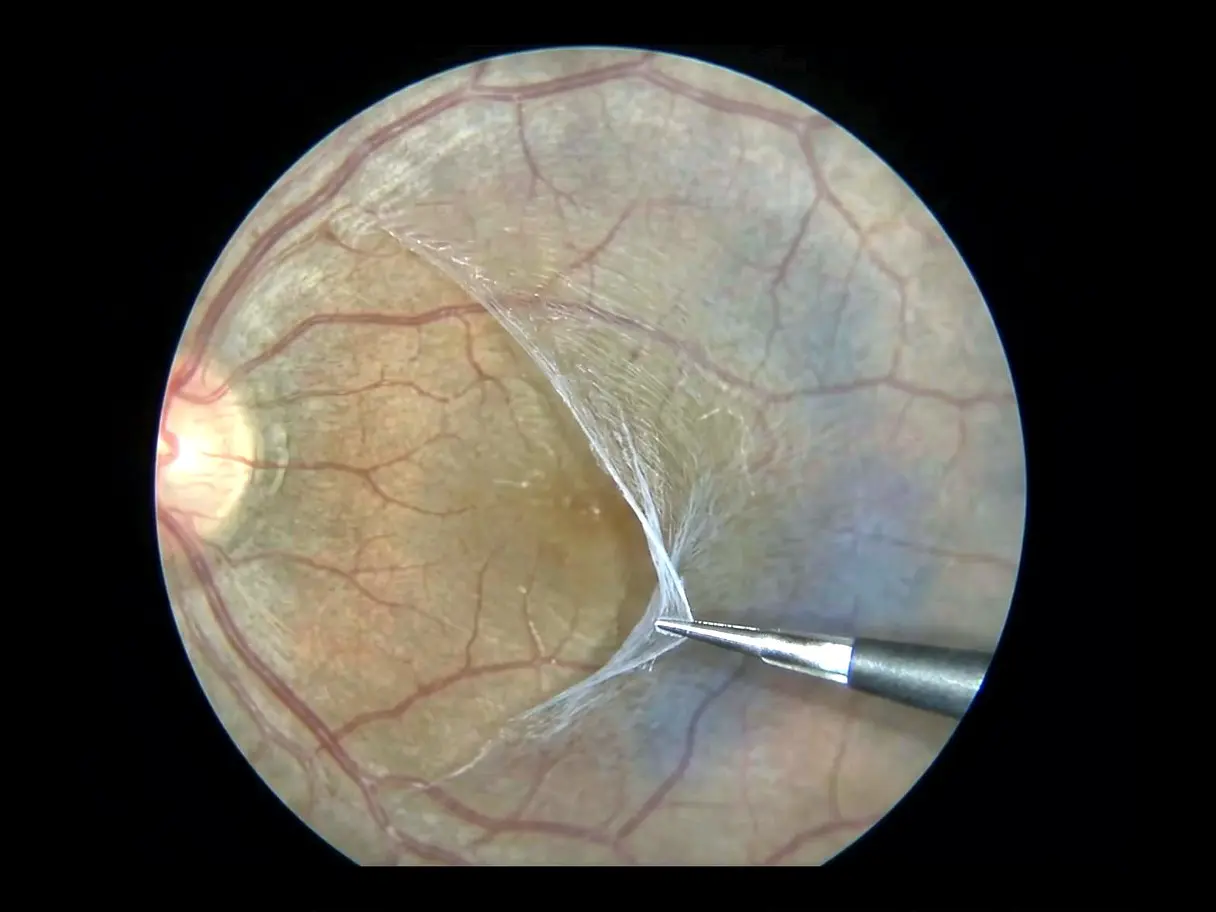
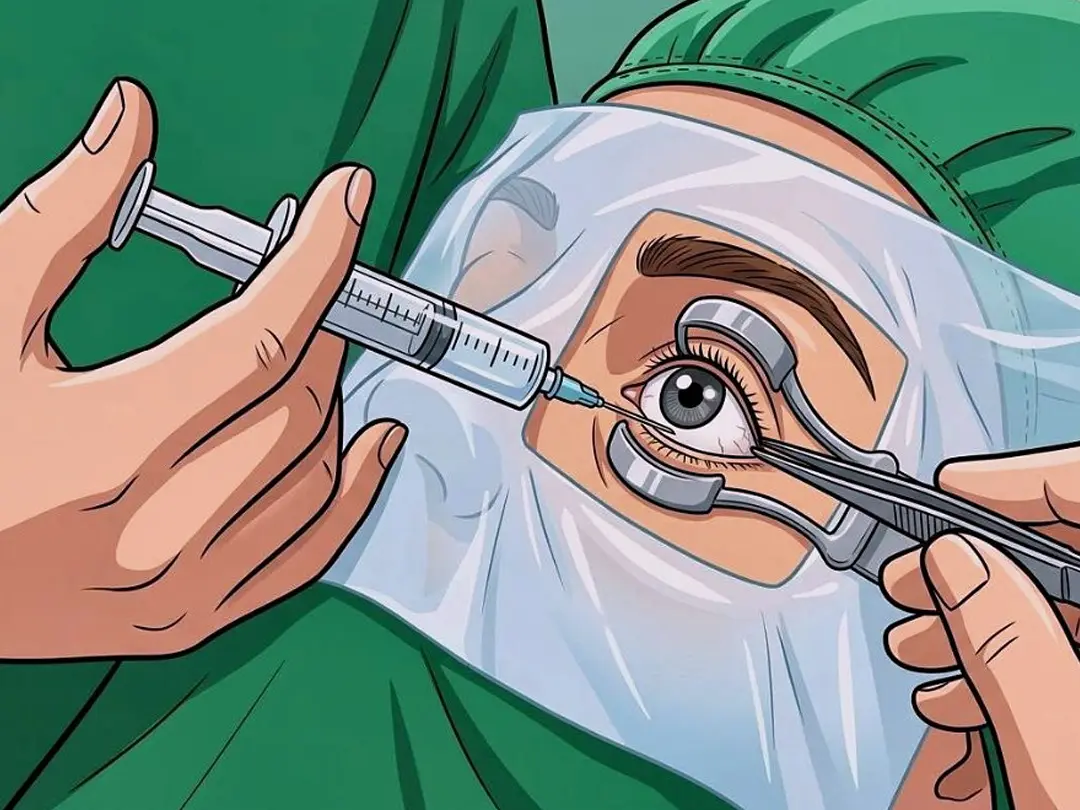
Our team specializes in the surgical management of macular diseases, including intravitreal injections and macular surgery, offering a wide range of therapeutic options. We were the first medical center in Taiwan to introduce the self-paid treatments Vabysmo in 2022 and Lytenava in 2023 for macular diseases. We also actively participate in major national and international clinical trials, including the RENOWNED, AURIGA, VOYAGER, POMS, and Phase III POYANG studies, contributing to the advancement of innovative retinal therapies.
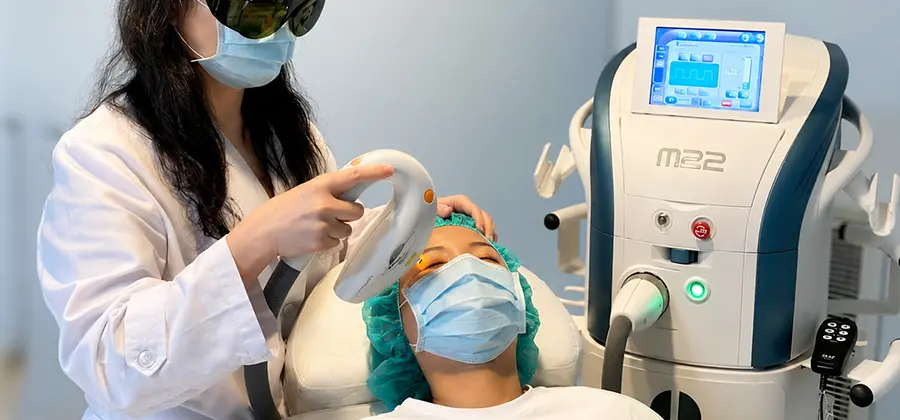
In surgical care, we have adopted advanced high-speed microincisional vitrectomy systems and 27-gauge minimally invasive surgical platforms, enhancing surgical precision, safety, and postoperative recovery. In addition, our center provides photodynamic therapy (PDT) for the treatment of polypoidal choroidal vasculopathy and other retinal disorders, and is recognized as one of Taiwan’s leading
The Macula Treatment Center provides comprehensive care for retinal and macular diseases, encompassing diagnosis, treatment, screening, education, and research. Annual outpatient visits exceeded 30,000 and remained stable at nearly 40,000 in 2023–2024, demonstrating sustained service capacity and growth.
Advanced diagnostic services are delivered at high volume, with OCT examinations exceeding 20,000 cases annually and angiography procedures surpassing 1,000 cases per year. Retinal laser treatments consistently served over 2,000 patients annually, while intravitreal injections increased from 2,811 cases in 2022 to 3,619 cases in 2024, reflecting growing treatment demand.
The center maintains a strong surgical program, performing over 580–640 macular surgeries annually and demonstrating continued excellence in surgical care.
To enhance early disease detection, the team launched the “Smart Vision” screening system in 2021. Annual screening volumes exceeded 40,000 cases, significantly improving the early identification of macular diseases.
The center is also actively engaged in education and research. In 2024, team members delivered 13 presentations at ophthalmology conferences and participated in multiple clinical studies, contributing to advances in macular disease diagnosis, management, and treatment.
Intravitreal injection therapy demonstrates significant clinical efficacy in macular diseases.
In diabetic macular edema (DME), approximately 80% of patients show reduction in edema, and nearly 60% experience visual improvement.
In branch retinal vein occlusion (BRVO) with macular edema, about 70% achieve edema reduction and nearly 70% show visual improvement.
In polypoidal choroidal vasculopathy (PCV), approximately 70% of lesions are reduced, with about 40% visual improvement.
In myopic choroidal neovascularization (mCNV), nearly 80% show lesion regression and about 60% experience visual improvement.
In macular surgery, patients with epiretinal membrane (ERM) show nearly 60% visual improvement after treatment.
In macular hole (MH), approximately 80% achieve anatomical closure and about 50% experience visual improvement.
Overall, the team demonstrates favorable outcomes in both medical and surgical management of macular diseases, effectively improving retinal pathology and visual function.
Implementation of an AI-assisted diabetic retinopathy screening system, with approximately 85% agreement between AI interpretation and physicians’ assessment.
Demonstrates strong diagnostic consistency and provides valuable clinical decision-support capability.
The rate of cases not referred by AI but requiring referral is approximately 1.6%, indicating high overall sensitivity and a reduced risk of missed diagnoses.
Biannual quality audits and evaluations are conducted, covering standardized operating procedures for all examinations and surgical workflows.
The implementation rate of standardized operating procedures (SOPs) reaches 100%, ensuring consistency across all screening processes.
From 2019 to 2021, our team collected a total of 126 Shared Decision-Making (SDM) questionnaires, yielding the following key outcomes:
Significant Reduction in Anxiety: 96.8% of patients and their families reported a decrease in anxiety levels, with 3.2% of patients altering their treatment choices as a direct result of the questionnaire.
Official Recognition: Our SDM initiatives have been honored with certificates of merit and appreciation.
Patient Gratitude: Received 23 letters of appreciation from patients and the public between 2019 and 2021.
In 2020, our team treated 56 patients with diabetic macular edema (DME) and 66 patients with epiretinal membrane (ERM).
The case volume represents a meaningful clinical scale and demonstrates substantial patient care experience in macular diseases.
The number of enrolled cases exceeds that reported in many international clinical studies, highlighting the robustness of our clinical dataset.
This indicates strong clinical research capability and competitiveness in the field of retinal and macular diseases.
The accumulated cases provide stable and representative clinical experience in the management of macular disorders.
These data further support future clinical research development and academic publication in this field.
The Macula Treatment Center is dedicated to advancing retinal and macular disease care through innovation, clinical excellence, and research. The center pioneered the introduction of novel intravitreal therapies in Taiwan, including Beovu (2022) and Vabysmo (2023), expanding patient access to advanced treatments and aligning care with international standards.
The team actively participates in major multicenter clinical trials, including RENOWNED, AURIGA, VOYAGER, POMS, and the Phase III POYANG study, contributing to evidence-based medicine and the development of global treatment strategies. Surgical quality has been enhanced through the adoption of 27-gauge minimally invasive vitrectomy and advanced high-speed systems, improving precision, safety, and patient outcomes.
As one of Taiwan’s leading centers for photodynamic therapy (PDT), the team provides specialized care for complex retinal diseases such as polypoidal choroidal vasculopathy. Clinical outcomes demonstrate significant anatomical and visual improvements across diabetic macular edema, retinal vein occlusion, PCV, and myopic choroidal neovascularization. Macular surgery also achieves high success rates, including favorable visual recovery and macular hole closure.
Supported by extensive clinical experience, the center continuously advances treatment standardization, quality improvement, and research collaboration, enhancing effectiveness, safety, and sustainability in retinal disease management.