Cardiogenic shock or acute myocardial infarction with circulatory collapse
Acute respiratory distress syndrome (ARDS) and other forms of severe respiratory failure
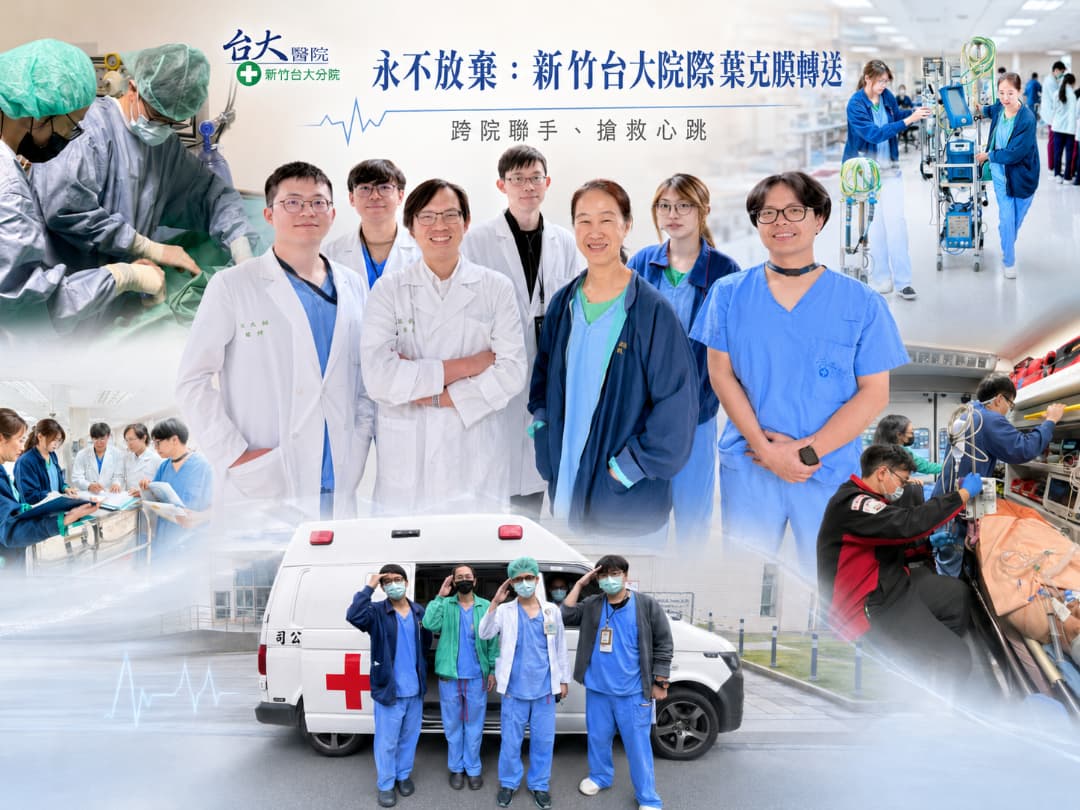
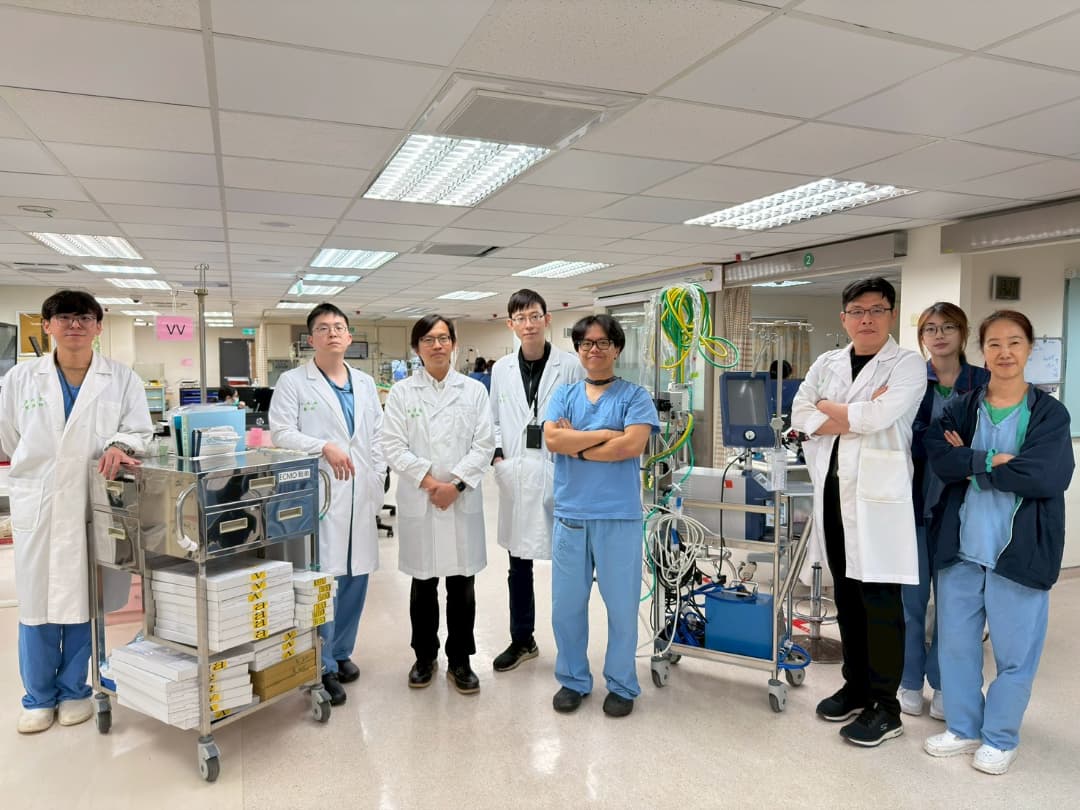
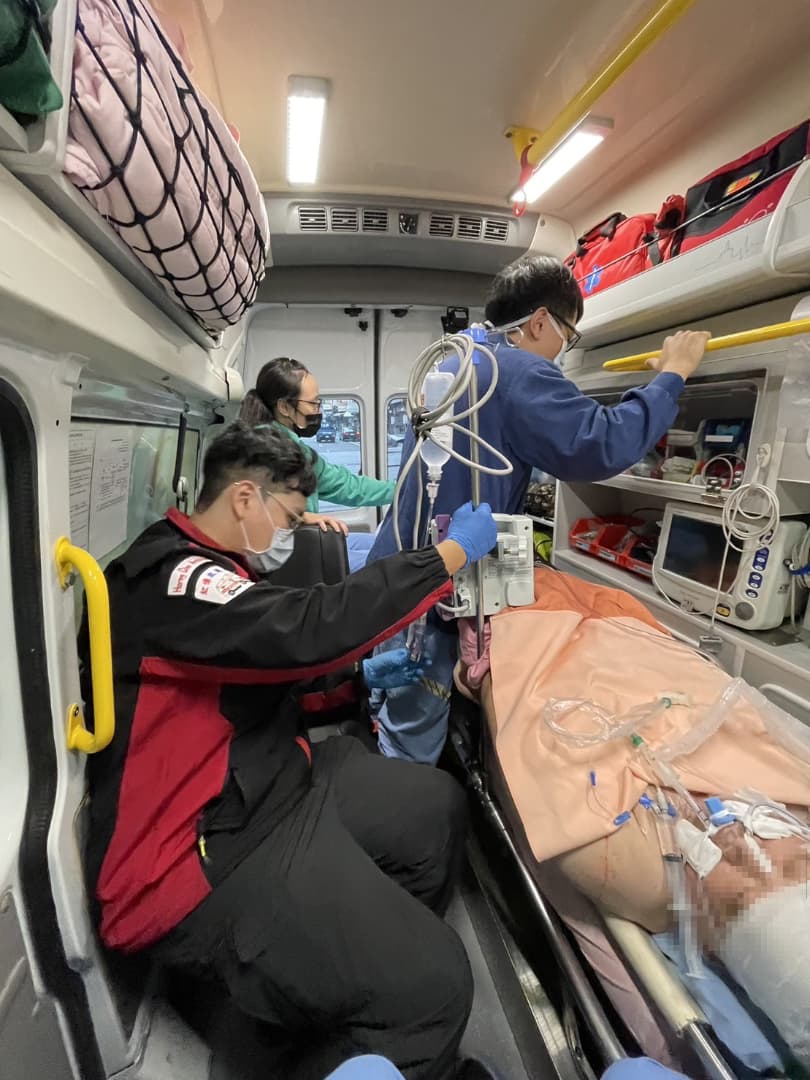
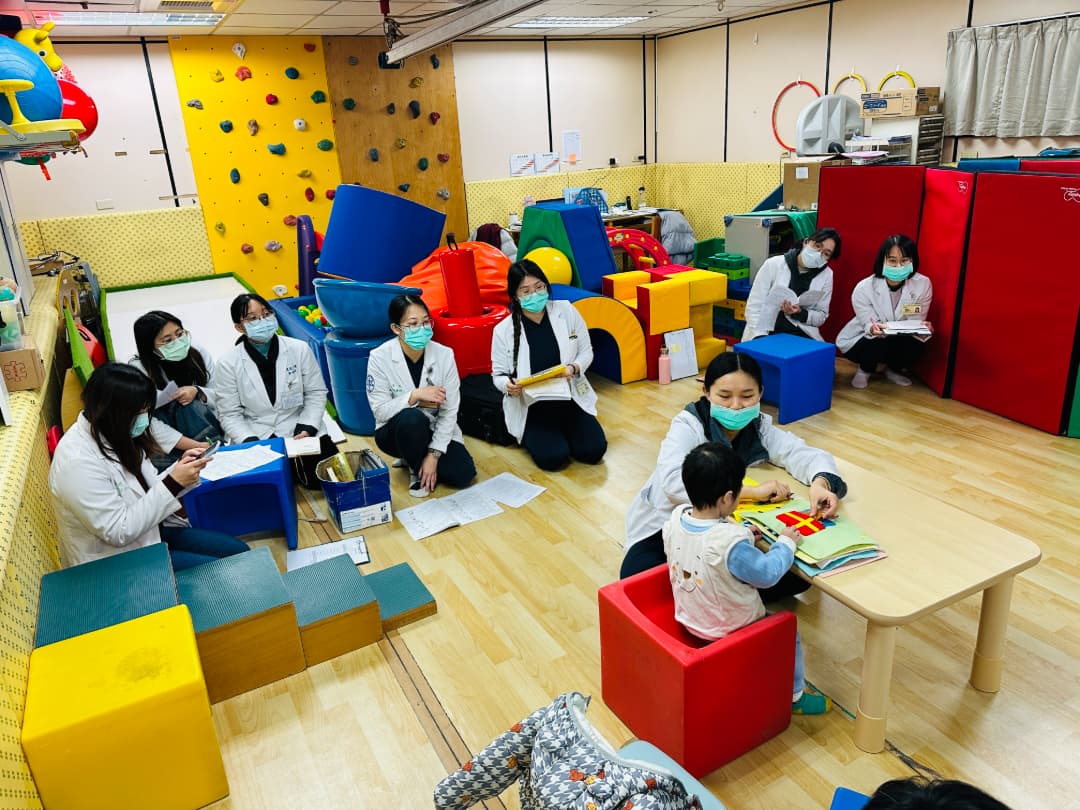
Since 2014, the National Taiwan University Hospital Hsin-Chu Branch has established an “Interhospital ECMO Retrieval and Transport Center,” providing rapid ECMO support for critically ill patients in the Taoyuan–Hsinchu–Miaoli region through a small but highly efficient multidisciplinary team. The retrieval team consists of cardiovascular surgeons, critical care physicians, perfusionists, and dedicated nurses. Operating 24/7, the team can rapidly initiate evaluation, deploy to the referring hospital, perform on-site ECMO cannulation, and safely transport patients back to NTUH Hsin-Chu Branch. To date, more than 85 interhospital ECMO retrieval missions have been completed, with an overall survival rate of approximately 50%, comparable to NTUH Main Hospital and major international medical centers.
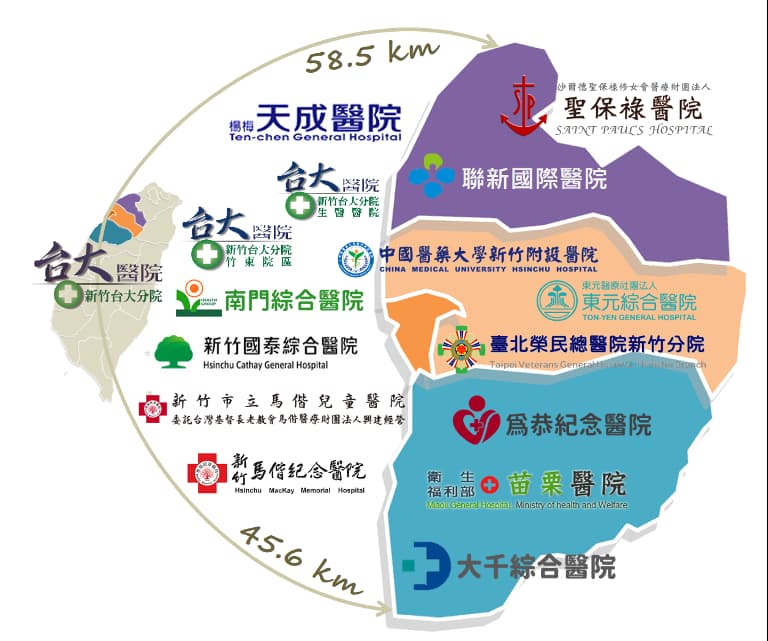
The team is distinguished by its high level of standardization and mobility, supported by a “small but excellent” SOP. Through integrated communication platforms, the team streamlines consultation, real-time interpretation, equipment readiness, and role assignment, enabling dispatch decisions and mobilization to be completed within 90–120 minutes. Covering a population of 1.5 million, the service assists regional hospitals lacking ECMO capability in managing the most critical cardiopulmonary failure cases, thereby strengthening regional critical-care capacity and promoting medical equity. In addition, the center integrates education and training, interhospital simulation exercises, and database-driven quality management to ensure safer and more reliable ECMO retrieval services.
Streamlined “Small-but-Strong” SOP: Two–three member deployment team; dispatch decision completed within 90 minutes.
Single-Window Activation: Integrated communication platform for consultation, interpretation, and resource coordination.
Multidisciplinary Collaboration: Coordinated roles among cardiac surgery, critical care, perfusion, and nursing teams.
High-Safety Transport Protocols: Standardized equipment checklist and rapid on-site stabilization strategies.
Data-Driven Quality Management: Established ECMO retrieval database and routine case review.
Regional Critical-Care Hub: Serves 1.5 million residents across South Taoyuan, Hsinchu, and Miaoli; overall survival rate ~50%.
Annual ECMO retrieval cases increasing year by year
Over 30 retrieval missions completed in the past three years
Service region covering 2 million population
Annual deployment frequency doubled compared with earlier years
Inter-hospital consultation volume increasing annually
Overall ECMO retrieval survival rate ~50%
ECMO activation decision time reduced to within 90 minutes
Transport success rate 100%
Major complication rate below international benchmarks
ECMO retrieval case volume increased by 80% from 2023 to 2025
Zero adverse events during retrieval operations
100% compliance with equipment checklist execution
No incidents of circuit dislodgement during transport
100% completion rate of routine case review and audit
Referring hospitals report satisfaction levels exceeding 95%
Partner hospitals consistently designate our center for ECMO transfers
High family satisfaction with transport safety and post-transfer care
nil
Establish a critical care transfer lifeline for the Taoyuan–Hsinchu–Miaoli region, shortening time-to-care for severely ill patients and enhancing regional healthcare equity.
ECMO retrieval rescue: enables hospitals without ECMO capability to rapidly upgrade their resuscitation capacity and avoid missing the golden therapeutic window.
Standardized transfer protocols adopted by regional hospitals, improving the efficiency and safety of inter-hospital referrals.
After integration with the Critical Care Center, survival outcomes and overall quality of care for severe cases have significantly improved.