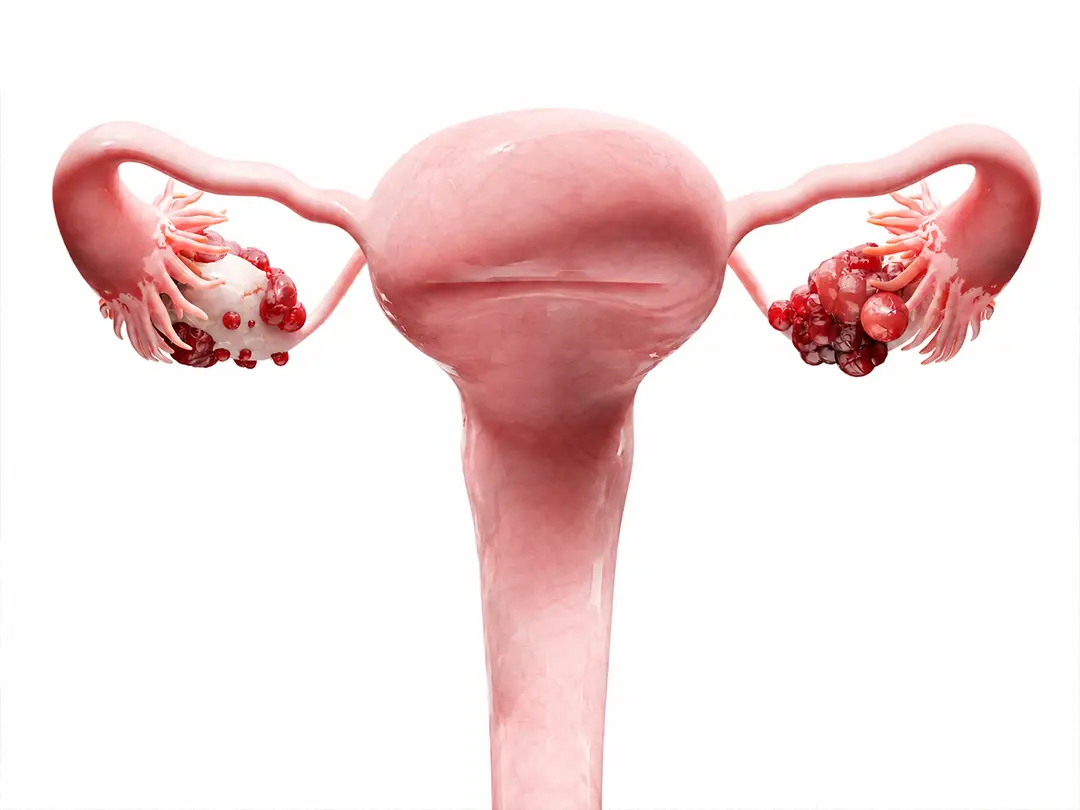
All gynecologic cancer patients from the MacKay Memorial Hospital, including Taipei Main Hospital and Tamsui Branch.
The gynecologic oncology care team at MacKay Memorial Hospital serves approximately 5–10% of gynecologic cancer patients in Taiwan. Statistics show that the FIGO survival rates of our gynecologic cancer patients exceed the national and medical center averages, with cervical and ovarian cancer survival rates surpassing the upper limit of the 95% confidence interval. Centered on the needs of women with gynecologic cancer, we provide high-quality, advanced, and integrative multidisciplinary care while maintaining a focus on continuous humanistic concern.
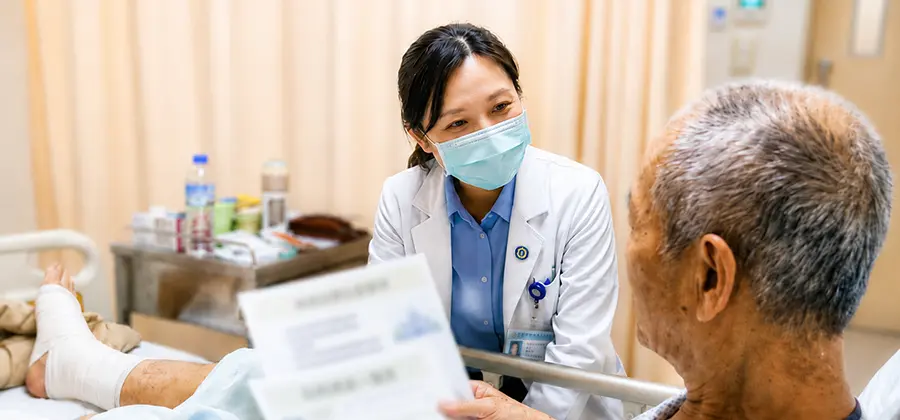
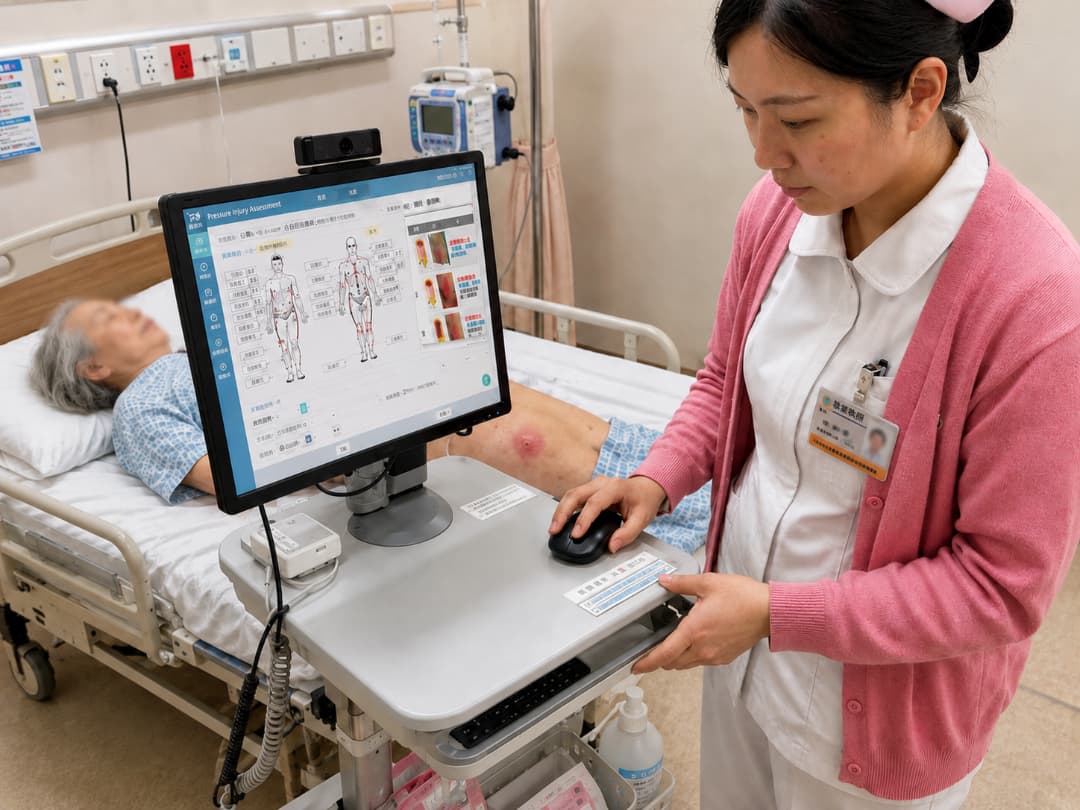
Our team includes specialists from gynecologic oncology, obstetrics and gynecology, radiology, pathology, nursing, case management nursing, clinical pharmacy, nutrition, social work, psychological counseling, pastoral care, physical therapy, respiratory therapy, IT programming, home care nursing, remote home service nursing, and discharge planning case management.
We offer seamless professional care from diagnosis to discharge, leveraging interdisciplinary collaboration and resource integration to improve the survival rates and quality of life for women with gynecologic cancer. This effort aligns with the hospital's vision of being recognized as a leader in service quality.
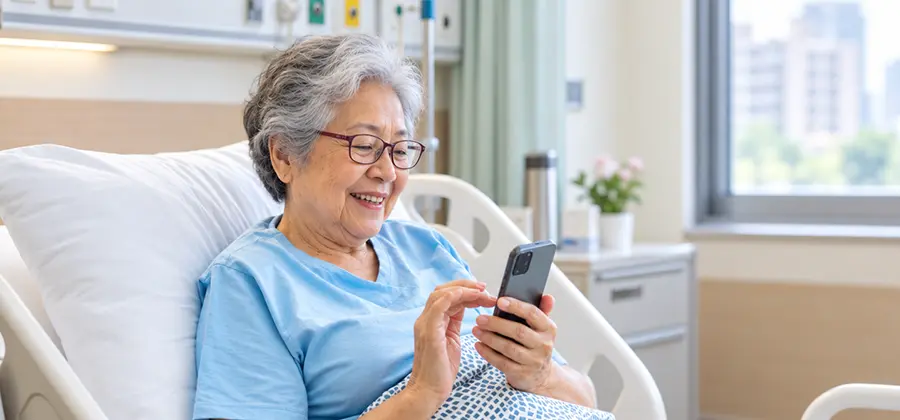
An AI-based platform featuring bi-directed interaction and dynamic assessment.
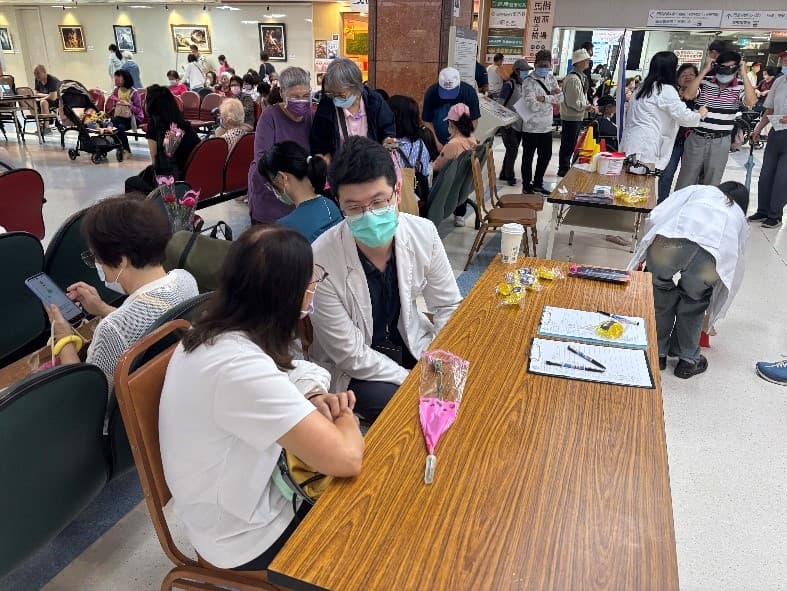
Direct TRM teams are activated to provide education on chemotherapy medications, nutrition and self-care support.
In 2025, there were 399 newly diagnosed gynecologic cancer cases.
In 2024, there were 395 newly diagnosed gynecologic cancer cases.
In 2023, there were 349 newly diagnosed gynecologic cancer cases.
In 2022, there were 335 newly diagnosed gynecologic cancer cases.
In 2021, there were 376 newly diagnosed gynecologic cancer cases.
Comparison of the survival rates for the three major types of gynecologic cancer at the Taipei Main Hospital and Tamsui Branch of MacKay Memorial Hospital with national averages and medical center averages:
A. Cervical Cancer (Only stage III patients have poorer prognoses; outcomes for other stages are comparable to or better than the national or medical center averages) .
B. Endometrial Cancer (Only stage IV patients have poorer prognoses; outcomes for other stages are comparable to or better than the national or medical center averages) .
C. Ovarian Cancer, Fallopian Tube Cancer, and Primary Peritoneal Cancer (Outcomes are comparable to or better than the national or medical center averages across all stages).
D. A dynamic, interactive artificial intelligence care platform for chemotherapy patients has been developed. This platform reduces the 14-day emergency department revisit rate due to chemotherapy-related adverse symptoms. The results have been published in an international journal, as detailed below:
Huang MY, Weng CS, Kuo HL, Su YC. Using a chatbot to reduce emergency department visits and unscheduled hospitalizations among patients with gynecologic malignancies during chemotherapy: A retrospective cohort study. Heliyon. 2023 May 1;9(5):e15798. doi: 10.1016/j.heliyon.2023.e15798. PMID: 37206031; PMCID: PMC10189172.
Our project, Heart-to-Heart Woman (Pay) ~ MacKay Memorial Hospital Gynecologic Cancer Cross-team Care Effectiνeness,' participated in the Outstanding Medical Care category at the 26th National Healthcare Quality Award (NHQA) in 2025 and was honored with the Gold Award, receiving high recognition.
We published our result in one international journal, summarized as below: "This retrospective cohort study evaluated whether using a Facebook Messenger-based chatbot to track patient-reported symptoms during chemotherapy could reduce emergency department (ED) visits and unscheduled hospitalizations for patients with gynecologic malignancies.Key FindingsStudy Size: The study compared 20 patients in the chatbot group (monitored by a cancer case manager who received automated symptom alerts) against 43 patients in the usual-care control group.Significant Reduction in ED Visits: Patients using the chatbot experienced a 73% reduction in emergency department visits compared to the usual-care group (aIRR = 0.27; p = 0.003).Significant Reduction in Hospitalizations: Patients using the chatbot experienced a 69% reduction in unscheduled hospitalizations (aIRR = 0.31; p = 0.028).ConclusionImplementing a chatbot-based symptom-reporting tool with automated clinical alerts significantly decreases both emergency room visits and unplanned hospital admissions for gynecologic cancer patients undergoing chemotherapy."(Huang MY, et al. Heliyon 9 (2023) e15798)
Join the international clinical trials, with the publications list as below (only part of all publication):
Tewari KS, et al; Investigators for GOG Protocol 3016 and ENGOT Protocol En-Cx9. Survival with Cemiplimab in Recurrent Cervical Cancer. N Engl J Med. 2022 Feb 10;386(6):544-555.
Oaknin A, et al; EMPOWER CERVICAL-1: Effects of cemiplimab versus chemotherapy on patient-reported quality of life, functioning and symptoms among women with recurrent cervical cancer. Eur J Cancer. 2022 Oct;174:299-309.
Oaknin A, et al. Cemiplimab in recurrent cervical cancer: Final analysis of overall survival in the phase III EMPOWER-Cervical 1/GOG-3016/ENGOT-cx9 trial. Eur J Cancer. 2025;5;216:115146.
Our hospital brings together healthcare professionals from various fields to form an interprofessional care team dedicated to providing holistic, integrated care for gynecologic cancer patients. Their respective roles and functions are as follows:
Physicians: Responsible for diagnosis, treatment, and regular follow-up monitoring.
Nurses: Provide inpatient/outpatient medical care and educate families on home care and dietary precautions. (3) Gynecologic Cancer Case Managers: Register cases, facilitate multidisciplinary meetings, and serve as the primary post-discharge contact.
Psycho-Oncologists: Provide psychological assessments, counseling, and referrals during treatment.
Dietitians: Offer nutritional assessments, education, and individualized dietary recommendations.
Telehealth Nurses: Provide continuous, remote healthcare services following patient discharge.
Pharmacists: Provide medication counseling, family consultations, and education for first-time anticancer drug administration.
Social Workers: Assist with psychological adjustment, manage equipment rentals, and aid in applying for social welfare resources.
Chaplains: Provide spiritual care, prayers, and emotional support to bring peace of mind to patients and families.
Discharge Planning Case Managers: Collaborate with the medical team and families to formulate and adjust individualized post-discharge care plans.