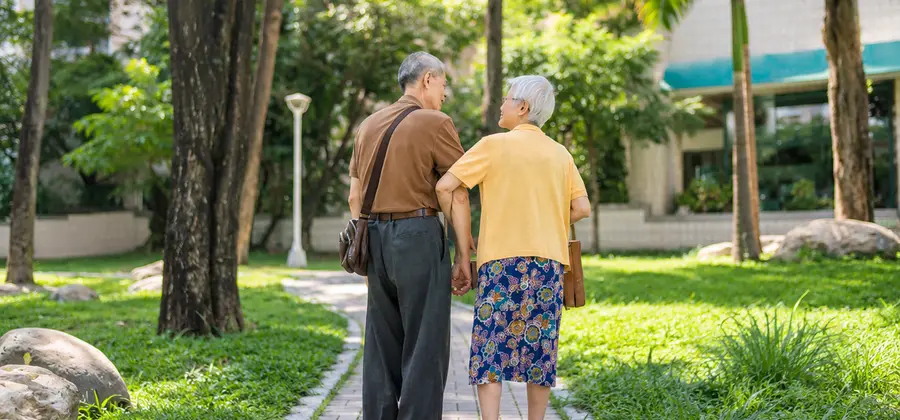
We serve rural residents, veterans, seniors, the mobility-impaired, maritime personnel, and overseas Taiwanese, bridging healthcare gaps and advancing health equity for all.
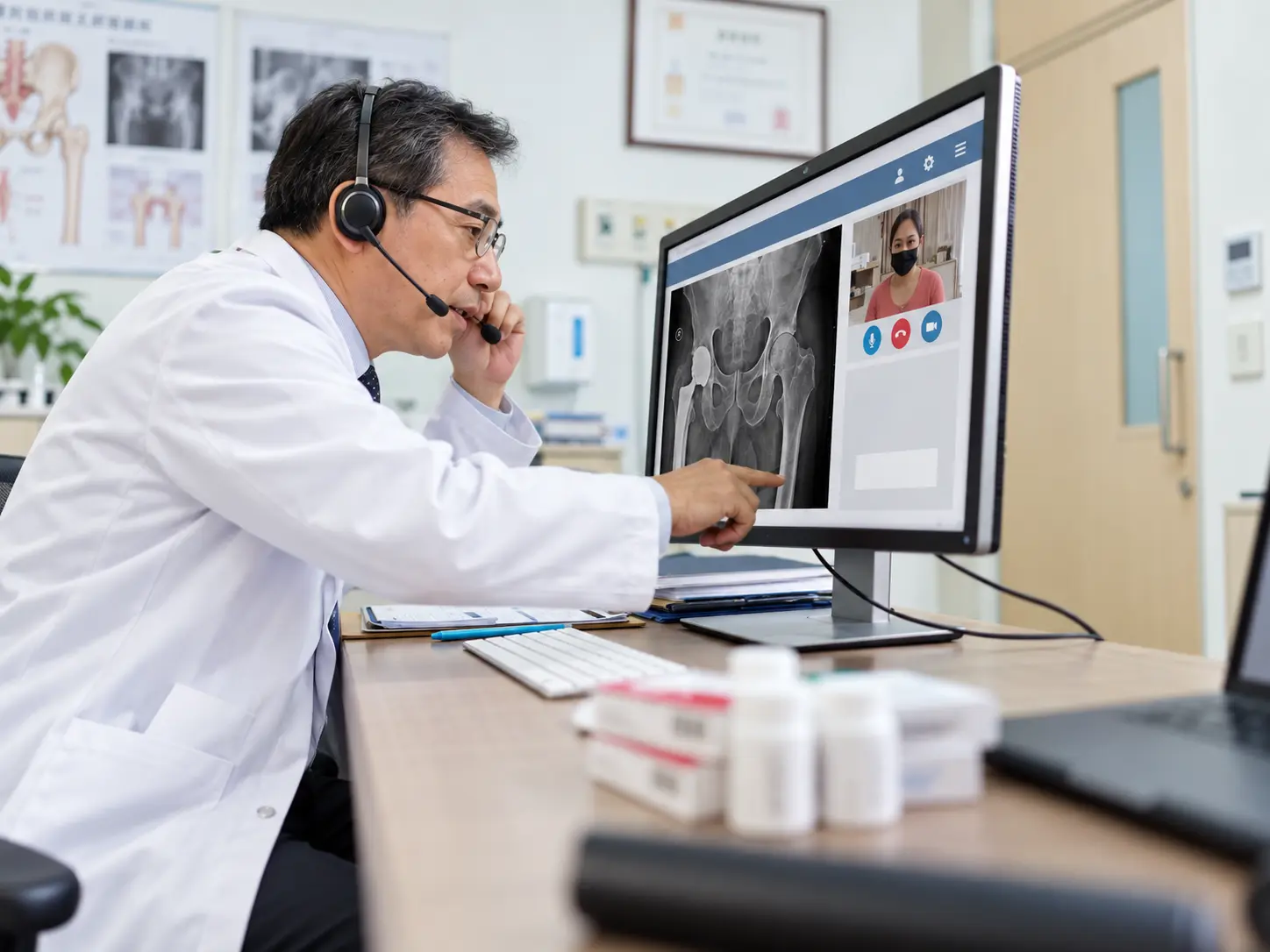
Kaohsiung Veterans General Hospital pioneered a telemedicine service model that integrates land, sea, and air, combining remote video consultations, intelligent mobile medical vehicles, in-home emergency care, ship-based telemedicine, and international telemedicine consultations. This breaks through geographical limitations and creates a holistic health care system that covers all times and all locations, putting into practice the core concept of "revolutionizing the medical frontier with technology."
A pioneering land, sea, and air integrated telemedicine model in Taiwan.
Intelligent mobile medical vehicles provide real-time X-ray, DXA bone density, AI osteoporosis interpretation, and multilingual report generation.
Utilizing Starlink satellite technology to enhance medical accessibility in maritime and remote areas.
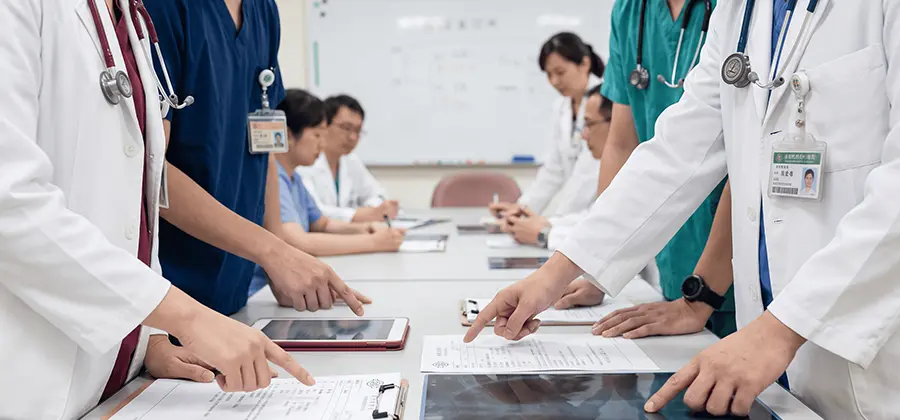
Cross-professional, cross-institutional, and public-private partnerships to establish a replicable service model.
Smart mobile medical outreach services have been conducted 186 times, serving nearly 30,000 people.
The number of people receiving telemedicine services has been growing year by year, exceeding 1,200 in 2025.
Diverse medical services are available in rural areas, veterans' homes, on ships, and internationally.
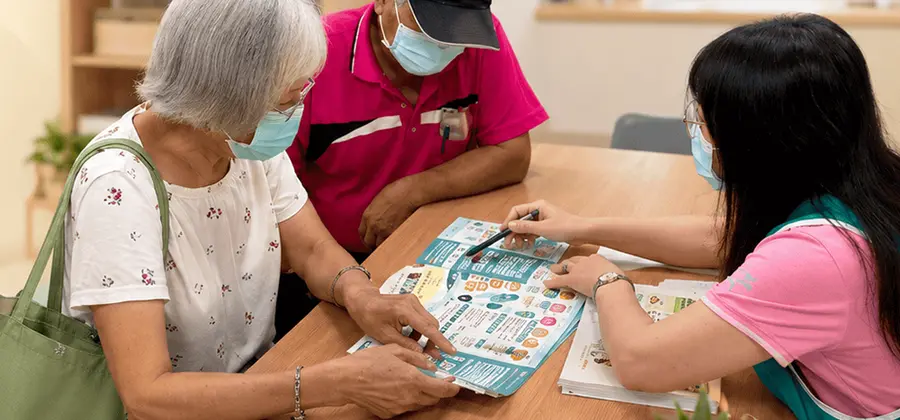
Effectively improved access to healthcare in rural areas and for vulnerable groups.
Successfully supported numerous cases of acute and critical illness in rural areas and emergency medical care at sea.
Established a cross-domain integrated care process, enhancing the quality of continuous healthcare services.
Fully compliant with regulations, including the "Regulations Governing Telemedicine" and relevant national health insurance plans.
Established a comprehensive information security protection mechanism to ensure the secure transmission of medical data.
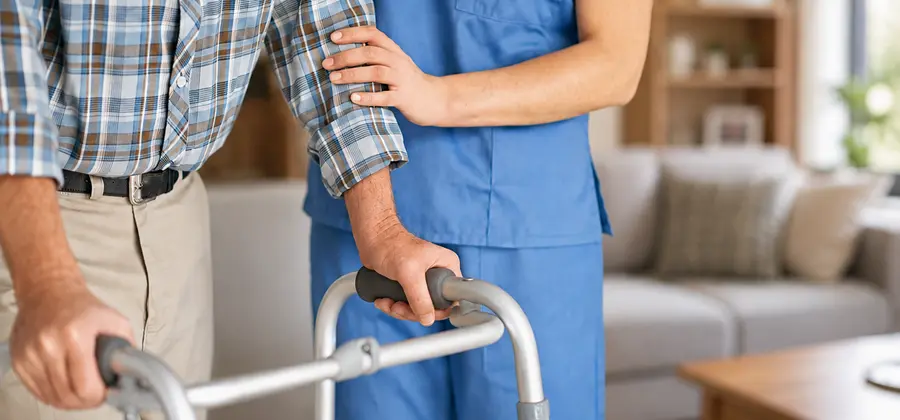
The intelligent mobile medical vehicle is equipped with an independent wheelchair lifting system to ensure the safety of patients with mobility impairments during examinations.
Residents of remote areas, veterans, and crew members generally gave it high praise.
Service satisfaction feedback shows that the public highly values its "convenience, immediacy, and professionalism."
Promote cross-border telemedicine and second-opinion services (covering Vietnam, France, the United States, etc.).
Establish an emergency evacuation and cross-border medical support mechanism for Taiwanese businesses overseas.
Construct a maritime medical care system that conforms to international standards.
Improved accessibility to healthcare in rural areas, at sea, and across borders, resulting in a significant improvement in overall healthcare quality.
Established standards for land, sea, and air telemedicine and mobile healthcare services, serving as a model for wider adoption.
Enhanced immediate diagnosis and continuous care, reducing the risk of delayed treatment and improving patient safety and care efficiency.
Promoted the effective use of medical resources and supported the sustainable development of healthcare in an aging society.
Expanded international telemedicine cooperation, showcasing Taiwan's influence in smart healthcare and health diplomacy.