Community Members (ranging from hospital staff to students and the general public)
1.Educational Promotion
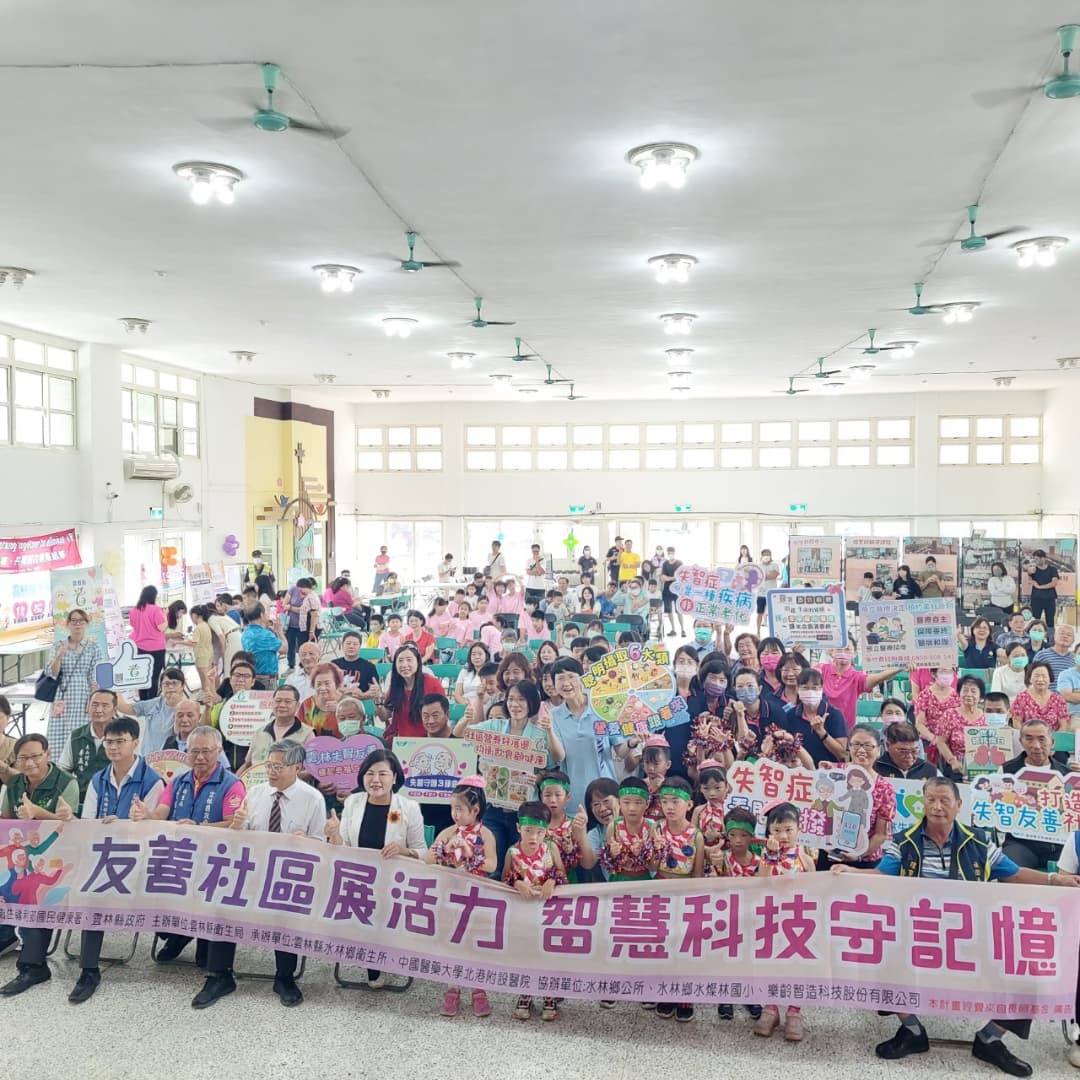
The Dementia Center conducts dementia awareness activities at one school each year, starting with education to enhance awareness and understanding of dementia from an early age.
2.Integration into Elementary School Curriculum
Target Audience: Fifth and sixth-grade elementary school students.
Each student serves as a representative of their family, bringing the course content home to expand the scope of awareness.
3.Awareness Goals
Increase understanding of dementia.
Reduce fear and bias toward individuals with dementia.
4.Awareness Methods
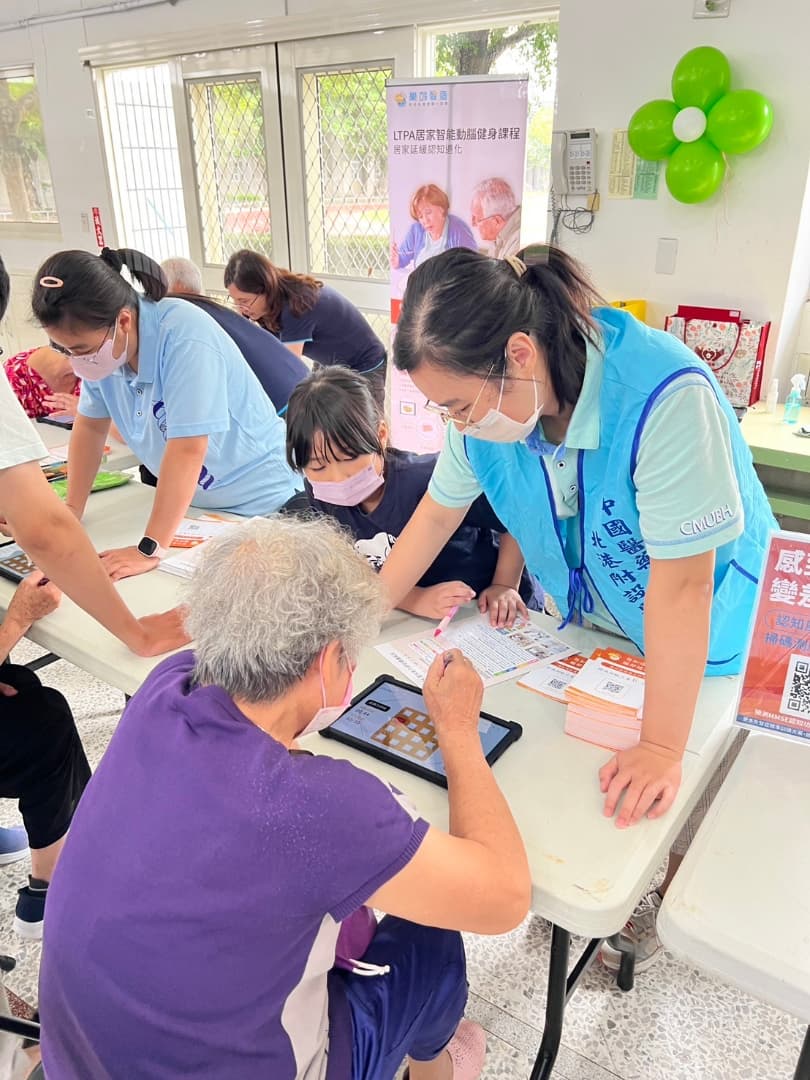
Utilize diverse media, such as videos, PPT presentations, and posters for awareness campaigns.
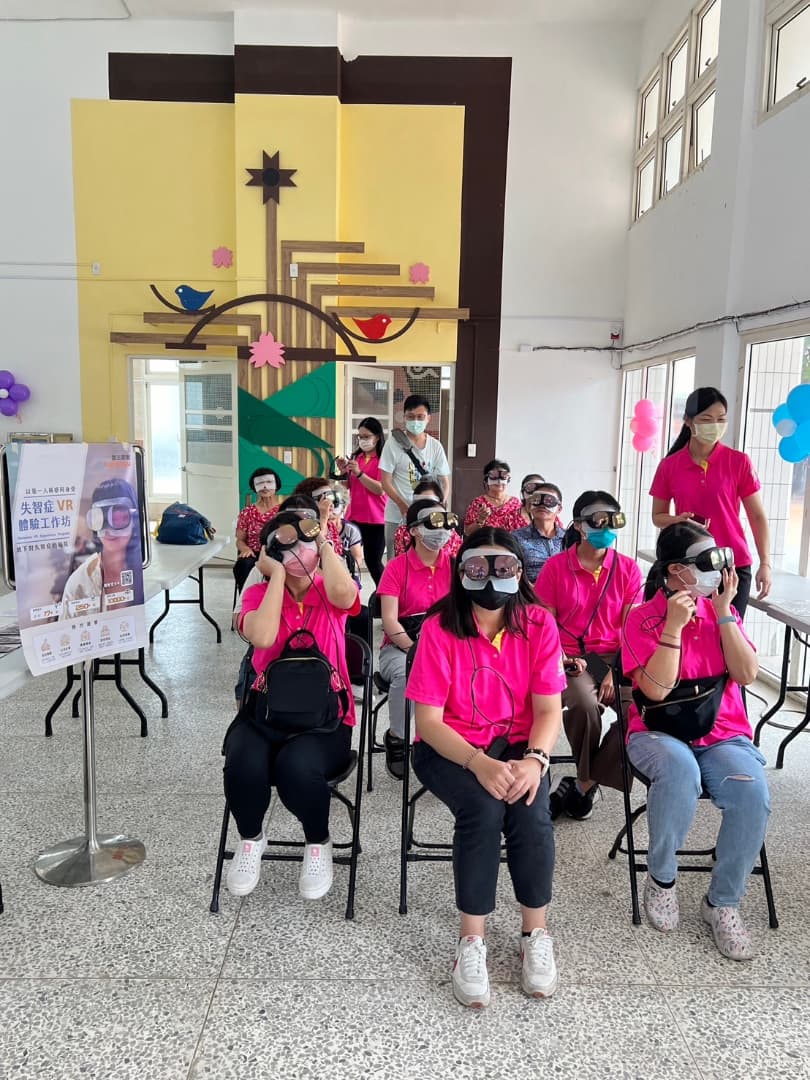
Incorporate smart technology to enhance experiential learning, such as VR technology, which offers first-person simulation experiences of dementia to deeply understand the fear and anxiety of individuals with dementia and foster empathy.
5.Promotion of Experiential Courses
Locations: Hospitals, schools, and communities.
Target Groups: Healthcare workers, students, the general public, and caregivers.
6.Expected Outcomes
Gain a deeper understanding of the dementia progression and behavioral and psychological symptoms.
Reduce conflicts caused by dementia and promote harmonious interactions.
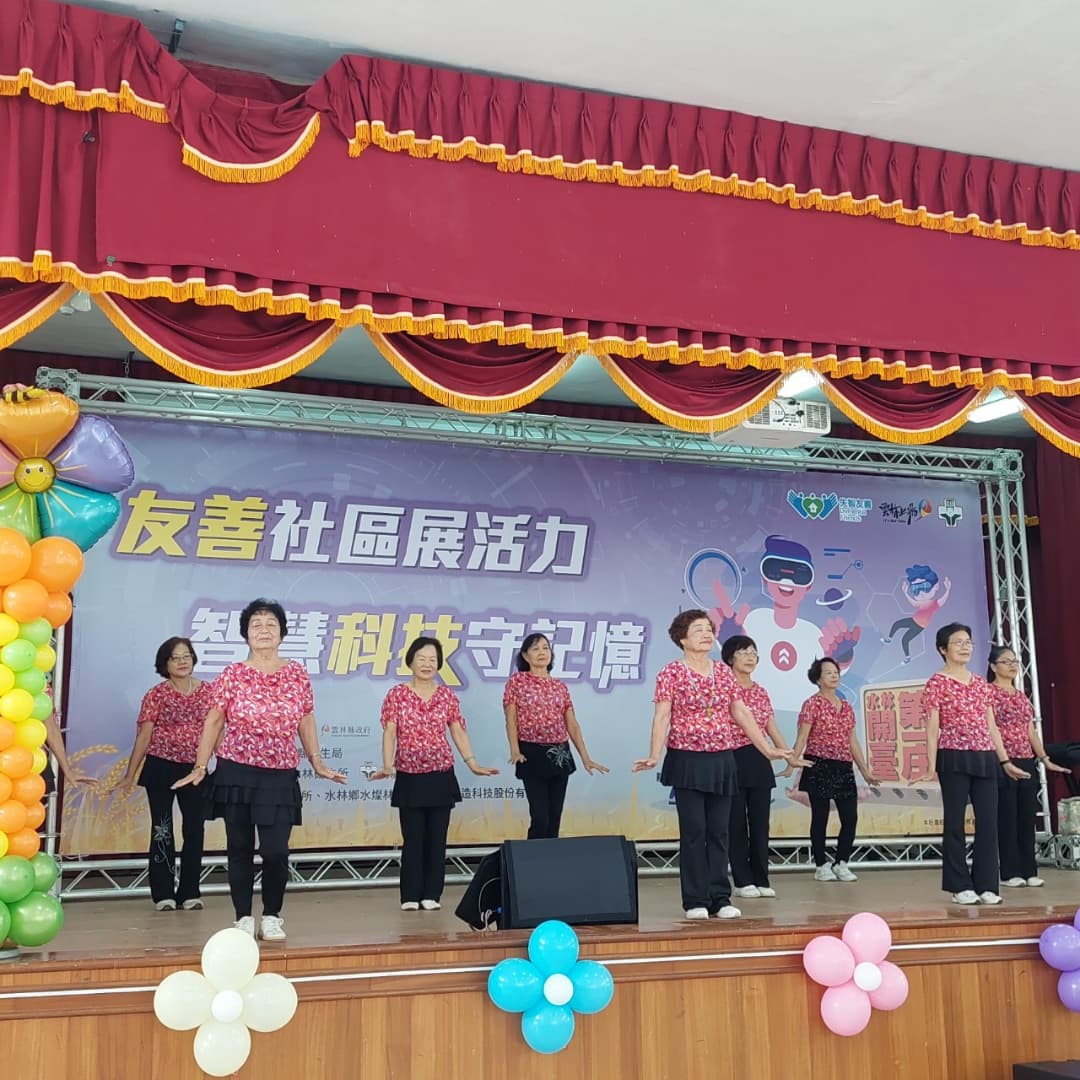
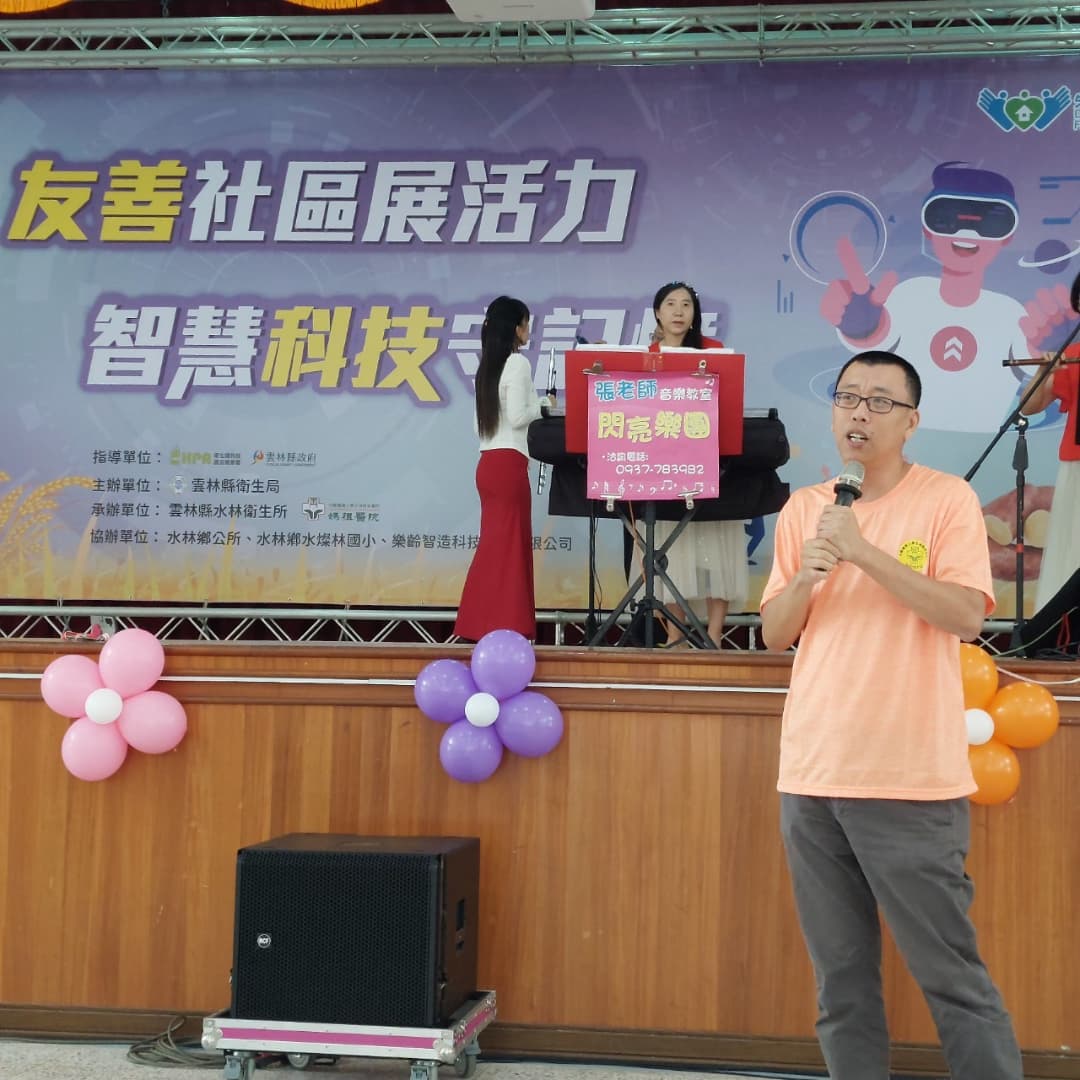
By recruiting Dementia-Friendly Angels and Dementia-Friendly Organizations, and organizing dementia-related awareness events and lectures, the aim is to attract more attention to dementia issues from various perspectives. This effort promotes accurate understanding of dementia, gradually building dementia-friendly communities. The goal is to enable individuals with dementia to live independently within their communities, delay institutional placement, reduce caregiving costs, and improve the quality of life for both individuals with dementia and their caregivers.
The Dementia Center actively identifies hidden cases by collaborating with hospitals or communities to organize activities such as health promotion or large-scale health screenings. Over the years, dementia screening sessions have been held as follows:
In 2021: 2 sessions screened 47 people, identifying 16 suspected cases.
In 2022: 5 sessions screened 497 people, identifying 212 suspected cases.
In 2023: 5 sessions screened 512 people, identifying 125 suspected cases.
The reduction in suspected cases can be attributed to two main factors:
1.Successful awareness campaigns that encourage people to seek medical attention proactively.
2.The Dementia Center's active efforts in refining the diagnosis and treatment process, leading to improved diagnostic rates.
Conduct joint dementia care liaison meetings and contact dementia community service bases based on 1. Fund implementation rate, 2. Case diagnosis status at the base, 3. Attendance status of various courses, 4. Feedback after infection control visits, 5. Base execution Review items such as difficult points (such as manpower, number of cases, and expense write-offs, etc.) to help improve the capacity and quality of care centers and bases, and to connect the community, long-term care, social workers, bases and other related staff to collaborate and share resources. There is also annual supervision and assessment, which is evaluated based on three major projects, including case management, administrative management and publicity, and cooperating with local government administrative operations. The assessment results are included in the year-end assessment scores.
The overall satisfaction survey conducted by the dementia center in the community is divided into actual after-school surveys with elders at the base and canteen. Since most elders are illiterate, simple questions will be asked: 1. The difference between dementia symptoms and forgetfulness, 2. If you know it, Medical category, 3. Seek help (relevant long-term care resources or welfare, anti-lost resources), conduct pre- and post-tests with true and false questions, and respond to the satisfaction survey using hand gestures, raising circles or crosses with both hands, the overall satisfaction level is very satisfied Both reached more than 90%. In addition, for attendant or professional courses, a satisfaction survey was conducted using an online form, and the overall satisfaction rate was 97 to 99%. This year, the Dementia Center also conducted a telephone interview satisfaction survey on closed cases. It was divided into three categories: satisfactory, ordinary, and unsatisfactory. The overall satisfaction level fell into 70% to 80% of satisfied, 10% of ordinary, and the dissatisfied part was surveyed. Analyze the reasons such as long waiting time, no home visits at the dementia center, different health education and care skills from the same person, referral to long-term care but unavailable (CMS level 1), and start to develop processes that can be improved.
A satisfaction survey of service users (cases) in 2025 was conducted using a Likert scale, divided into 5 levels from "very dissatisfied" to "very satisfied". The results showed that 0% were very dissatisfied, 17% were dissatisfied, 20% were neutral, 63% were satisfied, and 0% were very satisfied. Based on the investigation of the reasons for dissatisfaction, improvement measures were implemented. For example: 1. If a case's long-term care CMS level was insufficient to apply for services, the dementia center and the long-term care center coordinated to assess the case's needs and discuss the required services for application. 2. If the shuttle bus service was infrequent and difficult to access, the dementia center assisted in resource applications, such as long-term care rehabilitation buses, disabled buses, or the use of local transportation.
The hospital's Dementia Collaborative Care Center undertook the Dementia Care Service Program, with supervision and on-site inspections conducted by the Long-Term Care Division of the Yunlin County Government. Evaluation criteria were established, and the assessment results for 2021 and 2022 were rated as excellent.
In 2023, the total number of individual management cases in the total care center will be 1,251 (including the number of closed cases), and the case management service will be 838 people. The diagnosis rate of dementia cases is 455 (actual value)/200 (target value) = 227.5%. The number of cases is 838 (actual value)/524 (target value) * 100% = 159.9%, all of which have reached the standard. On the medical side, improve the diagnosis rate, detect early, and provide complete medical care services (drugs and non-drug intervention) as early as possible. Provide dementia-related knowledge and resource referrals in the community, and establish a complete care network.