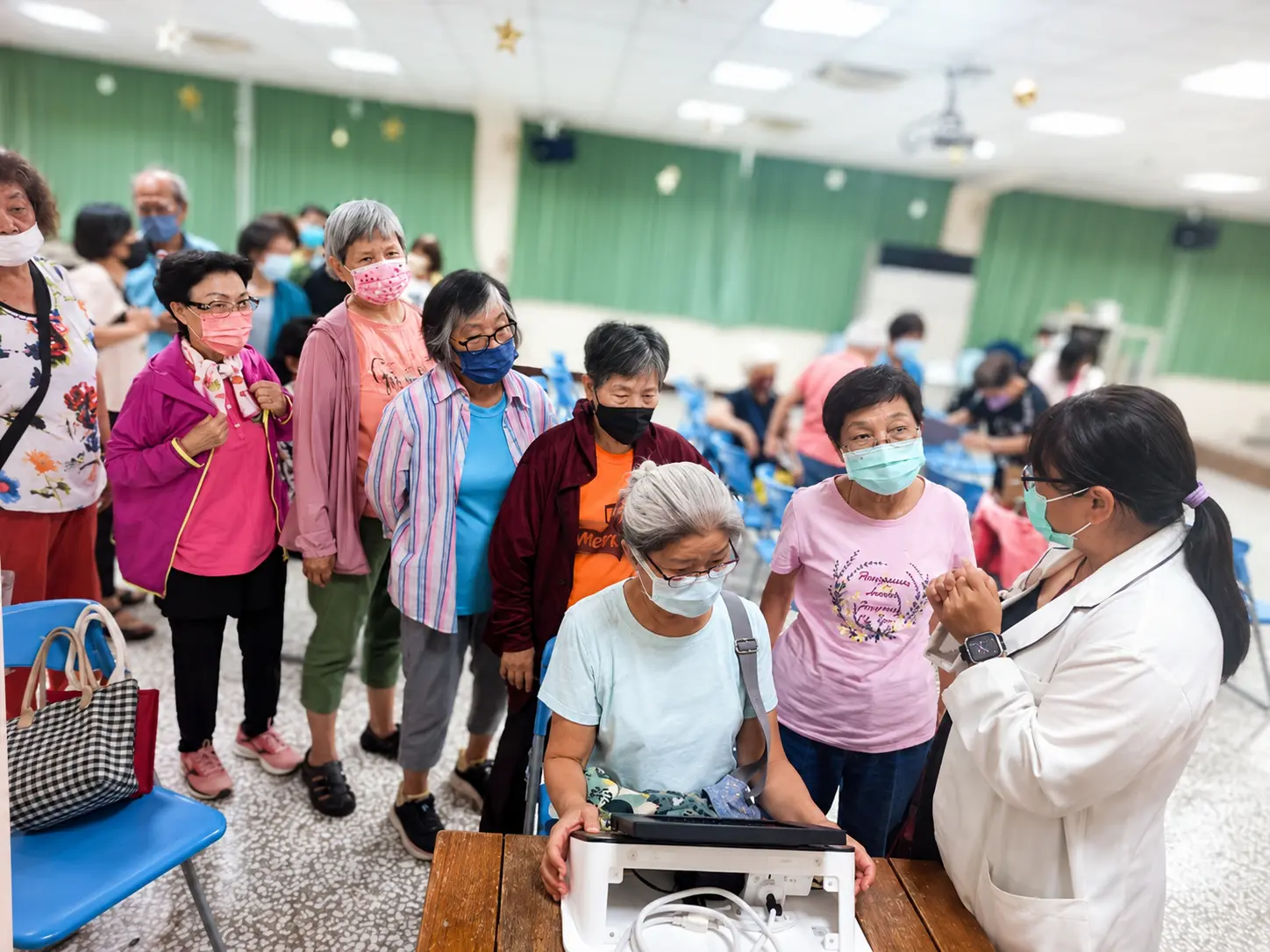
Local elderly and high-risk groups with hypertension, hyperglycemia, hyperlipidemia, atrial fibrillation. Acute ischemic or hemorrhagic stroke and post-stroke patients requiring PAC rehabilitation.
Integrating upstream, midstream, and downstream services into a streamlined team, encompassing three integrated teams: Emergency, Inpatient, and Community Teams: Acute Stroke Treatment Team, Holistic Stroke Healthcare Team, and Community Stroke Prevention and Control Team.
Protecting remote areas, providing convenient medical care
No medical university / No medical center / No highway
Integrating upstream, midstream, and downstream resources into a streamlined team
Fire department / Public sector: Stroke identification / Emergency medical care / Cross-hospital and cross-county resource integration
Local medical groups / Health clinics / Patient associations: Stroke prevention and health education
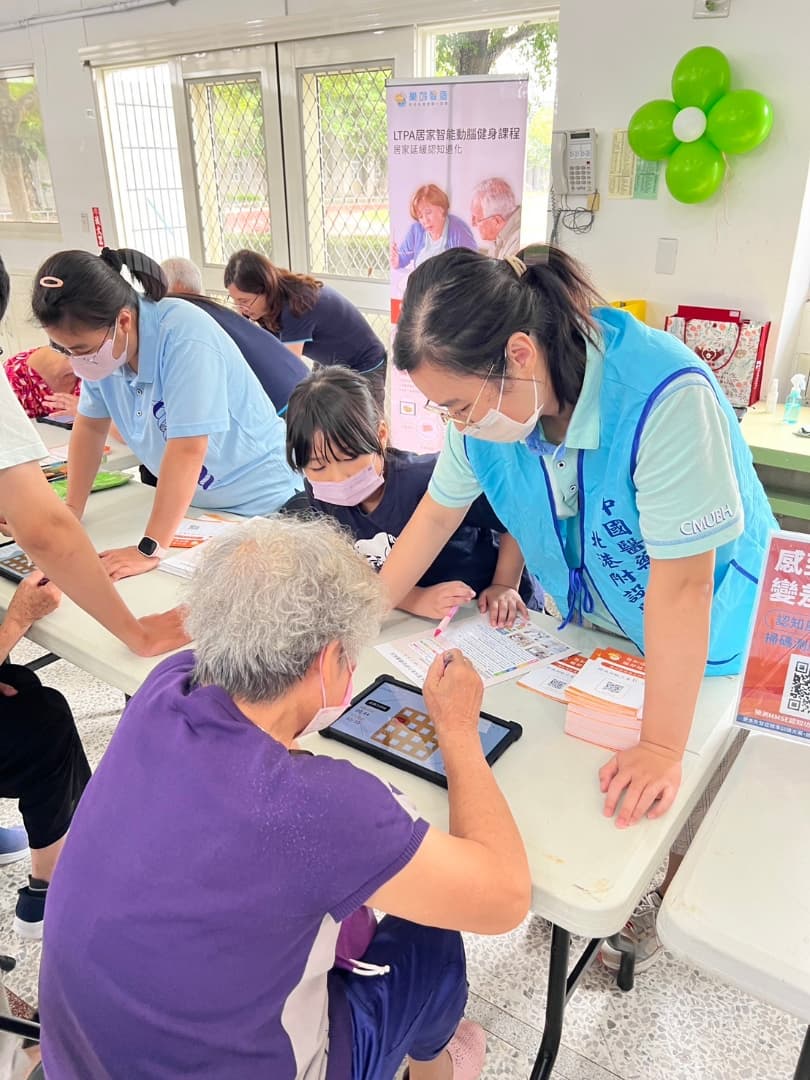
Dementia co-creation centers / Dementia-friendly communities
100% of acute ischemic stroke patients meeting the criteria for thrombolysis received intravenous thrombolytic therapy.
100% of patients screened for dysphagia.
100% of patients with atrial fibrillation at discharge were using anticoagulants.
96.3% of patients at discharge were using lipid-lowering medications.
The proportion of acute ischemic stroke patients receiving intravenous thrombolytic therapy in the emergency department was 15.4%.
The proportion of acute ischemic stroke patients receiving intravenous thrombolytic therapy among all eligible acute ischemic stroke patients was 100%.
The screening rate for dysphagia was 100%.
The rate of patients with atrial fibrillation using anticoagulants at discharge was 100%.
The rate of patients using lipid-lowering drugs at discharge was 96.3%.
89.6% of stroke patients received rehabilitation assessment or treatment.
50% of stroke patients received Traditional Chinese Medicine (TCM) assessment or treatment.
100% of acute stroke patients who smoked received smoking cessation education during hospitalization.
0% of emergency ischemic stroke patients who received intravenous thrombolytic therapy developed symptomatic intracerebral hemorrhage.
100% of patients with acute ischemic stroke/transient ischemic attack (TIA) received antithrombotic therapy within 24 hours of arrival at the hospital.
The rate of symptomatic intracerebral hemorrhage among emergency acute ischemic stroke patients receiving intravenous thrombolytic therapy was 0%.