I. First aid training for healthcare workers, EMTs, volunteers, and the public. II. Medical stations for mass events, organizers, and government agencies.
First aid education and training:
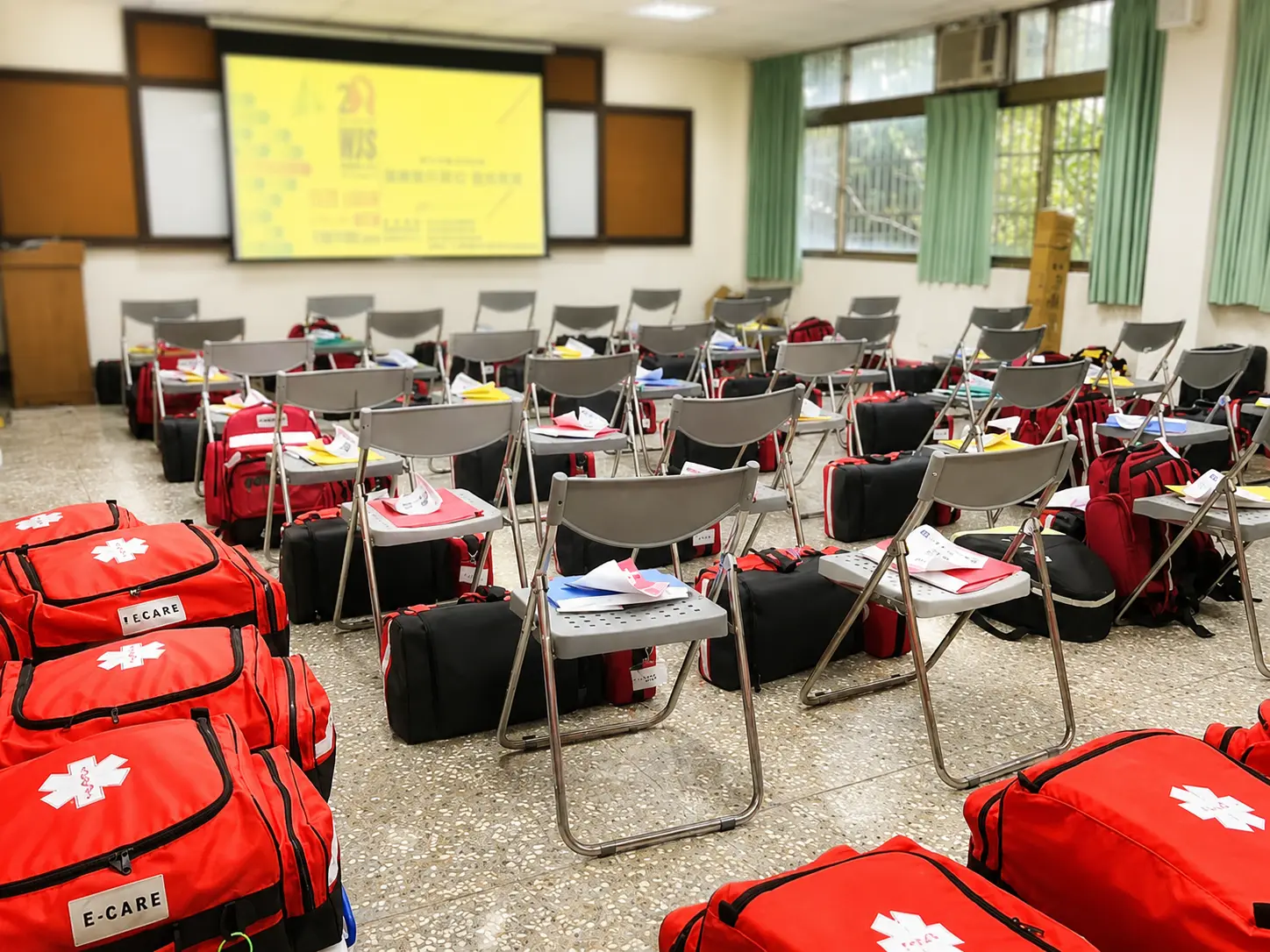
The emergency and critical care medicine team offer all level of education and training courses for everyone.
The course includes basic life Support (BLS) for the public, Emergency medical technicians training course, advanced cardiac life Support (ACLS) for medical staff, et al.
Starting with the basic first aid education for public to improve their first aid literacy as well as improving professionals’ skills to create a safe environment.
Mass gatherings Emergency medical services:
Assist in planning and suggesting for setting up the medical stations.
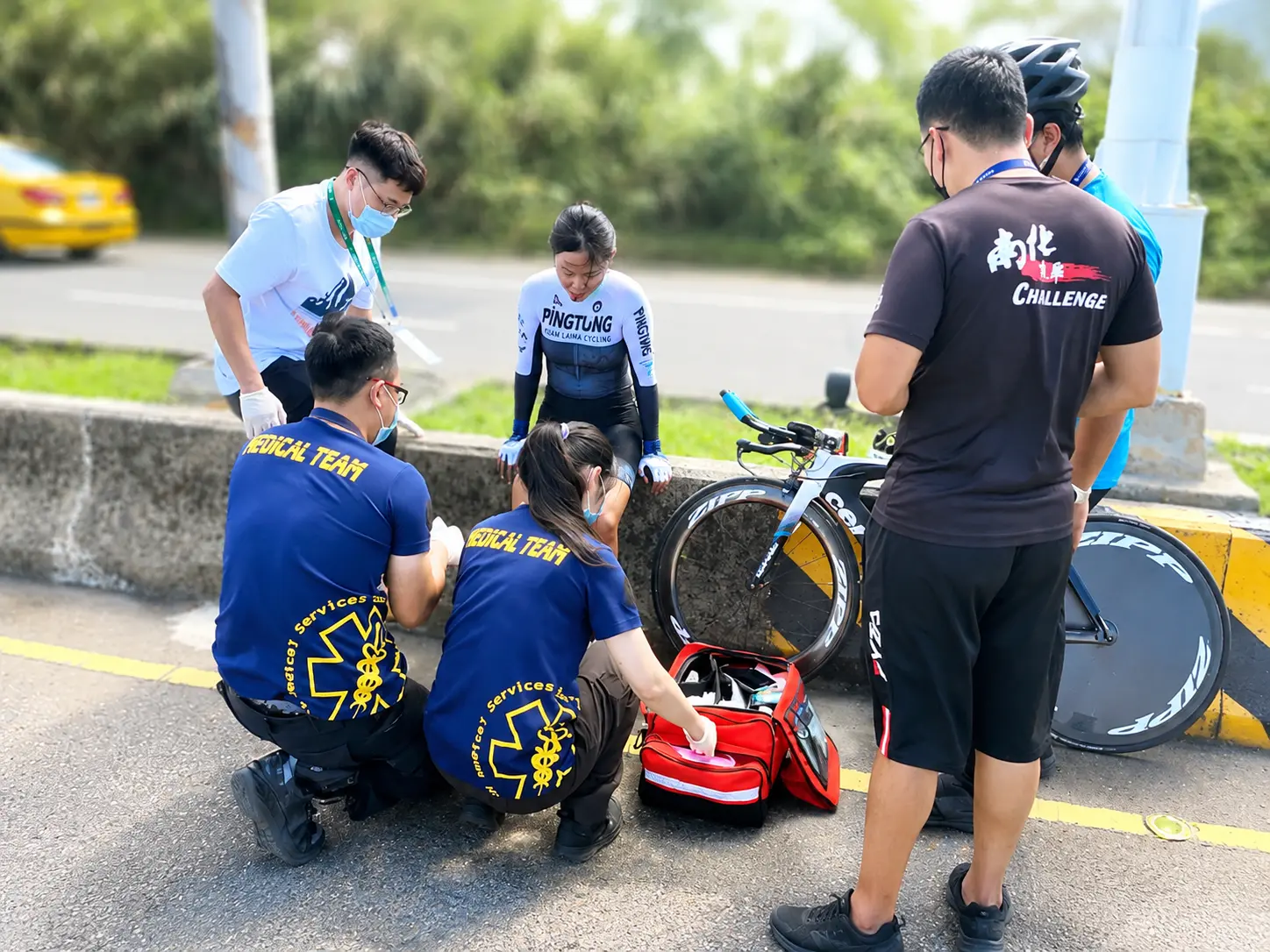
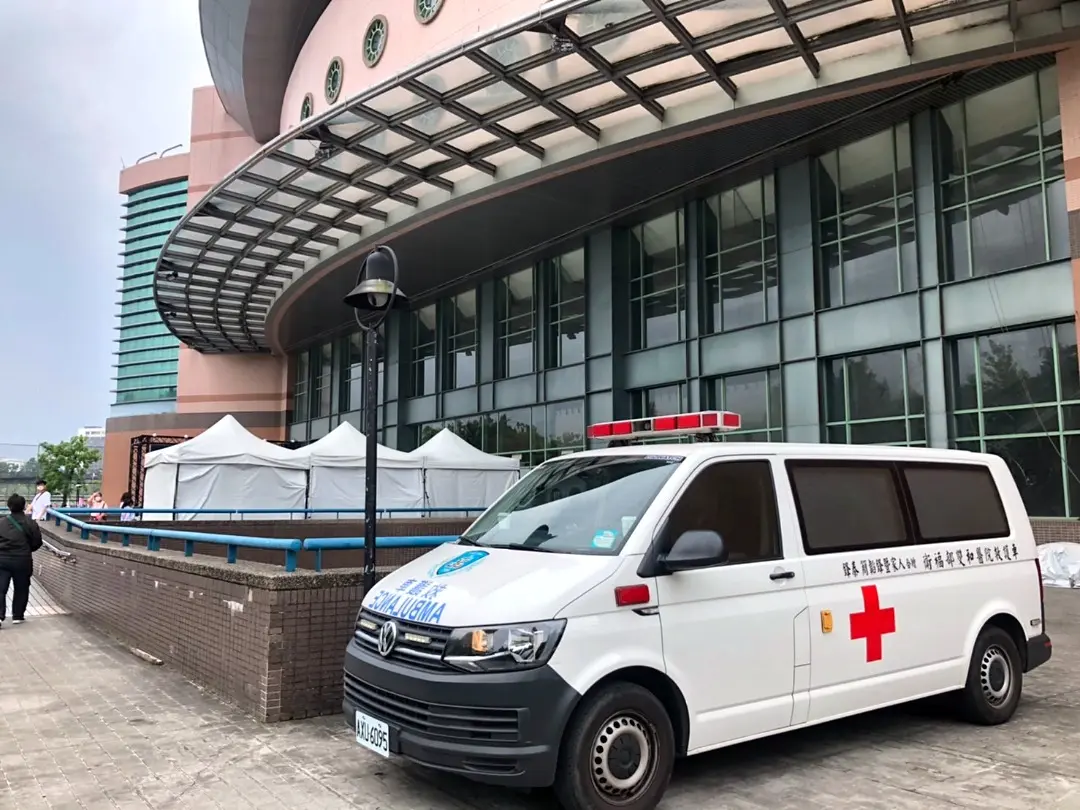
Professional medical teams with integral medical equipment and rescue resources (including ambulance kits, medical supplies, AEDs, ambulances, etc.) to provide emergency rescue medical services for varying mass gatherings.
Integrate professional, technical and experienced medical staff and information technology personnel to establish a scientific and efficient emergency rescue team.
Based on technological management, we can get a handle on the comprehensive dynamics of medical stations in real time, and cooperating with GPS to track the ambulances in real time to provide emergency ambulance services quickly.
.Provided medical station support on 2,186 occasions.
.Deployed physicians on 1,245 occasions.
.Deployed nurses on 3,197 occasions.
.Deployed emergency medical technicians on 2,860 occasions.
.Ambulance standby assignments totaled 2,234.
.Established 508 medical stations for the Universiade.
.Peak daily deployment of 34 physicians.
.Peak daily deployment of 69 nurses.
.Peak daily standby of 41 ambulances.
.Provided medical support at 2,186 station shifts.
.Ambulance standby coverage: 2,234 deployments.
.Physician support: 1,245 shifts.
.Nursing staff support: 3,197 shifts.
.EMT support: 2,860 shifts.
.Completed 508 station shifts for the Universiade.
.Peak standby capacity of 41 ambulances in a single day.
.Established Standard Operating Procedures (SOPs) for medical stations at large-scale events.
.Staff credential checks before events.
.Three backup communication systems.
.Pre- and post-event equipment checks.
.Risk-based staffing and ambulance plans.
.2,234 ambulance standby deployments.
.Online medical direction available.
.Conduct vendor satisfaction surveys during the event.
.Conduct public satisfaction surveys during the event.
.Incorporate survey results into the post-event review.
.Continuously optimize the medical station's Standard Operating Procedures (SOPs) based on feedback.
.Provide timely and appropriate medical services.
.An AHA-recognized training center in the United States.
.One of 15 AHA centers across Taiwan.
.Utilizes AHA BLS and ACLS courses.
.Established the nation's first dedicated unit of its kind.
.Establish standards for medical stations at large-scale events.
.Enhance the efficiency of on-site emergency care and patient transport.
.Allocate personnel, vehicles, and equipment based on risk assessment.
.Strengthen inter-hospital and cross-jurisdictional EMS cooperation.
.Develop personnel skilled in emergency care and event medical support.
.Improve dispatch efficiency through digital management.
.Safeguard the well-being of the public participating in events.