Patients For Obstructive Sleep Apnea Patients in Southern Taiwan
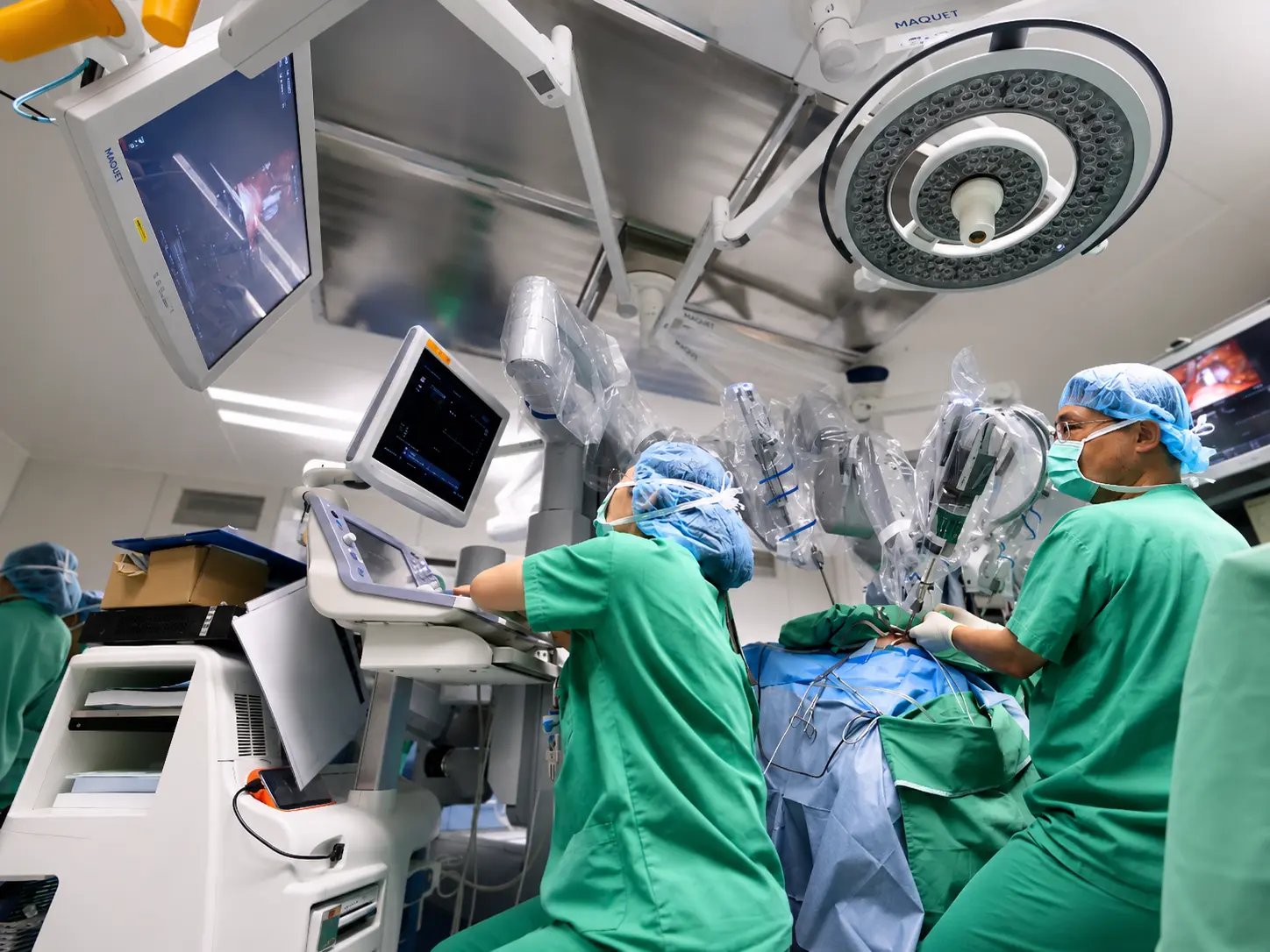
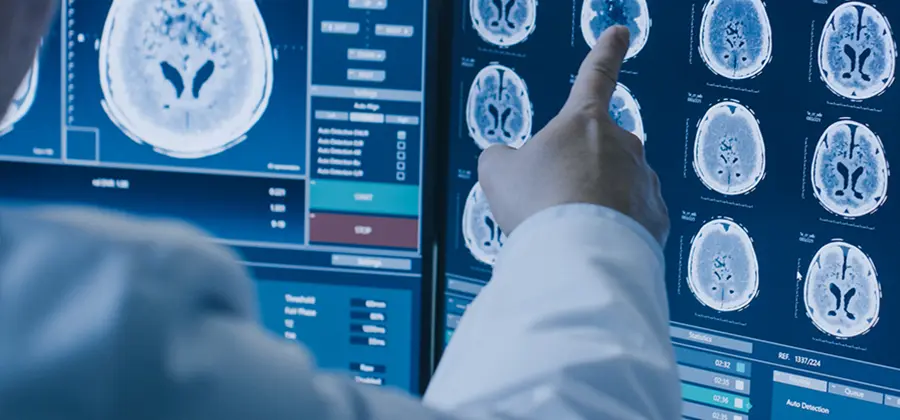
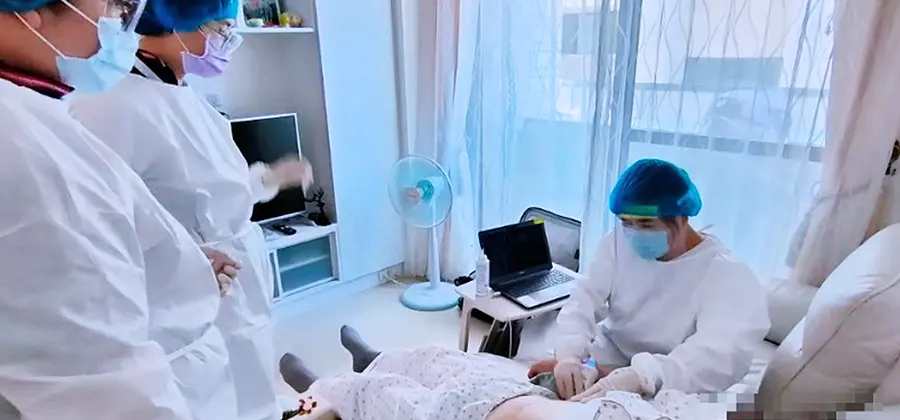
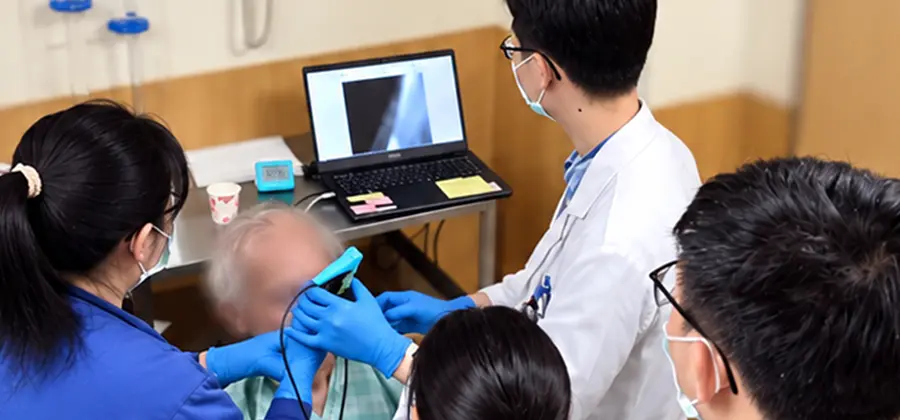
The Sleep Center at National Cheng Kung University Hospital (NCKUH) has established a comprehensive "one-stop" service by integrating multiple specialties to provide complete medical care for high-risk obstructive sleep apnea cases. Transoral robotic surgery (TORS) has been proven in the literature to be effective in treating multi-level obstructive sleep apnea. However, lingual artery injury is one of the most common major complications during tongue base reduction surgery. Our team has pioneered the use of intraoperative ultrasound to real-time locate the lingual artery, ensuring that the tongue base tissue can be removed without injuring the lingual artery and causing massive bleeding. This also improves the efficiency of tongue base reduction and post-operative symptom improvement. On the other hand, for patients who do not undergo surgery and rely on positive airway pressure devices, we have also strengthened counseling services to improve treatment compliance. In addition, we have collaborated with the College of Medicine, College of Electrical Engineering and Computer Science, and College of Engineering at National Cheng Kung University to establish a cloud-based intelligent sleep interpretation, home sleep monitoring system, and intelligent cloud-based sleep interpretation platform system, dedicated to promoting sleep medicine.
Intraoperative Ultrasound-Guided Transoral Robotic Surgery Reduces the Risk of Lingual Artery Injury and Achieves Safe and Efficient Surgical Outcomes.
After optimizing the one-stop integrated service, the annual average number of cases of transoral robotic sleep surgery reached 23.2, and as of August 31, 2024, 20 cases have been performed. It is estimated that the total number of surgeries this year will exceed the previous record.
Intraoperative ultrasound-guided transoral robotic surgery reduced the apnea-hypopnea index (AHI) by 22.59/hour, improved minimum oxygen saturation during sleep to 71.24%, and increased sleep efficiency by 4.63%. The postoperative endotracheal tube dislodgement rate was 0%, and the postoperative mortality rate was 0%.
The postoperative bleeding rate of our team's intraoperative ultrasound-guided transoral robotic surgery: 1.4% (average bleeding rate in academic literature: 4.2% ~ 5.3%)
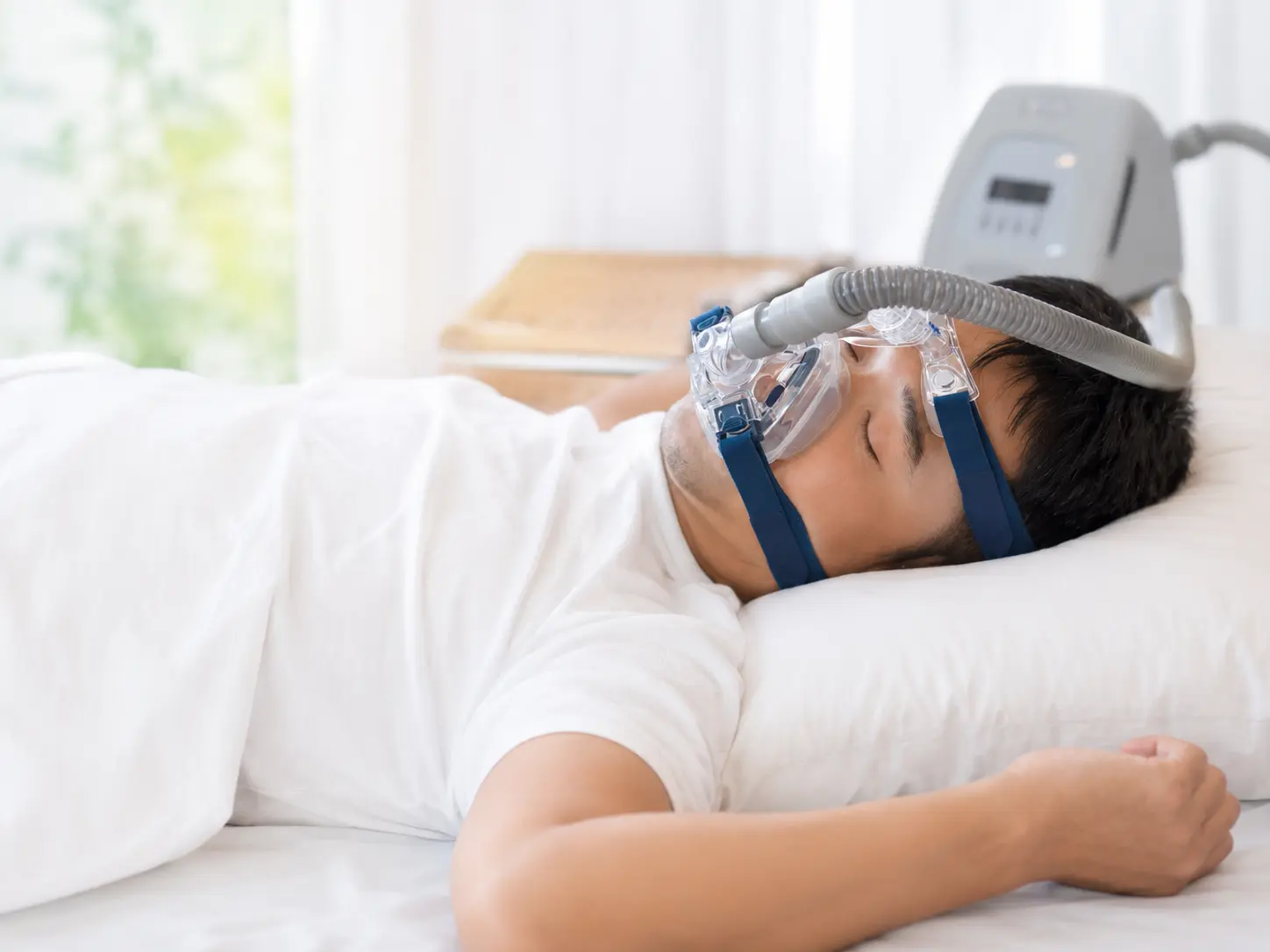
The Sleep Disorder Care Consultation Center is committed to improving the compliance of positive airway pressure therapy. The previous average compliance rate was 53.1%, which has increased to 56.6% after the one-stop integrated service.
5-year post-TORS mortality: 0%
Accidental extubation rate: 0%
Re-operation for bleeding: 0%
Lingual artery injury rate: 0%
Medical staff attitude: 5.86/6
Environment neatness: 5.76/6
Ward care satisfaction: 4.6/5
Post-TORS case satisfaction: 9+/10
CPAP adherence rate: 56.6%
Published a paper in a Q1 journal in the field of otolaryngology with an impact factor of 3.325.
The highest field-weighted citation impact factor of the published paper reached 4.98.
Established nursing procedures for transoral robotic surgery (TORS) in collaboration with the operating room nursing team to ensure the quality and efficiency of the process.
Established postoperative care process standards with the otolaryngology ward care team. The nursing team also adheres to the nursing standards for obstructive sleep apnea surgery, effectively implementing nursing focuses to ensure patient safety at every level.
Standardized the presentation of multi-channel sleep physiological examination reports in the sleep center and strived to standardize the interpretation of each technician. In addition, the anesthesia standard procedure for drug-induced sleep endoscopy (DISE) in collaboration with the anesthesiology team was established to ensure patient safety.
Established a standard operating procedure for continuous positive airway pressure (CPAP) medical care in the sleep disorder care consultation center to ensure that each CPAP case receives appropriate counseling.