Men with azoospermia
Non-obstructive azoospermia patients
Obstructive azoospermia patients
Male infertility patients
Assisted reproduction candidates
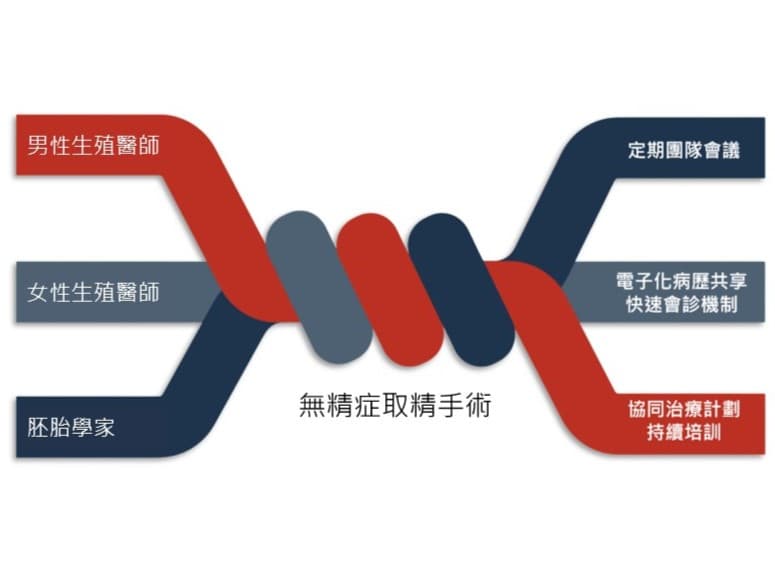
Azoospermia affects approximately 1% of men and represents a major cause of male infertility. Nearly 70% of cases are classified as non-obstructive azoospermia (NOA), a condition often associated with impaired spermatogenesis and unclear etiology. The reproductive medicine team at Taipei Veterans General Hospital integrates andrology specialists, reproductive endocrinologists, and embryologists to provide a comprehensive precision-medicine approach. Through etiologic evaluation, genetic testing, hormonal assessment, microdissection testicular sperm extraction (micro-TESE), and assisted reproductive technologies, individualized treatment strategies are developed. The team further incorporates artificial intelligence, proteomics, and biomarker research to predict sperm retrieval outcomes, optimize treatment decisions, and reduce unnecessary invasive procedures.
Highlights:
Precision medicine program for azoospermia
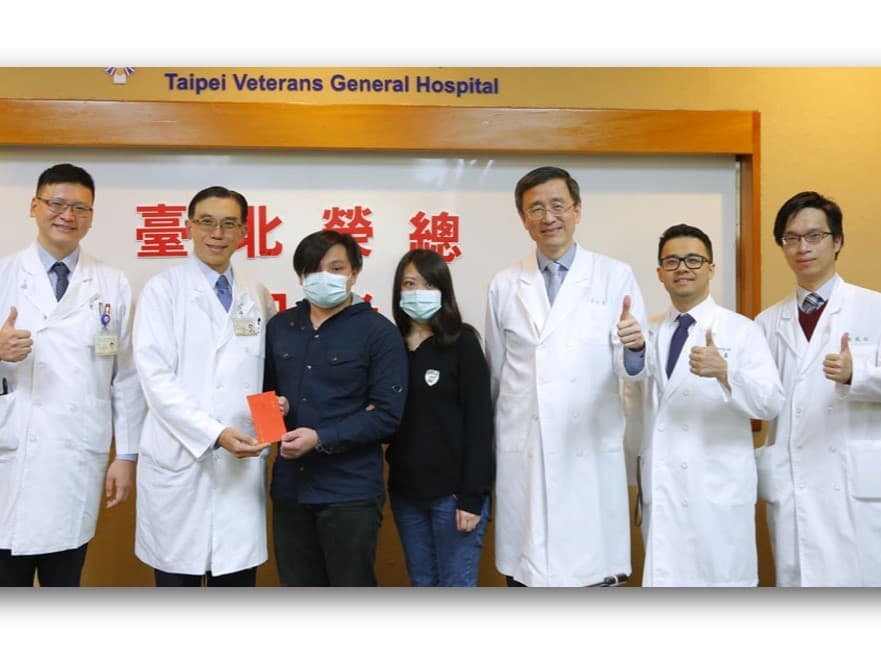
Multidisciplinary reproductive medicine team
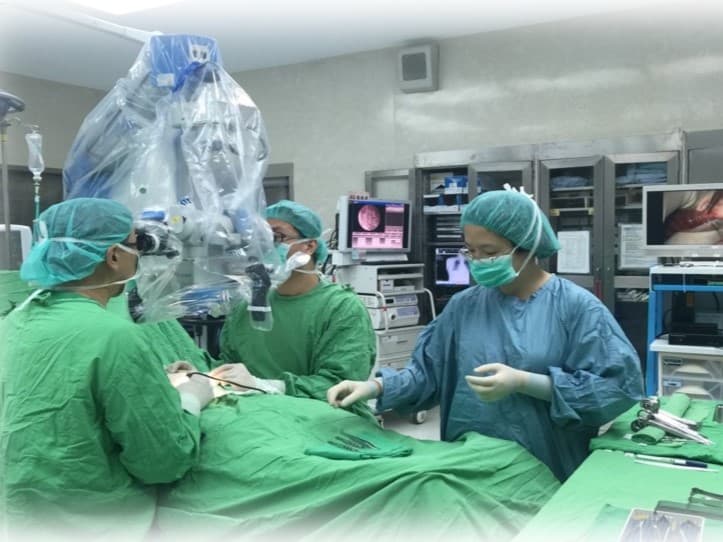
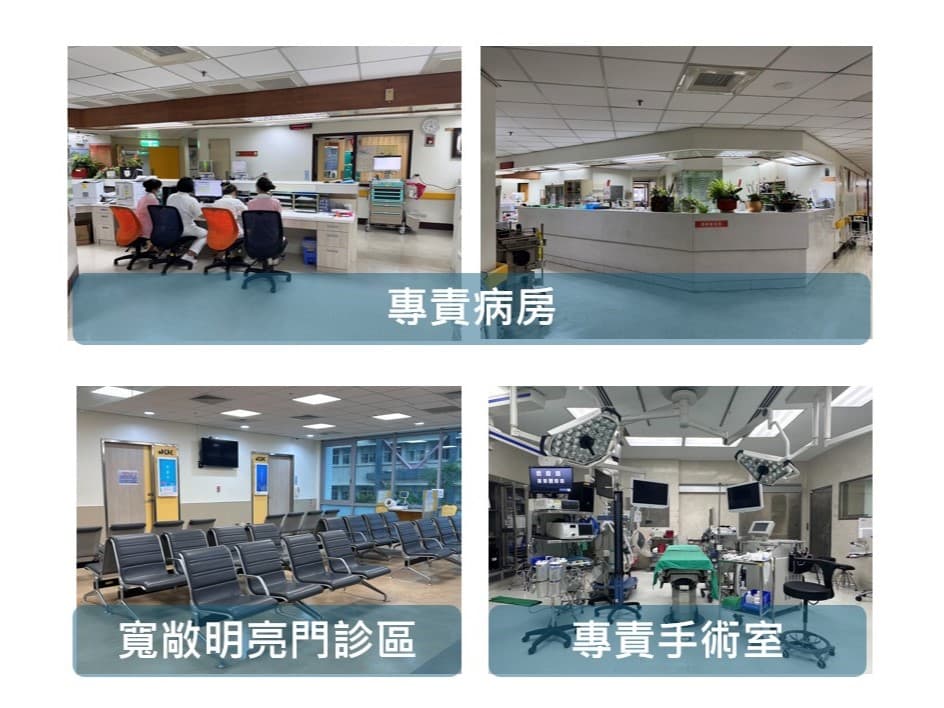
Specialized micro-TESE center
Key Advantage:
Sperm retrieval outcome prediction
Etiology-based individualized treatment
Reduced unnecessary invasive procedures
Innovation:
AI-assisted smear interpretation
Testicular interstitial fluid proteomics
Hormonal biomarker prediction models
More than 100 micro-TESE procedures annually
Over 600 cumulative micro-TESE procedures in five years
Nearly 95,000 outpatient visits annually
Comprehensive male infertility evaluation pathway
90% sperm retrieval rate in hypogonadotropic hypogonadism
82.6% sperm retrieval rate in cryptorchidism
74.5% sperm retrieval rate in AZFc microdeletion
Blood-based prediction model for sperm retrieval success
Reduced unnecessary surgery through outcome prediction
Standardized micro-TESE workflow
Intraoperative rapid smear assessment minimizes tissue damage
Multidisciplinary discussion enhances patient safety
Improved patient decision-making through personalized care
Reduced repeat procedures and treatment burden
Enhanced opportunities for successful fertility treatment
Media Exposure:
https://www.mdnkids.com/content.asp?Link_String_=20A100000WDOINY
Multiple publications in SCI journals
AZFc retrieval prediction model
Post-chemotherapy treatment strategy
AI-assisted diagnostic platform
International patient referrals
Advancement of precision medicine for azoospermia
Establishment of standardized sperm retrieval evaluation pathways
Reduction of unnecessary healthcare utilization
Improved outcomes in male infertility treatment
Development of an internationally recognized andrology center