Patients with alcohol use disorder
Family members of patients with alcohol use disorder
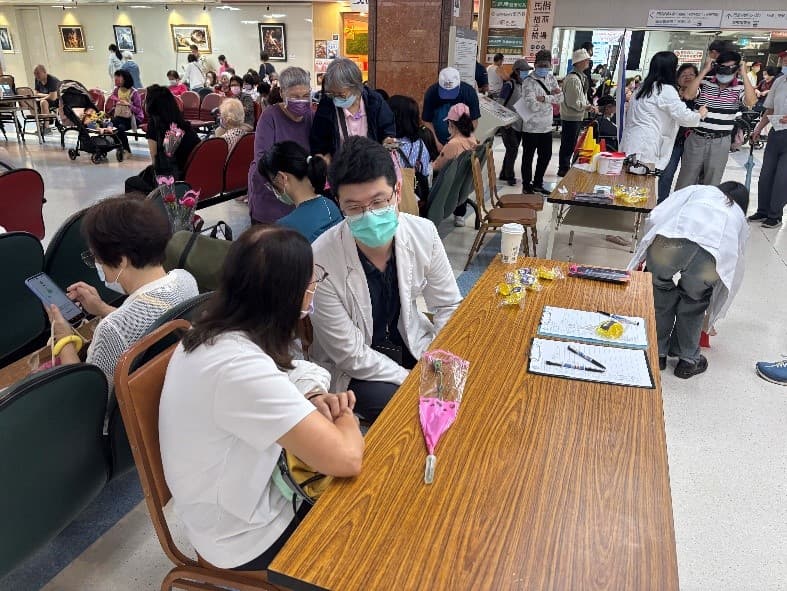
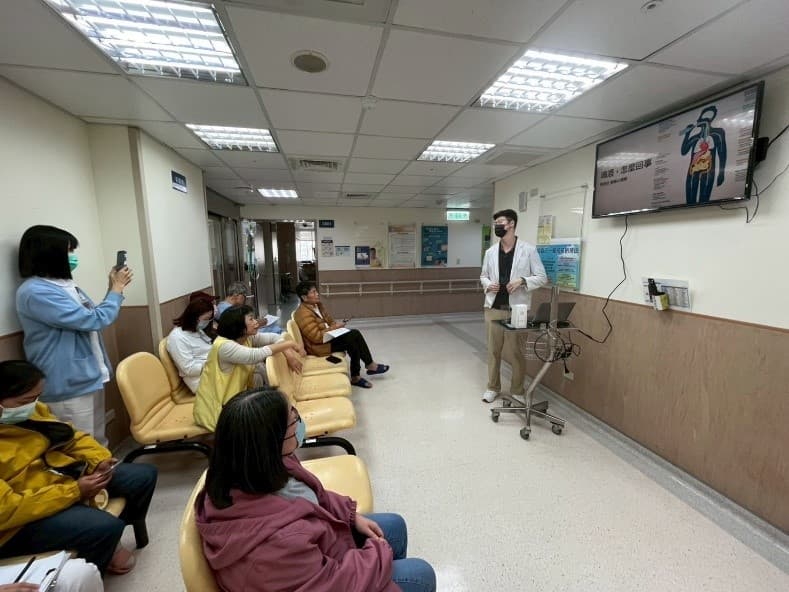
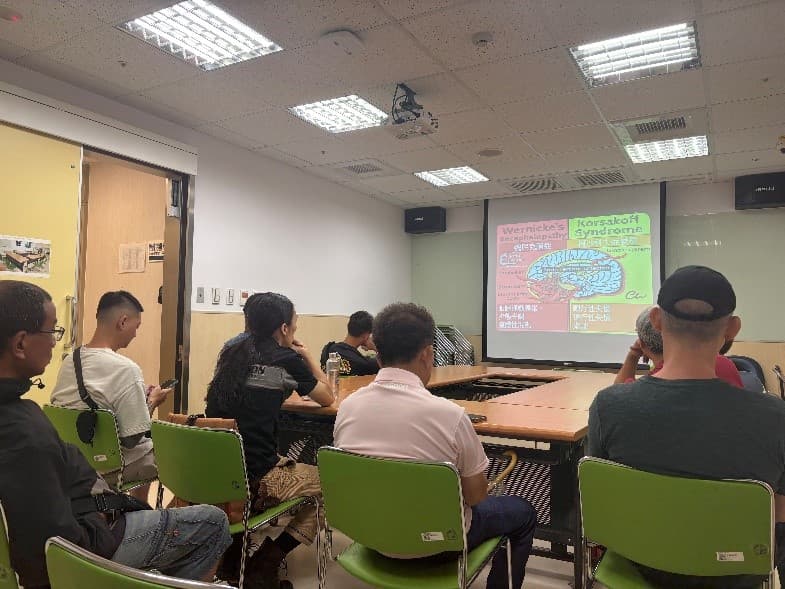
The program “Quitting Together, Getting Better” is a comprehensive, general hospital–based alcohol cessation support model developed by the Department of Psychiatry at Mackay Memorial Hospital. Targeting problematic drinking and alcohol use disorders, the program delivers integrated care based on a biopsychosocial framework. Through interdisciplinary collaboration among psychiatrists, psychologists, social workers, and case managers, the program provides pharmacotherapy, individual and group psychotherapy, family-based interventions, and continuous follow-up care. It further integrates in-hospital multidisciplinary services with external referral networks involving judicial, transportation, and social welfare systems, enhancing early identification of alcohol-related problems and improving access to treatment. Dialectical behavior therapy (DBT) has been incorporated for relapse prevention, strengthening motivation for abstinence and long-term treatment stability. This model demonstrates a scalable and exemplary approach to integrated alcohol use disorder care in Taiwan.
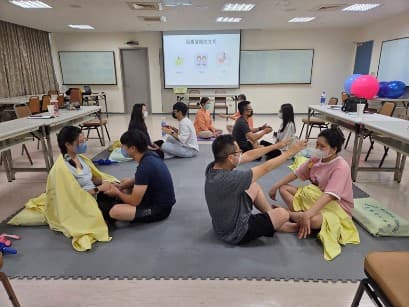
Multimodal psychological treatment approaches (individual therapy, cognitive-based groups, family therapy, and dialectical behavior therapy groups)
Implementation of dialectical behavior therapy (DBT) for relapse prevention
Establishment of cross-departmental alcohol use screening and in-hospital consultation pathways, with integrated referral networks involving judicial, transportation, and social welfare systems
Annual number of alcohol cessation consultations and referrals
Degree of improvement in alcohol use disorder severity
An average of more than 5,000 individuals served annually
Prior to treatment, 75.4% of patients were classified as having severe alcohol use disorder; after completing treatment, this decreased to 8.9%
Following treatment completion, 74% of participants demonstrated improvement in alcohol-related risk
High treatment completion rate (five-year average: 74%)
Low dropout rate (five-year average: 6.2%)
In five alcohol education and support group sessions, satisfaction reached 100%, with 92.3% being very satisfied.
Using LINE as a case management tool, the average satisfaction score was 4.38 out of 5.
Engaged in academic exchange with Japan’s National Center for Alcohol Addiction, including a visit to Kurihama Medical and Addiction Center to strengthen collaboration
Organized international forums on alcohol use disorder to promote global exchange of alcohol addiction prevention and treatment experience
Establish an integrated care model for alcohol use disorder with psychotherapy as the core.
Reduce medical, judicial, and social costs related to alcohol use disorder.
Serve as a national demonstration model for alcohol prevention and integrated medical care.