Critically ill medical patients
The Intensive Care Unit (ICU) is a high-pressure, fast-paced environment where nurses must perform multiple critical care tasks in real-time. However, nursing staff are often hindered by dispersed storage of medical supplies, inefficient movement paths, and time-consuming searches for items. These factors compress direct care time, increase workload, and heighten care risks.
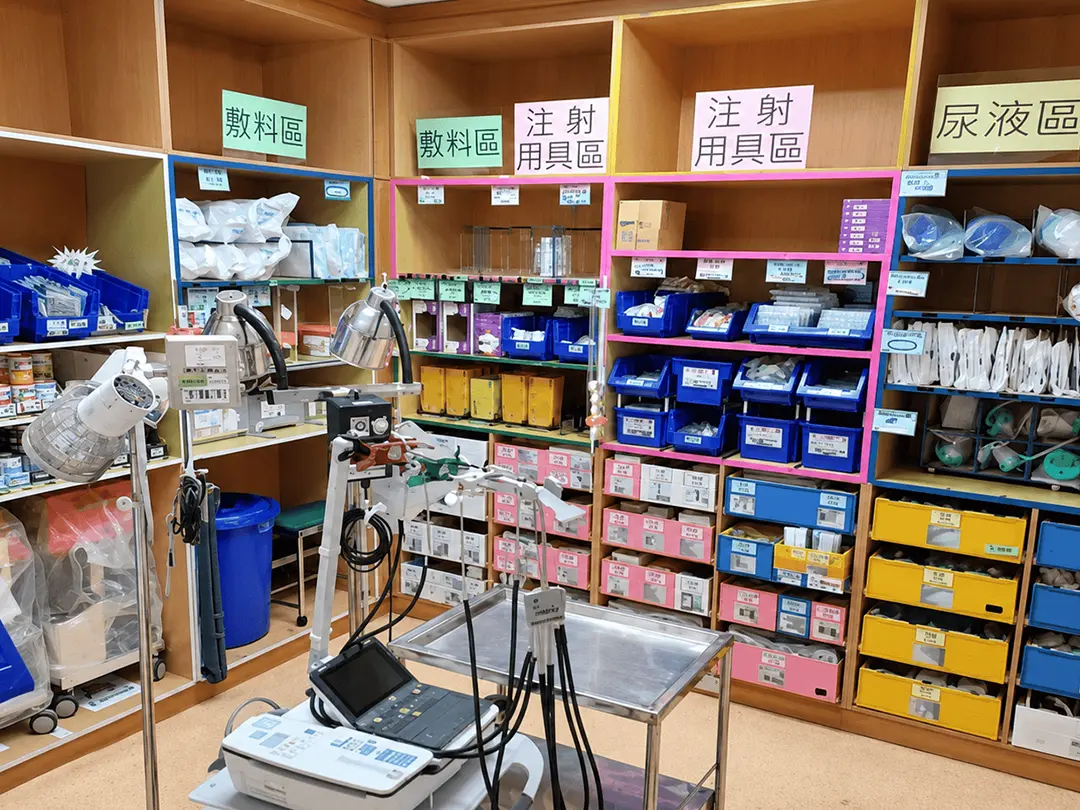
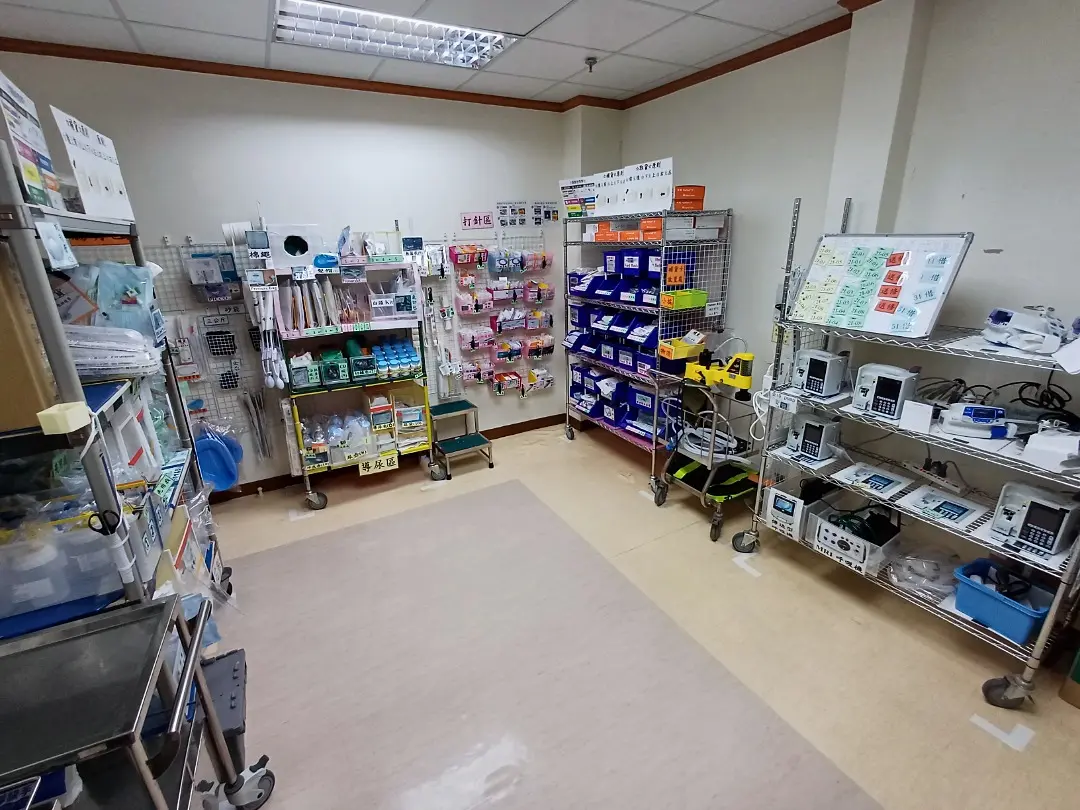
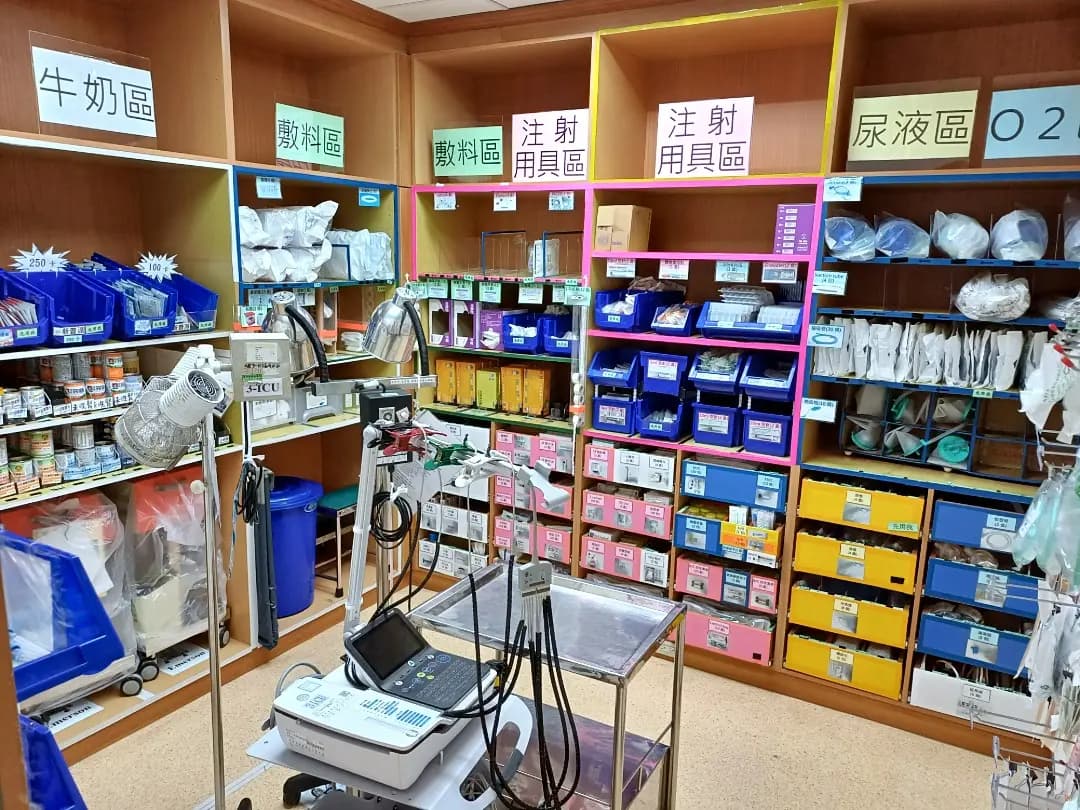
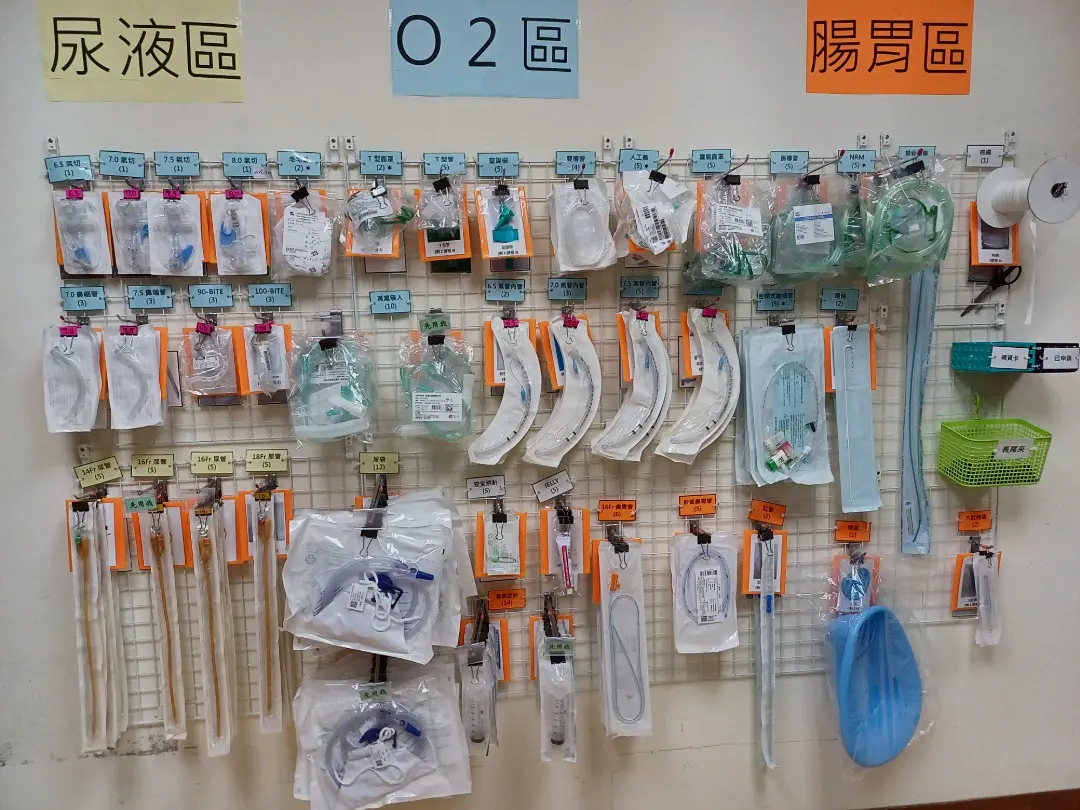
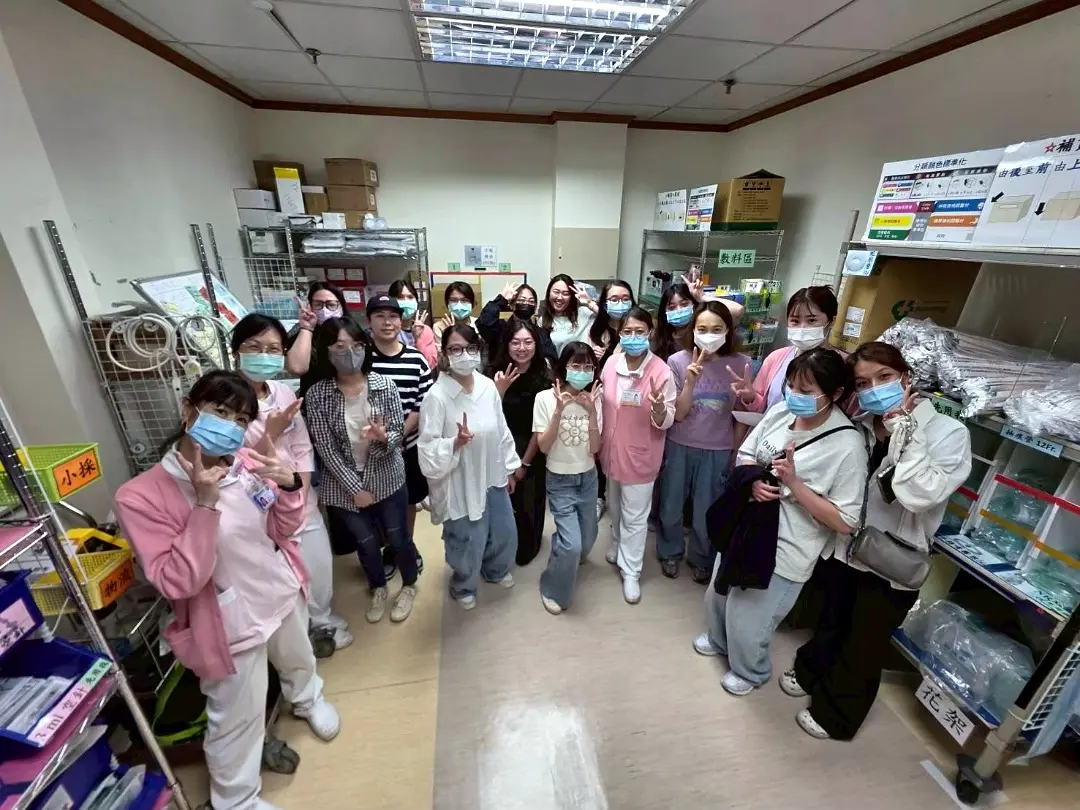
Centered on Lean management, our team comprehensively reviewed clinical care workflows and actual usage scenarios. We introduced modular storage designs and visual management strategies, reconfiguring supply locations based on usage frequency and care contexts to simplify the retrieval process. We simultaneously optimized movement paths and signage to reduce the time costs associated with cross-zone travel and searching, ensuring that preparation and replenishment align with actual clinical needs.
Integrating five key features and four major advantages, the overall design achieves the three goals of being "Visible, Accessible, and Correct." This initiative not only effectively reduces the burden of searching and reaching high shelves for nurses but also enhances care efficiency and immediate response capabilities. Furthermore, it strengthens the accuracy of supply management and patient safety, creating an ICU environment that is efficient, safe, and staff-friendly.
Task-Oriented Modular Design: Centered on common clinical procedures, with storage modules adapted to specific site conditions.
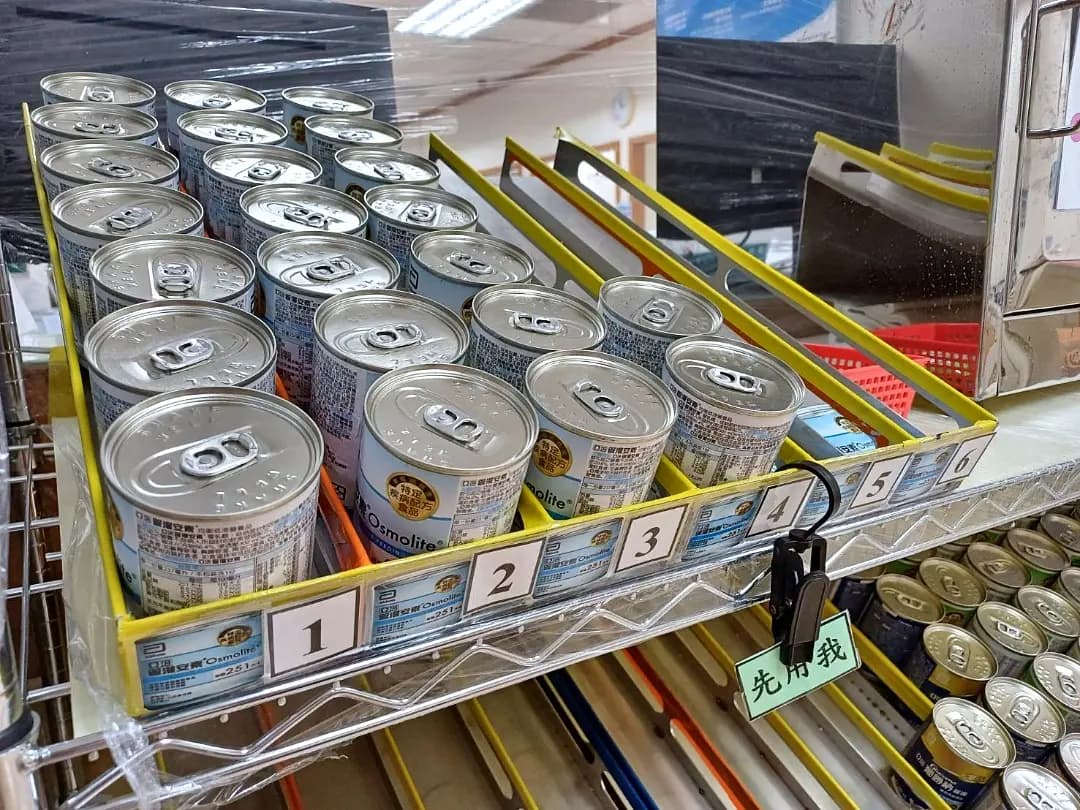
Enhanced Visual Identification: Utilizes standardized color coding, shadow boards, and dynamic labeling to improve identification accuracy.
Ergonomic Workflow Design: Simplifies movement paths and optimizes shelf heights to reduce physical fatigue without compromising care quality.
Inventory and Expiry Control: Implements a directional First-In, First-Out (FIFO) flow, defined item locations and quantities, and a Kanban (restocking card) system to prevent overstocking.
Facilitated Information Sharing: Ensures consistent team operations and provides "at-a-glance" visibility for supply usage and replenishment.
Supply Room Optimization Rate 100%.
Monthly Inventory Count Time: Decreased from 120 to 30 minutes, representing a 75% improvement in efficiency.
Supply Requisition Time: Reduced from 60 to 15 minutes, an efficiency gain of 75%.
Shift Handover Count Time: Decreased from 180 to 60 seconds, improving efficiency by 66.7%.
Item Preparation Time: Reduced from 5 to 2 minutes, a 60% increase in efficiency.
Walking Distance for Preparation: Decreased from 538 to 218 steps, reflecting a 59.5% reduction in movement.
Safety Stock Levels: Reduced from 10 to 4 days, resulting in a 60% reduction in inventory costs.
Occupational Injury Incidents: Decreased from 5 cases to 0 cases.
Expired Supply Incidents: Decreased from 5 instances to 0 instances.
Staff Satisfaction Score Increased from 2.9 to 4.3, representing a 48.3% improvement.
Achieved a 100% retention rate for 2024 clinical nursing interns post-graduation.
Qualitative Feedback: Staff expressed the highest satisfaction with the reduction in preparation time and the safety and ease of item retrieval.
Published 1 article in a domestic journal.
Presented 1 poster at an international conference.
Presented 7 posters at domestic conferences; the project titled "Medical Supply Convenience Store" was awarded the Excellent Poster Award.
Dedicated medical supply carts were integrated into clinical preparation workflows, significantly boosting efficiency and redirecting nursing hours back to direct patient care.
Utilizing systematic implementation tools and modular design to facilitate rapid replication and parallel deployment across units.