Acute coronary syndrome patients
Coronary artery disease patients
Heart failure and arrhythmia patients
High-risk cardiovascular patients
Patients requiring remote follow-up
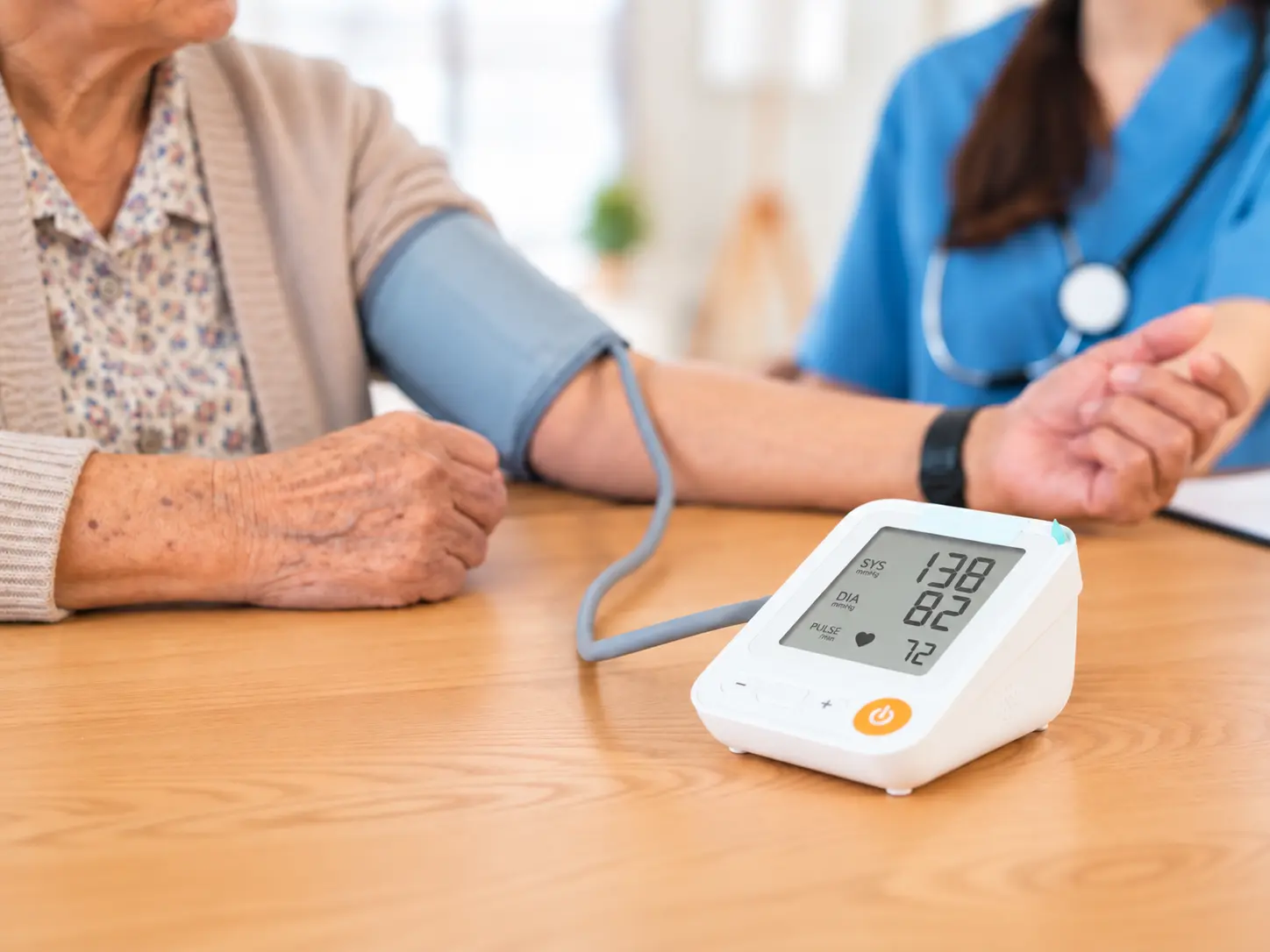
This project establishes an integrated non-invasive cardiac care model that combines cardiac function assessment, cloud-based case management, wearable monitoring devices, remote care, and artificial intelligence to provide continuous care for patients with acute coronary syndrome and other cardiovascular diseases. The program enables real-time physiological monitoring, early warning of clinical deterioration, and coordinated multidisciplinary care from hospitalization through post-discharge follow-up. By integrating digital technologies with standardized clinical pathways, the model improves diagnostic accuracy, treatment adherence, healthcare efficiency, and patient safety while reducing rehospitalization and medical costs. This innovative approach enhances quality of care and quality of life and provides a scalable model for smart cardiovascular disease management.
Hierarchical Contact-Free Physiological and Respiratory Monitoring Platform (2021 SNQ Award; 2022 Reaccredited)
Taiwan's first application of millimeter-wave radar for screening sleep apnea in patients with heart failure
AI-enabled ECG abnormality detection using smart wearables (rhythm and morphology analysis)
AI algorithm for automated echocardiography interpretation (industry–academia collaboration with Dyad Medical)
Automated ECG interpretation in the emergency and outpatient settings (completed within 6 seconds)
Home wireless stethoscope with AI heart sound analysis (industry–academia collaboration with Leadtek Research Inc.)
Establishment of the TMU-SHH AI Platform for Cardiovascular Disease Management and Care
Case managers saved an average of 6.82 working hours per week
The hierarchical contact-free physiological and respiratory monitoring platform achieved 100% coverage for all 50 beds in the cardiovascular ward.
Cloud-based case management, wearable devices, and remote monitoring supported post-discharge care, with 28% of discharged patients enrolled in remote follow-up.
AI-enabled ECG interpretation in outpatient and emergency settings provides automated analysis within 6 seconds.
AI-assisted cardiac assessment improved diagnostic accuracy by 30%, achieving over 90% accuracy.
Treatment adherence increased from 60% to 85%, while patient satisfaction improved from 75% to 92%.
Hospitalization decreased by 20%, healthcare efficiency increased by 25%, and annual medical costs were reduced by 15% per patient.
The case management platform reduced case managers' workload by an average of 6.82 hours per week.
100% monitoring coverage.
Diagnostic accuracy >90%.
AI ECG analysis in 6 seconds.
Hospitalization reduced by 20%.
Treatment adherence increased to 85%.
Patient satisfaction increased to 92%.
Healthcare efficiency improved by 25%.
Annual medical costs reduced by 15%.
100% monitoring coverage.
AI diagnostic accuracy >90%.
AI ECG analysis completed in 6 seconds.
Hospitalization reduced by 20%.
Annual medical costs reduced by 15%.
Remote care adoption reached 28%.
Healthcare efficiency improved by 25%.
Case manager workload reduced by 6.82 h/week.
Patient satisfaction increased to 92%.
Treatment adherence increased to 85%.
Remote care adoption reached 28%.
Positive feedback on cloud case management.
Smart care improved patient experience.
U.S. Patent US9901263B2 granted.
Taiwan–U.S. smart healthcare R&D.
AI platform aligned with global precision medicine.
Established a non-invasive integrated cardiac care model.
Improved diagnostic efficiency and patient safety.
Strengthened continuity of care from hospital to home.
Reduced rehospitalization and healthcare resource use.
Advanced AI-enabled precision cardiovascular care.
Established a scalable and reproducible care model.