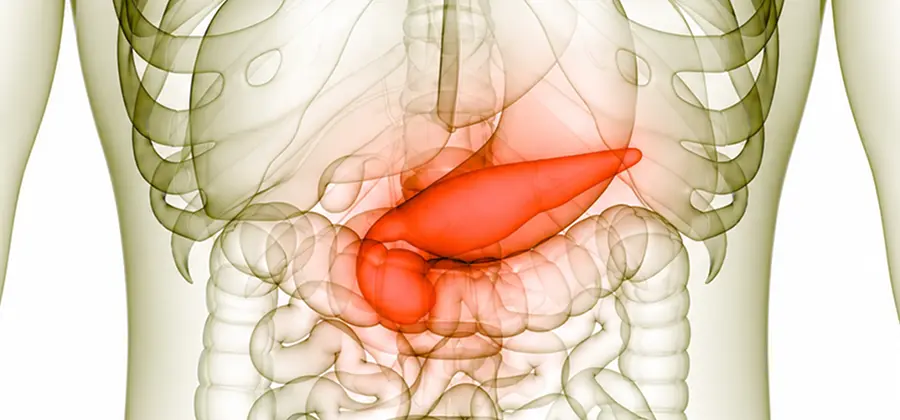
Pancreatic cancer patients
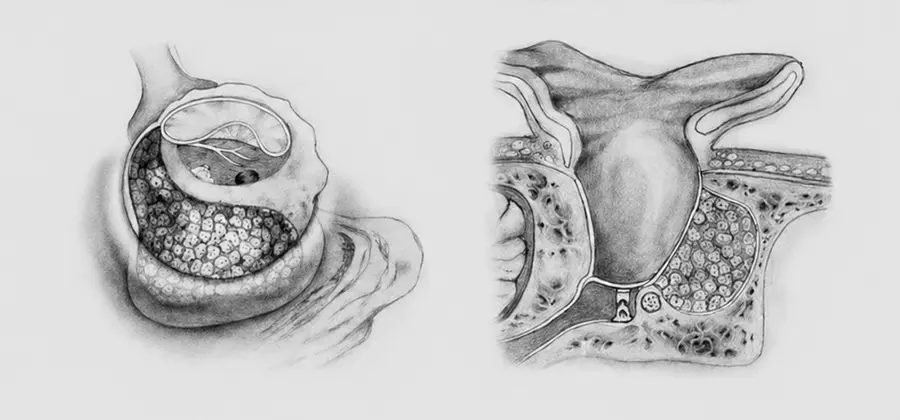
Ampullary cancer patients
Locally advanced pancreatic cancer patients
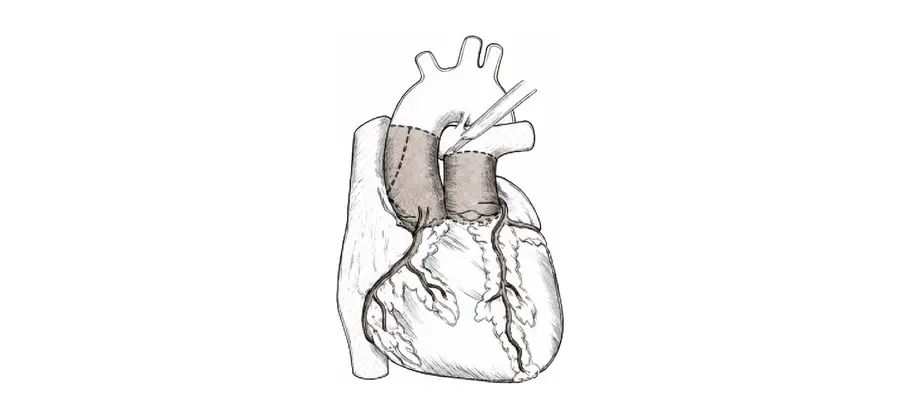
Patients requiring pancreatoduodenectomy
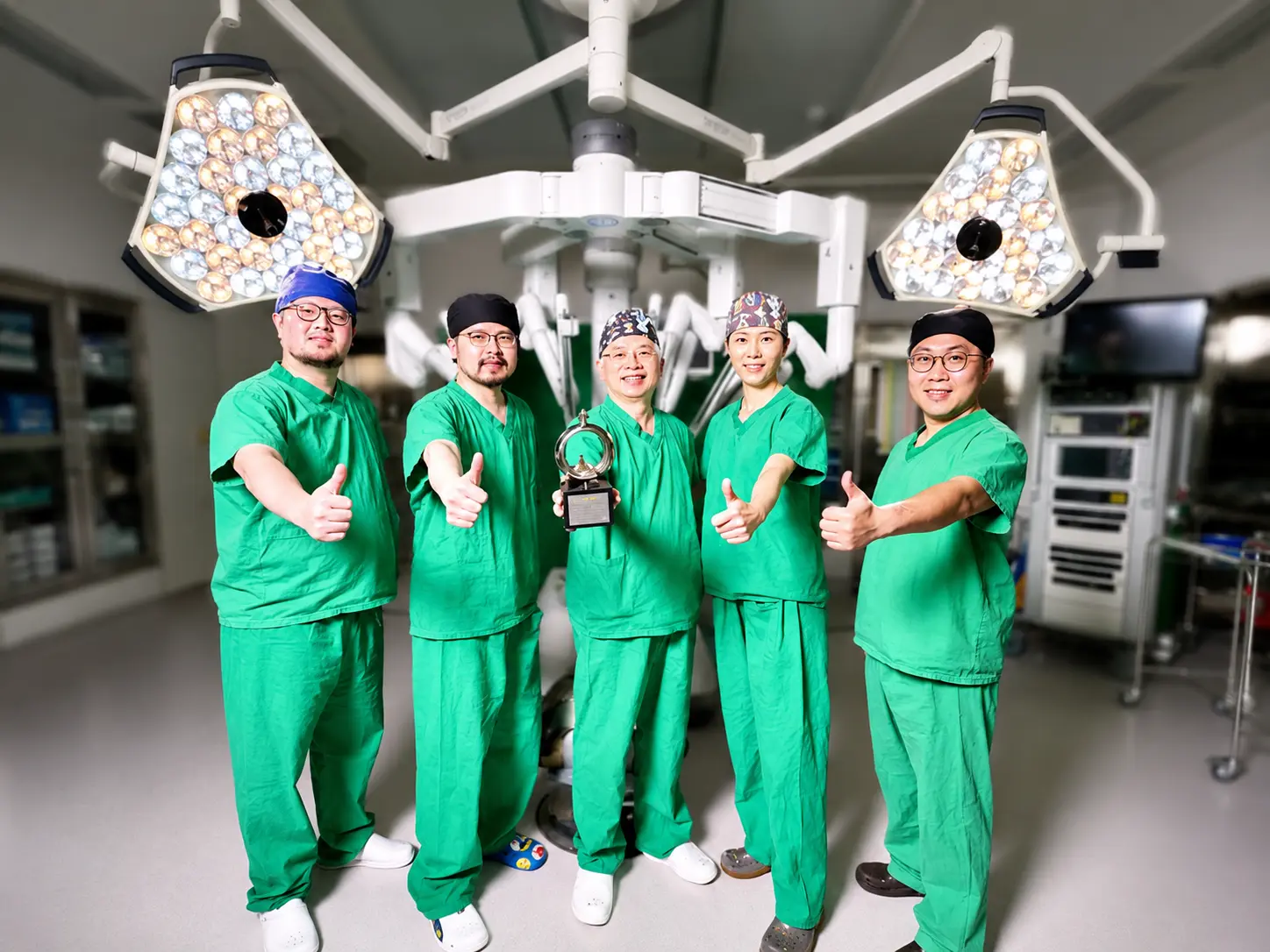
Taipei Veterans General Hospital Pancreatic Cancer Treatment and Research Center specializes in treating pancreatic and ampullary cancer using robotic-assisted minimally invasive surgery combined with chemotherapy and carbon-ion radiotherapy, performing complex pancreatoduodenectomy and achieving breakthroughs in pancreatic cancer treatment.
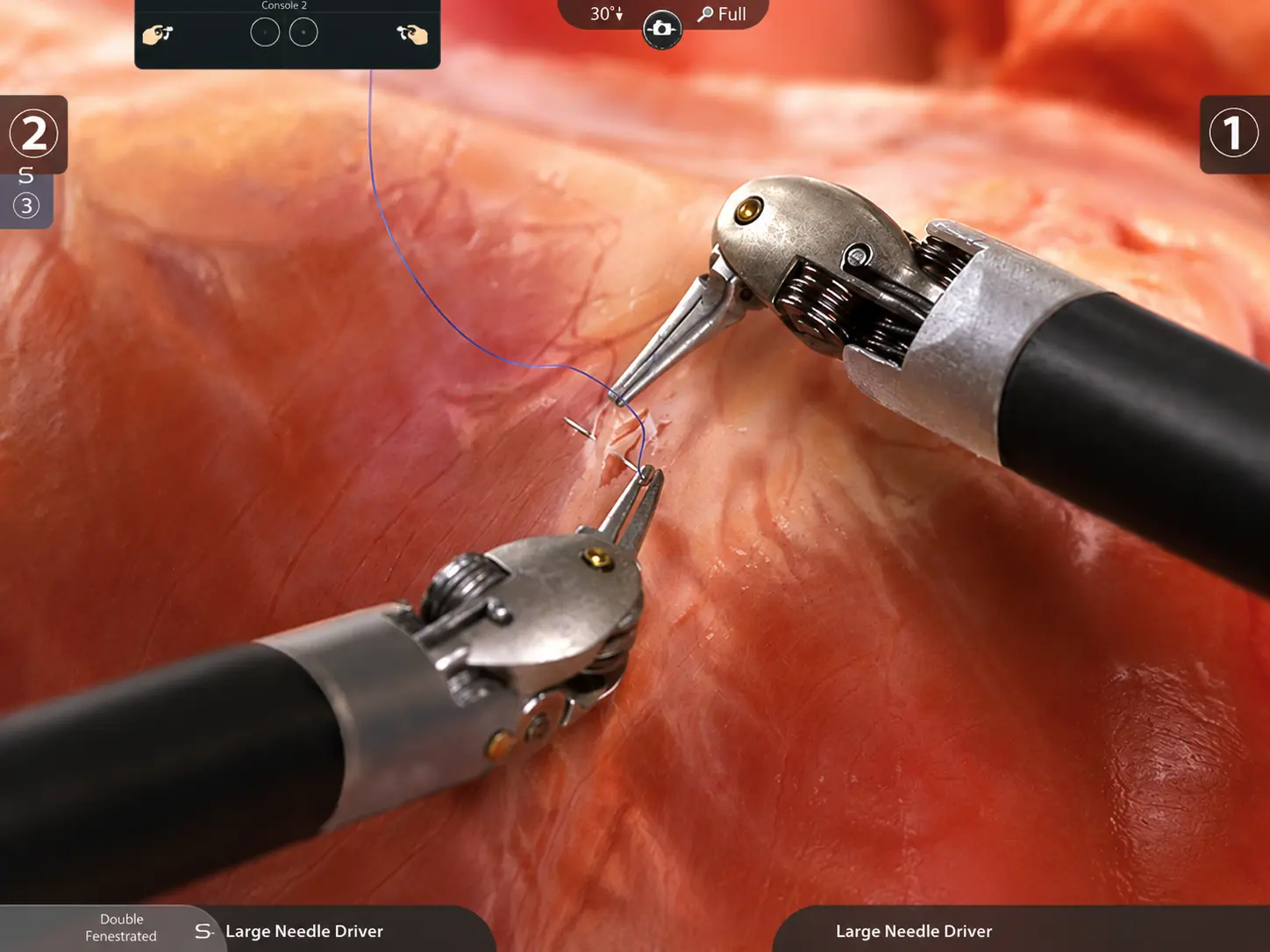
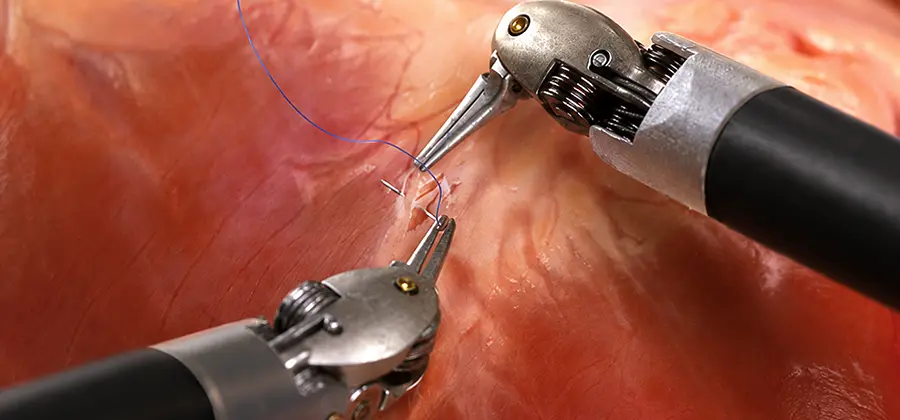
Robotic-assisted minimally invasive pancreatoduodenectomy
Significantly reduced blood loss: median 200mL vs conventional 500mL
Substantially reduced delayed gastric emptying
Lower complication rates
Superior lymph node harvesting
Rapid recovery: patients mobilize 1-6 days post-operatively
Conversion surgery for initially unresectable tumors using chemotherapy combined with carbon-ion radiotherapy
Patient satisfaction rate exceeding 99%
Over 686 robotic-assisted minimally invasive pancreatoduodenectomy surgeries completed
Surgical success rate of 98.7%
Over 80 pancreatic cancer carbon-ion radiotherapy cases
3 conversion surgery cases for initially unresectable locally advanced patients
5-year survival rate increased to 36.9% (pancreatic head cancer), leading globally
Pancreatic head cancer 5-year survival rate 36.9%
Ampullary cancer 5-year survival rate 63.9%
Distal CBD cancer 5-year survival rate 58.1%
Duodenal cancer 5-year survival rate 62.0%
Mortality rate reduced from 5% to 1.3%
No significant difference in lymph node harvesting between conventional and robotic surgery (median 18 vs 16, p=0.038)
Blood loss median 200mL in minimally invasive surgery, significantly lower than conventional 500mL (p<0.001)
Delayed gastric emptying rate significantly reduced (p=0.004)
Lower complication rates (p=0.035)
Patients can mobilize 1-6 days post-operatively
Patients can travel long distance by plane 1.5 months post-operatively
Overall patient surgery satisfaction rate 99% (104/105 patients willing to recommend)
Post-operative period <12 months recommendation rate 98.4% (63/64 patients)
Post-operative period >12 months recommendation rate 100% (41/41 patients)
Conversion surgery patients overall treatment satisfaction 100%
International patients witnessed treatment outcomes and miracles
138 academic papers on pancreatic and pancreatoduodenectomy surgery
30 academic papers on robotic-assisted pancreatic minimally invasive surgery
Over 132 international and domestic lectures and research presentations
2018 Swiss International Hepatobiliary Pancreatic Surgery Society lecture
2019 Seoul Asia-Pacific Hepatobiliary Pancreatic Surgery Society lecture
Authored chapter on pancreatoduodenectomy techniques in international textbook "Pancreas Cancer"
Invited to International Guidelines Meeting in MIS Pancreas Resection
Invited to provide technical demonstrations at prestigious Asian hospitals including Seoul University Hospital and Kyoto University Hospital
Trained 37 domestic talents distributed across major hospitals nationwide
Trained 39 Asian talents (19 from Japan, 10 from Korea, 2 from Indonesia, 2 from Singapore, 1 from Malaysia, 1 from India, 3 from Thailand)
Trained 6 international talents (1 from Turkey, 1 from Israel, 3 from Ethiopia, 1 from Slovakia)
Established "Robotic-Assisted Pancreatic Surgery Physician Certification" system
Established international guidelines for pancreatic minimally invasive surgery
Combined with carbon-ion radiotherapy to become a world-class pancreatic cancer treatment center
Achieved "impossible mission" bringing hope to pancreatic cancer patients globally