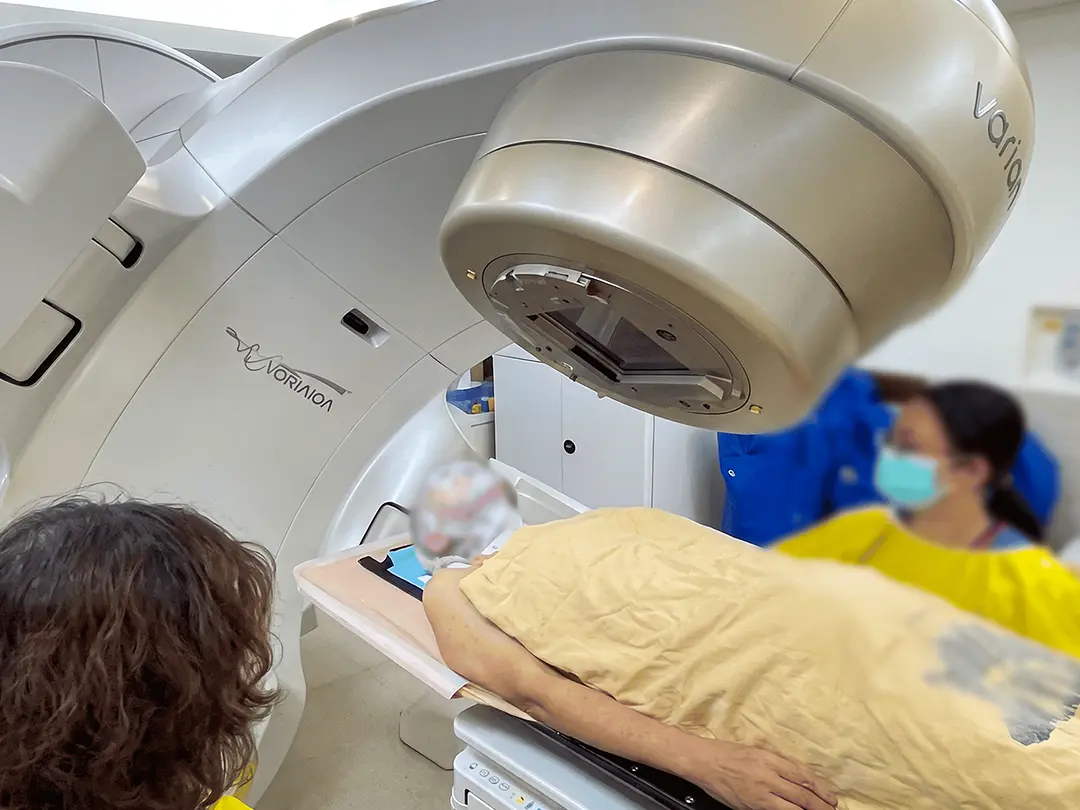
For various types of cancer, precision radiotherapy is utilized across curative, adjuvant, and palliative treatments to achieve tumor control while minimizing damage to normal tissues.
Our hospital has experienced consistent growth in radiotherapy patient volume in recent years. However, constraints in space and equipment capacity have led to scheduling delays, negatively impacting treatment accessibility and clinical outcomes. Prolonged waiting times may result in tumor progression, diminished efficacy, and increased psychological distress, alongside a higher risk of treatment interruption. Furthermore, the requirement for daily hospital visits over an extended period imposes a significant burden on patients and their families. Consequently, reducing wait times and optimizing scheduling efficiency have become critical institutional priorities.
To address these challenges, our team has integrated Hospital Information Systems (HIS) with clinical workflows to establish a cross-departmental collaboration mechanism. By optimizing radiotherapy scheduling, we have shortened the interval from diagnosis to treatment while providing medical navigation and psychological support to improve treatment adherence. Centered on the core principles of being 'Smart, Precise, and Effective,' the program implements AI-powered auto-contouring systems to enhance the accuracy of image analysis and treatment planning. Combined with precision positioning technology to minimize side effects, we have optimized manpower and equipment utilization to improve operational efficiency, overall therapeutic outcomes, and patient quality of life.
Intelligence: Implemented AI-powered auto-contouring systems to assist in medical image analysis. This standardizes the delineation and interpretation of Organs at Risk (OARs), significantly enhancing the accuracy and efficiency of treatment planning.
Precision: Combined AI-driven contouring with precision positioning technology to improve treatment reproducibility and effectively minimize side effects.
Efficiency: Optimized manpower allocation and equipment utilization to shorten patient wait times and improve overall operational throughput.
Average Daily Treatment Volume (Per Year)
Number of Scheduled Patients in the CT Suite
100% Execution Rate of Standardized Positioning: Achieved a positioning error of ≤ 0.8 degrees in over 95% of cases.
100% Implementation of AI Auto-Contouring: Fully integrated into the radiotherapy workflow since July 2021.
100% Adoption of AI Auto-Contouring Across Cancer Sites: Successfully applied the system to all types and anatomical sites of cancer.
Radiotherapy Completion Rate Over 92%: A significant majority of patients successfully completed their full course of treatment.
Reduction in Wait Times: The average scheduling wait time decreased from 10.9 days (2020) to 5.4 days (2024), with all treatment machines maintaining a wait time of under 7 days.
Improved Efficiency in Radiation Therapy: Through the enhancement of therapist positioning techniques, average setup times were reduced by 4–13 minutes per session.
Increased Operational Capacity: Between 2021 and 2024, the average daily patient volume grew significantly, leading to a 12.7% increase in equipment utilization (capacity factor).
Positioning Precision Above 95%: Established standardized radiotherapy positioning protocols, maintaining a daily error margin of ≤ 0.8 degrees in over 95% of sessions.
Reduction in Treatment Side Effects: The incidence of Grade 3 or higher toxicity/side effects decreased significantly from 5.1% in 2020 to 0.4% in 2024.
Decrease in Treatment Cancellation Rate: The radiotherapy scheduling cancellation rate dropped from 17.7% in 2021 to 1.1% in 2024.
Improvement in Patient Tolerance: The rate of treatment interruptions due to patient discomfort showed a notable decline, dropping from 63% to 52%.
Patient satisfaction scores exceeded 4 (Very Satisfied) across all dimensions, including the treatment environment, nursing education, skin care, and scheduling efficiency.
Oral Presentations at the ISRRT World Congress 2024: Delivered two oral presentations on topics related to radiotherapy precision and accuracy at the World Congress of the International Society of Radiographers and Radiological Technologists.
Poster Presentation at the IHF World Hospital Congress 2025: Selected for a poster presentation at the International Hospital Federation Congress, focusing on AI-driven scheduling to enhance radiotherapy operational efficiency.
Publication on Intelligent Radiotherapy Workflow: Published one research paper on the theme of intelligent radiotherapy workflow optimization.
Publication on Radiotherapy Precision: Published one research paper focusing on enhancing accuracy and precision in radiotherapy.
Multi-system Integration & Big Data Analytics for Dynamic Scheduling: By leveraging big data to assist in dynamic scheduling and precise resource planning, we ensure that patients receive their initial treatment within the shortest possible timeframe and remain satisfied with their subsequent daily treatment slots.
Enhancing Radiotherapy Precision (Exceeding International Standards): Achieved a level of radiotherapy precision and error control that significantly outperforms international clinical standards.
Dedicated Radiotherapy online service for Patient Engagement: Developed a specialized function in our mobile app that allows patients to access their real-time treatment schedules, which has effectively reduced scheduling cancellation rates and improved communication.
Implementation of AI-Powered Auto-Contouring: Establish a high-efficiency, high-consistency treatment standard. Precise organ delineation enables optimal radiation dose distribution, thereby minimizing risks to healthy tissue, reducing complications, and enhancing the overall quality of life for patients.