Patients with spontaneous intracranial hypotension
Patients with cerebrospinal fluid leak
The Headache Team at Taipei Veterans General Hospital (TVGH) has investigated spontaneous intracranial hypotension (SIH) for more than 25 years. SIH is induced by cerebrospinal fluid leakage and presents with severe orthostatic headache and potentially serious neurological complications.
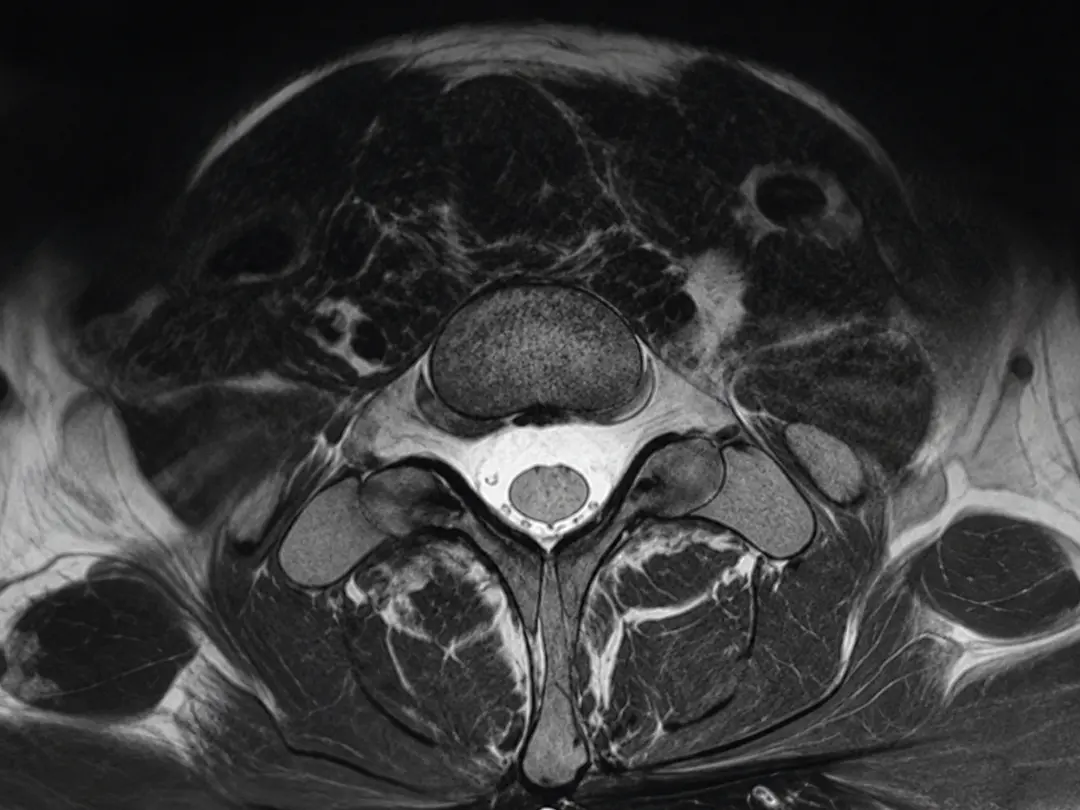
In 1999, the team reported the use of transorbital ultrasound to assess intracranial pressure changes via superior ophthalmic vein flow dynamics, a study published in The Lancet. The team subsequently developed a heavily T2-weighted MR myelography protocol that matches the accuracy of conventional invasive computed tomography (CT) myelography in localizing leakage sites. Featured as a cover story in Brain, this method is recommended internationally as an initial imaging modality of choice. This imaging development allowed the team to implement early and repeated targeted epidural blood patches (EBPs), modifying the traditional approach that was often prolonged and associated with high failure rates. Because precise leak localization is performed at the initial visit, patients avoid repeated EBPs. Through multidisciplinary collaboration, the team has managed more than 485 patients and performed 612 EBP procedures. The cumulative success rate for these repeated EBP interventions is 99.2%. The surgical intervention rate at TVGH is 0.2%. These clinical outcomes have been incorporated into international management guidelines and inform diagnostic standards for SIH globally.
Leading global diagnostic and therapeutic experience and technology
First non-invasive imaging diagnostic methods (ophthalmic artery ultrasound, heavy T2-weighted MR myelography)
Standardized rapid and precise epidural blood patch treatment SOP
Highest global epidural blood patch success rate of 99.2%
Lowest global surgical revision rate of 0.2%
Research published in top international journals (23 papers)
Research findings incorporateed into international treatment guidelines and textbooks
Treated spontaneous intracranial hypotension patients: 485 (among the top)
Average days from admission to imaging: significantly reduced
Average days from admission to treatment: significantly reduced
Average hospitalization duration: significantly decreased
Total disease course duration: markedly accelerated recovery
Success rates of targeted epidural blood patches 99.2% (highest globally) (vs. 28% for conservative treatment)
Epidural blood patch failure requiring surgical revision: 0.2% (lowest globally)
Prognosis improvement in patients with spontaneous intracranial hypotension complicated by subdural hematoma requiring blood clot drainage: reduced from 6.1% to 0%
Ophthalmic artery ultrasound diagnosis: rapid, non-invasive, without contrast agent, can track disease progression
Heavy T2-weighted MR myelography: non-invasive, without contrast agent, examination time 13 minutes, diagnostic accuracy comparable to the gold standard CT myelography
Avoids unnecessary invasive lumbar puncture procedures
Hospitalization care quality satisfaction or very satisfied: 95%
Medical staff service satisfaction or very satisfied: 97%
Abundant patient thank you letters
Research papers published in top international journals (25 papers): one in Lancet (IF=168.9), two in Brain (IF=15.3) (both cover stories), two in Neurology (IF=12.3), 13 in Cephalalgia (IF=6.1) (official joournal of International Headache Society)
Four highly cited papers (citation count >85)
Three cited by International Classification of Headache Disorders 3rd edition (ICHD-3)
Five papers cited by American Academy of Neurology CME Continuum
Invited to write chapter for Wolff's Headache 9th edition
Research findings cited by global medical literature databases, including UpToDate, Medlink Neurology, NEJM Journal Watch
Findings incorported in International treatment guidelines
Multiple international renowned medical centers validate and promote team's research methods
Shortened patient disease course and accelerated recovery
Reduced disability status and improved quality of life
Reduced mortality and severe disability rates
Decreased social cost burden
Established new global diagnostic and therapeutic standards
Provided training for domestic and international colleagues
Established international treatment consensus guidelines
Invited to authore headache medicine textbooks
International conference presentations (24 lectures)
Recorded International Headache Society epidural blood patch teaching video
Published headache specialty books to promote public awareness