Community residents, campus students, disaster area populations, psychiatric patients, high-risk psychiatric cases, and mental health crisis cases
Community-based psychiatric home care focuses on a family-centered, community-based approach, with mental health professionals providing in-home care to stabilize mental illness symptoms, enhance social function, and reduce rehospitalization rates. Community psychiatric cases include those at risk of relapse due to non-compliance with treatment, as well as individuals not qualifying for compulsory hospitalization but who are unstable and refuse inpatient care, requiring outreach services intervention.
Furthermore, individuals with mental health issues or severe emotional problems need improved access to care and early interventions to minimize untreated periods and promote recovery. Our approach integrates these elements into our community psychiatric home team, expanding the range and depth of services through an integrated community psychiatric care office and a rapid response team, providing comprehensive community mental health services.
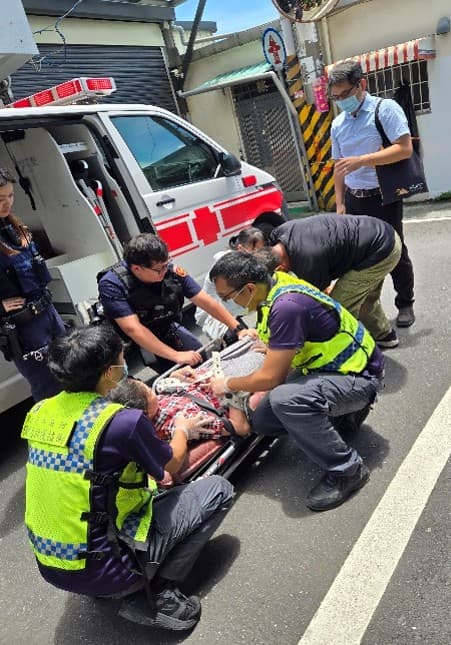
Feature One: Instant medical delivery ensures immediate healthcare access, enhancing community well-being and peace of mind.
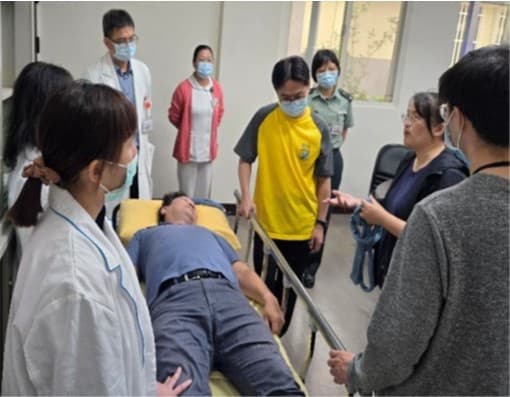
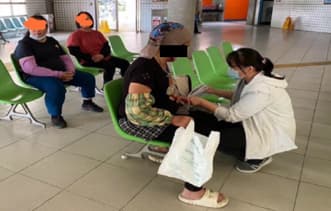
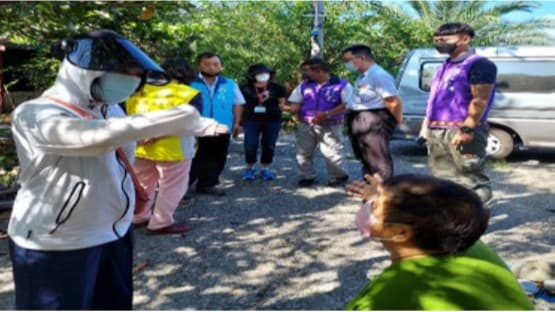
Feature Two: Comprehensive immersion in medical care covers all aspects from homes to schools, ensuring thorough attention to health needs.
Feature Three: Collaborative health networks ensure that community wellness has no blind spots.
Feature Four: Unimpeded medical care accessible to diverse populations, ensuring no barriers for any group.
Feature Five: Streamlined psychiatric care from home-based services to hospitalization, providing a seamless treatment continuum.
Innovation One: Heartfelt Resource Mobilization - Establishing a resource collection platform to meet basic material needs.
Innovation Two: Convenient Official Groups - Creating communication groups for immediate mental health feedback.
Innovation Three: United Team Network - Integrating disaster mental health and crisis response teams for collective protection.
Service Metrics Overview:
Monthly Service Volume:
60.5 individuals per month
Home Visits:
101 visits per month
Visit Frequency:
1.8 visits per individual per month
Time Reduction for Case Evaluation: Decreased from an average of 6.88 individuals per month taking over two weeks for initial visit and assessment to 3.83 individuals per month
Realtime Communication Group Members:
62 individuals
Use of Ambulance Services for Unstable Cases:
Annually reduced from 6.60% to 2.07%
Emergency Department Visit Rate: Annually reduced from 21.8% to 12.3%
Continuous Remission Rate (No Acute Episodes for Over One Year): Increased from 89.2% to 95.2%
The benefits include an increase in the number of people served annually (from less than 50 before integration to over 100 after integration), a reduction in waiting times exceeding two weeks (from 6.88% before integration to 3.83% after integration); a decrease in ambulance usage (from less than 5.78% annually before integration to over 1.81% after integration); a decrease in the emergency hospitalization rate (from 21.8% before integration to 11.4% after integration); and a prolonged period of stable illness (from 89.2% before integration to 95.2% after integration).
After the team intervened, the percentage of cases requiring ambulances due to unstable conditions decreased from 6.60% to 2.07% annually; the proportion of emergency room visits decreased from 21.8% to 12.3% annually, and the proportion of hospitalizations decreased from 21.8% to 11.4% (including emergency hospitalizations, medication adjustments, and/or temporary hospitalizations for psychosocial factors); the proportion of cases achieving sustained remission (no acute relapse for more than one year) increased from 89.2% to 95.2%. With increased capacity for community home visits and immersive medical services, the use of emergency ambulances (119) decreased by more than 33%, significantly reducing the consumption of related emergency ambulance resources and enhancing the community's resilience in dealing with mental health cases.
Through online educational training and results presentations, we collected feedback from relevant members. Our satisfaction analysis from 2021 to the present (including satisfaction and feedback from village chiefs, police, firefighters, schools, and organizations, with a maximum score of 100) shows: Satisfaction with training content: 92 points. Satisfaction with team services received by families and cases: 94 points. Average satisfaction with medical personnel: 96 points.
With team intervention, the average annual stability of the disease can be improved to 92% (no psychiatric emergency room visits within one year, and as high as 97% in 2024). The number of patients requiring emergency room visits is 13.4% (including emergency room visits after the disease has not been relieved and psychiatric emergency room visits for various reasons after the disease has been relieved for more than one year). The above data are stronger than the data provided by the Substance Addiction and Mental Health Services (SAMHSA) to the community mental health teams in Arizona (communication equipment reaches 80% of problem handling; community cases are unstable and require emergency medical treatment 15%).