Hemodialysis patients
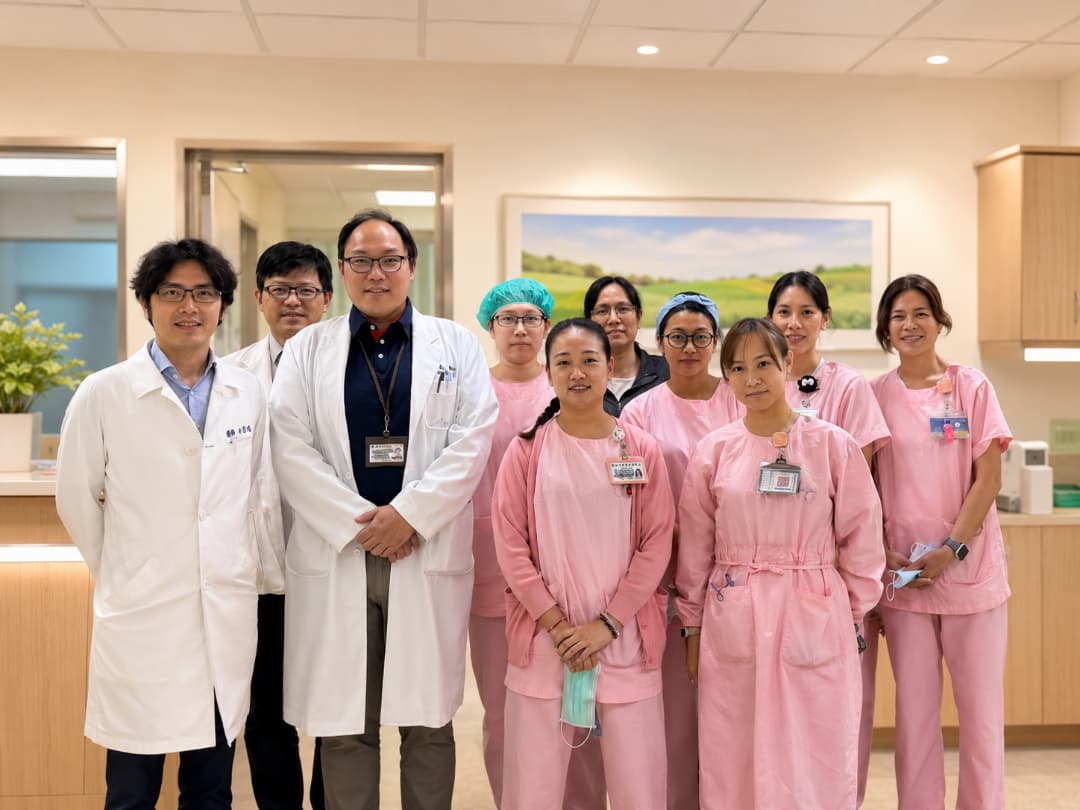
At the Hualien Armed Forces General Hospital, our multidisciplinary team—comprising doctors, nurses, social workers, and long-term care specialists—has pioneered a "Precision Care and Smart Upgrading Program" to serve our community. By integrating real-time physiological data with a digital prescription platform, we have optimized clinical workflows and achieved a 98% documentation accuracy rate.
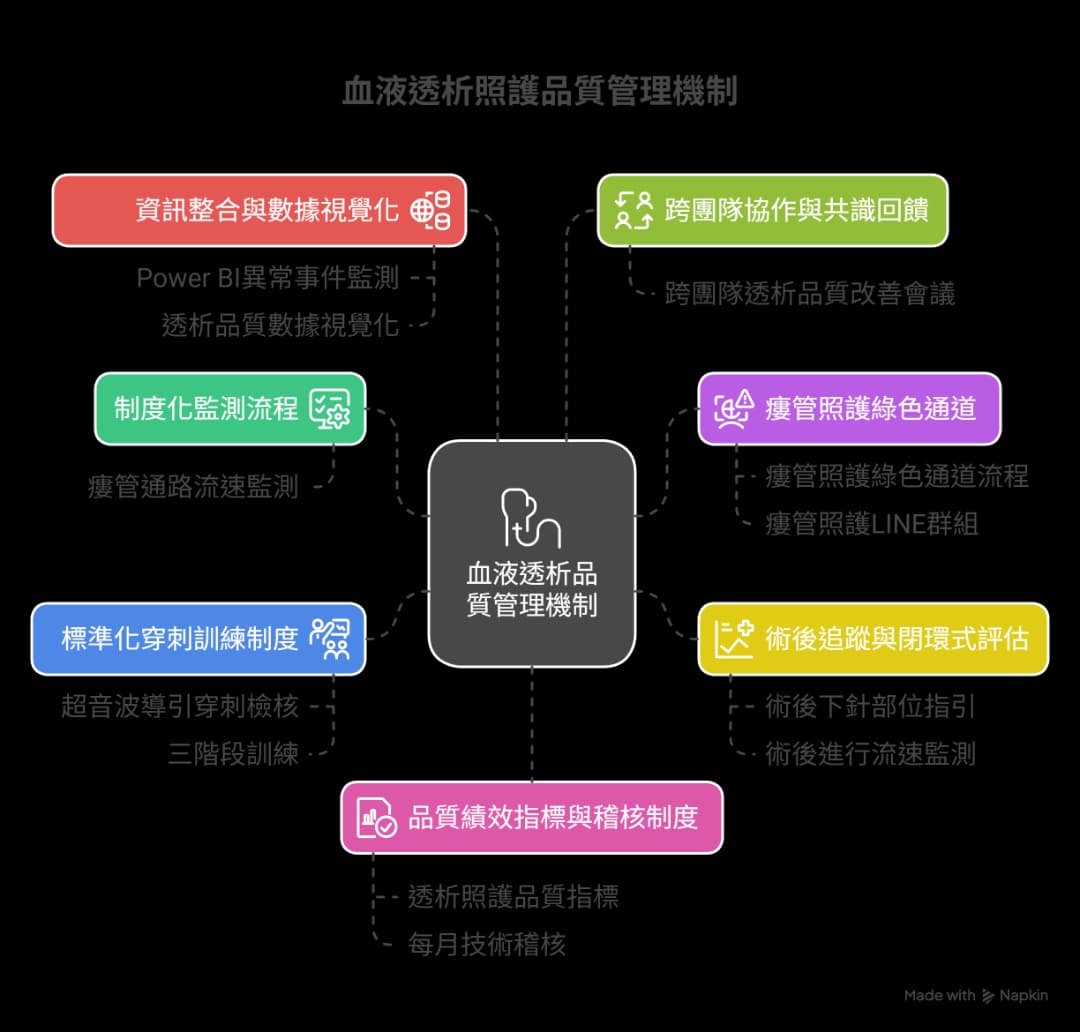
Our commitment to clinical safety is reflected in our transition to ultrasound-guided cannulation. This initiative has empowered less-experienced staff, raising successful cannulation rates from 43% to 89%, while maintaining a flawless three-year record of zero needlestick injuries and bloodstream infections. Beyond the clinic, we are meeting broader public health goals, completing the national Hepatitis C elimination target six months ahead of schedule. By tripling Advance Care Planning (ACP) consent rates (from 20% to 60%) through our specialized dialysis palliative care model, we have successfully integrated military medicine with community resources to protect and honor our most vulnerable patients.
Precision Vascular Access Management: By integrating ultrasound-guided cannulation with dilution-based flow monitoring and a fast-track angioplasty protocol, our team has significantly reduced the risks of vascular access immaturation and occlusion.
Smart Digital Platform Integration: We successfully synchronized electronic prescriptions with real-time physiological data uploading. This digital transformation has streamlined clinical workflows and eliminated manual errors, resulting in a 98% accuracy rate for nursing documentation.
Innovative Holistic & Palliative Care: Our multidisciplinary approach leverages Shared Decision-Making (SDM) to honor patient autonomy. This initiative increased Advance Care Planning (ACP) consent rates from 20% to 60% . We achieved the national Hepatitis C elimination ahead of the deadline.
Healthcare Resilience & Crisis Adaptability: The team demonstrated high-level resilience by maintaining uninterrupted emergency dialysis services throughout the COVID-19 pandemic. Our ability to rapidly adapt clinical protocols under pressure ensured the safety and continuity of care for our vulnerable patient population.
89% successful cannulation rate for new shunts among less-experienced staff.
Hemodialysis nursing documentation accuracy rate: 98%.
The ACP consent rate increased to 60%.
The cure rate of hepatitis C: 100%.
Re-cannulation rates plummeted from 15.3% to 3.8%.
Surgical revisions for vascular access were reduced from 7 to 4 cases per quarter.
We reduced the weight of non-recyclable contagious waste by 30%.
Monthly average dialysis volume grew from 445 to 724 sessions
New AVF cannulation success rate improved from 43% to 89%
Repeat cannulation rate reduced from 15.3% to 3.8%
Fistula occlusion rate declined from 0.158% to 0.026%
AVF infection rate: 0% for three consecutive years
Hepatitis C cases eliminated by 2025; cure rate 100%
Infectious waste volume reduced by 30%
Advance directive signing rate increased from 20% to 60%
Documentation time reduced to 7–10 min; accuracy rate 98%
Overall patient satisfaction score: 95.8/100
0% Needlestick injury for three consecutive years.
0% Vascular access infection for three consecutive years.
Dialysis-related hepatitis C infection rate: Officially eliminated in 2025.
Vascular access re-cannulation rate decreased from 15.3% to 3.8%.
98% of nursing documentation is accurate
Public health and epidemic prevention: Zero staff infections during the pandemic.
overall patient satisfaction rating of 95.8 out of 100.
Satisfaction regarding professional explanations and clinical management reached 96%.
95% of patients reported that our advanced monitoring protocols significantly increased their confidence in the safety and efficacy of their treatment.
92% of patients agreed that flow measurements were performed without discomfort.
Patients' feedback confirmed that ultrasound-guided cannulation and online monitoring helped reduce clinical risks.
The overall satisfaction score for the medical team’s explanations and management was 95.4 points.
Currently, we are working on extending our approach and writing a medical education study, entitled "From Palpation to Visualization: Impact of a Structured Ultrasound-Guided Training Program on Cannulation Competency and Safety Among Novice Hemodialysis Nurses."
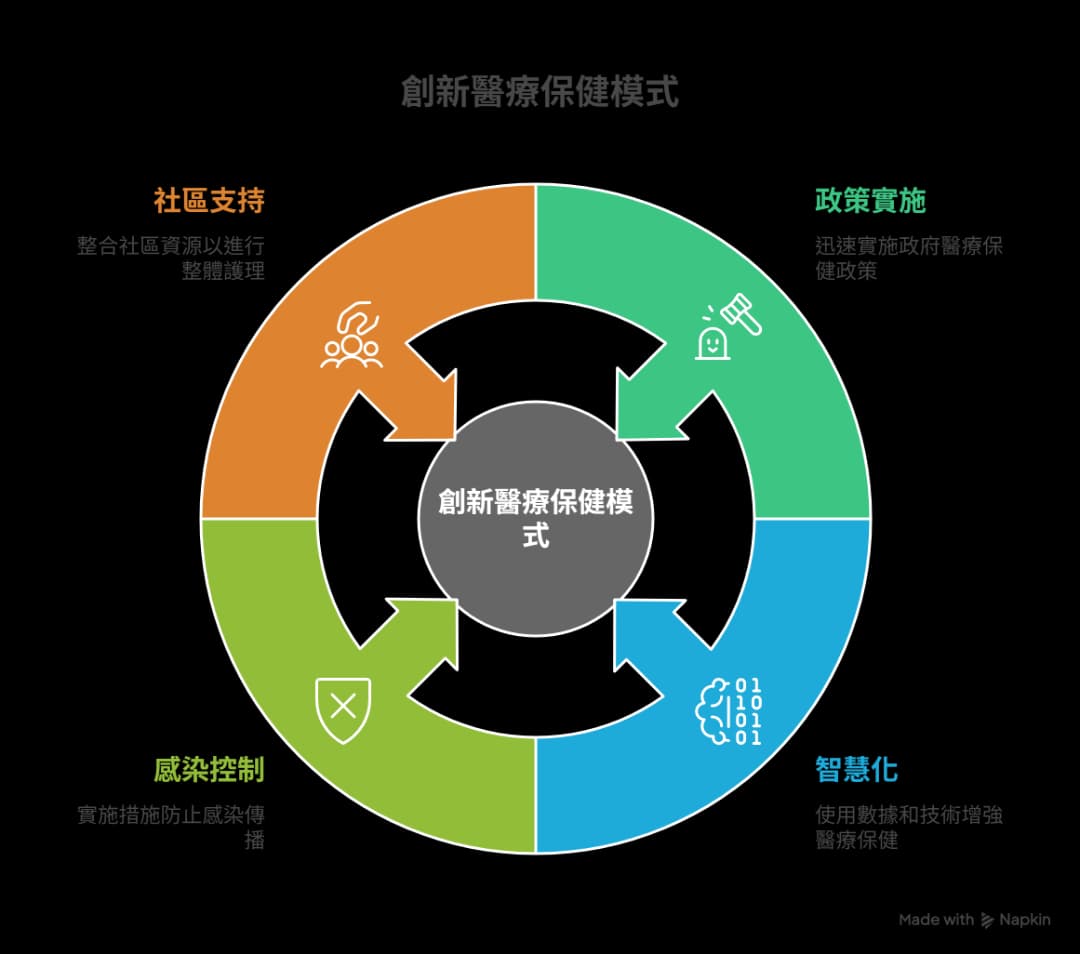
Innovative Care Leadership: Surpassed national hepatitis C elimination targets, pioneered a premier dialysis palliative care model, and deployed a smart digital platform.
Enhanced Patient Outcomes: Reduced complications and pain through precision vascular management while improving quality of life via holistic, fast-track services.
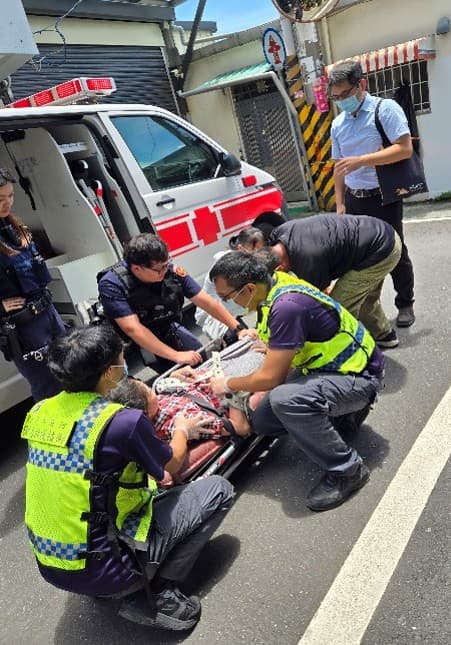
Sustainability & Resilience: Cut medical waste by 30% and ensured uninterrupted service in remote regions and during disaster scenarios.