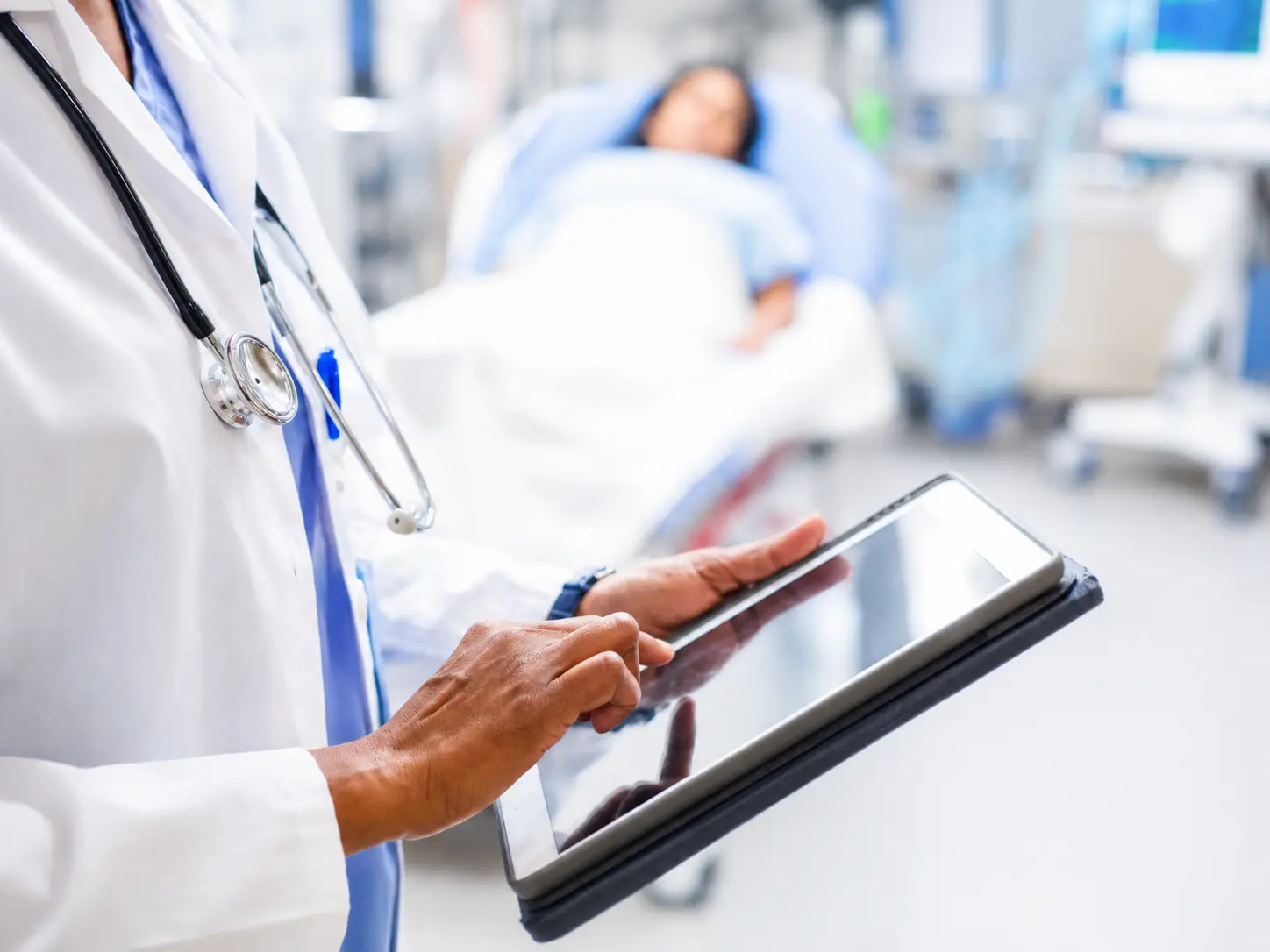
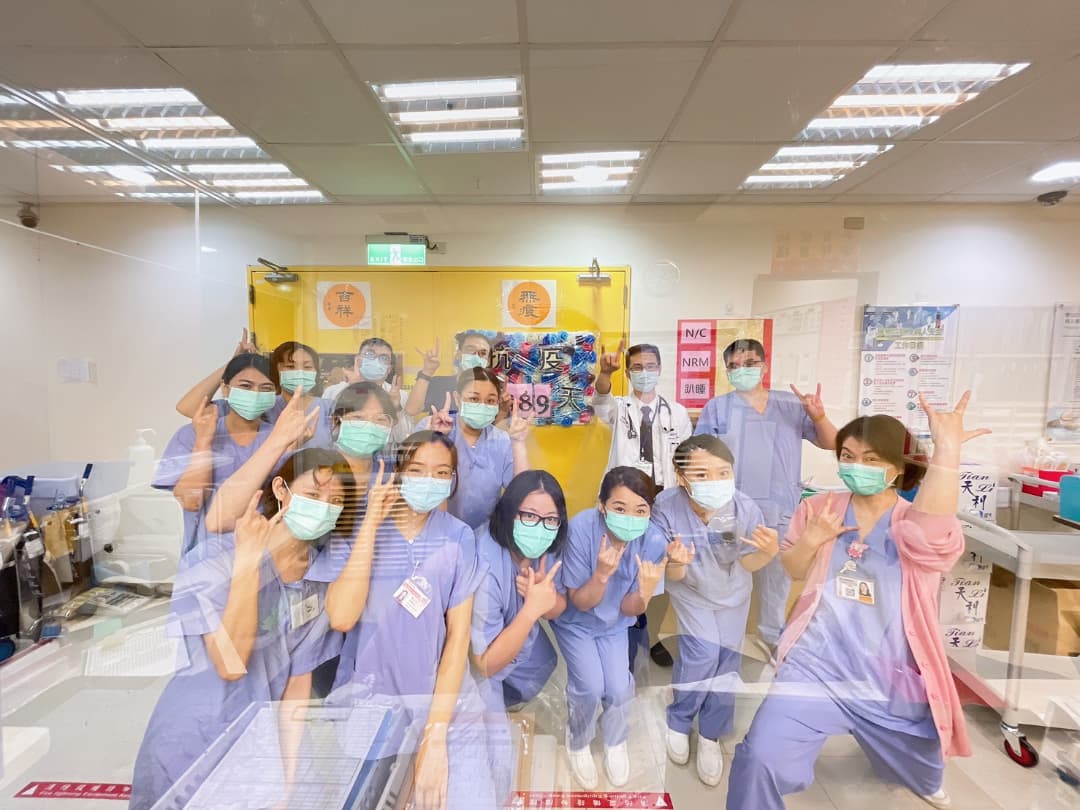
Hospital colleagues and patients receiving services
Shuang Ho Hospital has planned to implement several value-based healthcare projects in phases. The Department of Healthcare Quality and various relevant units of the hospital have collaborated to implement SDM (Shared Decision Making), Choosing Wisely, and ERAS (Enhanced Recovery After Surgery), and use Power BI to expand data-driven and smart healthcare, improve service efficiency, and create value. Emphasizing patient participation, we have implemented shared decision-making and Choosing Wisely for many years, and relevant research has been published in highly cited journals. The ERAS program has not only introduced 12 procedures but also continues to improve patients' postoperative recovery. In terms of smart healthcare, we are constantly developing and introducing smart healthcare systems to reduce the burden on staff and improve service quality, and we will obtain the Smart Hospital Organization-Wide Label from the Taiwan Healthcare Policy Association in 2023. We strive to become a pioneer in promoting value-based healthcare, while also sharing our experiences with other healthcare institutions. The Department of Healthcare Quality upholds the concept of sharing, commitment, and common good and continues to promote patient-centered value-based healthcare at Shuang Ho Hospital.
The vice president leads the Department of Medical Quality and coordinates with clinical and administrative units such as the Department of Medical Affairs, Nursing Department, Pharmacy Department, and Information Office. The Evidence-Based Medicine Research Center provides consultation and education services, and the clinical departments assist in implementation.
SDM: The Department of Medical Products and the Shared Decision Making Resource Center will form a team to conduct SDM counseling audits. If the team is not performing correctly, it can be corrected in time to avoid reducing the effectiveness of SDM on that topic.
Choosing Wisely: In addition to regularly reviewing the implementation results at unit meetings, each implementation team reports the case acceptance status and related results at the Choosing Wisely Project Meeting every quarter. While introducing various topics, the hospital also conducts assessments and follow-up tracking of the patients admitted to the hospital.
Rotavirus vaccination rate increased from 71% to 89%
Avoided sole use of sliding scale insulin: 51.6% (2013) to 0.1% (2024)
Avoided pre-transfusion antihistamine/corticosteroid: 29.8% (2023) to 14.8% (2024)
ER Syncope patients without unnecessary Brain CT: 46% (2019) to 1.2% (2024)
Prophylactic antibiotics ≤24 hours: 98.7% vs medical center 96.4%
Post-spinal anesthesia headache rate: 0.25% vs literature 3%
Orthopedic surgical complications: 2% to 0.5%
Gastrectomy/pancreaticoduodenectomy: NG tube days reduced 86.5%, urinary catheter days reduced 80%, major complications reduced 69.14%, hospital stay reduced 38.02%
Post-spinal anesthesia headache rate 0.25%
Orthopedic post-operative complication rate reduced to 0.5%
Avoided routine chest X-ray in ICU
Reduced unnecessary urinary catheterization
Reduced unnecessary central venous catheter use
268 participants in satisfaction survey
Satisfaction score 4.8
SDM: 5 published in highly cited journals, leading the country
Patient costs reduced 46%
Radiation exposure reduced 51.6%
Promoted evidence-based medicine education and training
Established first SDM research system in Taiwan
Trained 200 quality management seeds, 35 quality physicians, 65 medical quality and patient safety instructors
Became SDM benchmark for multiple medical centers and regional hospitals
Visited by National Center for Geriatrics and Gerontology in Japan
Invited for experience sharing by domestic and international healthcare organizations
Implemented patient-centered healthcare delivery model