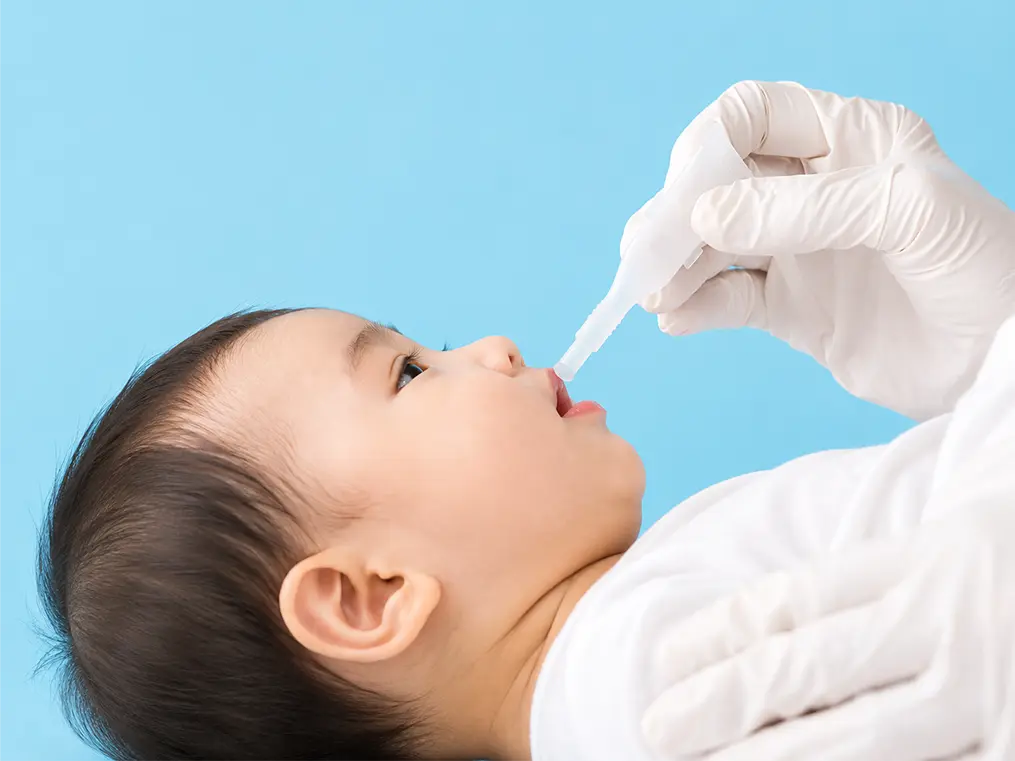
.Infants aged 1–6 months.
.Families at well-baby clinics.
.Families considering rotavirus vaccine.
.Families needing decision support.
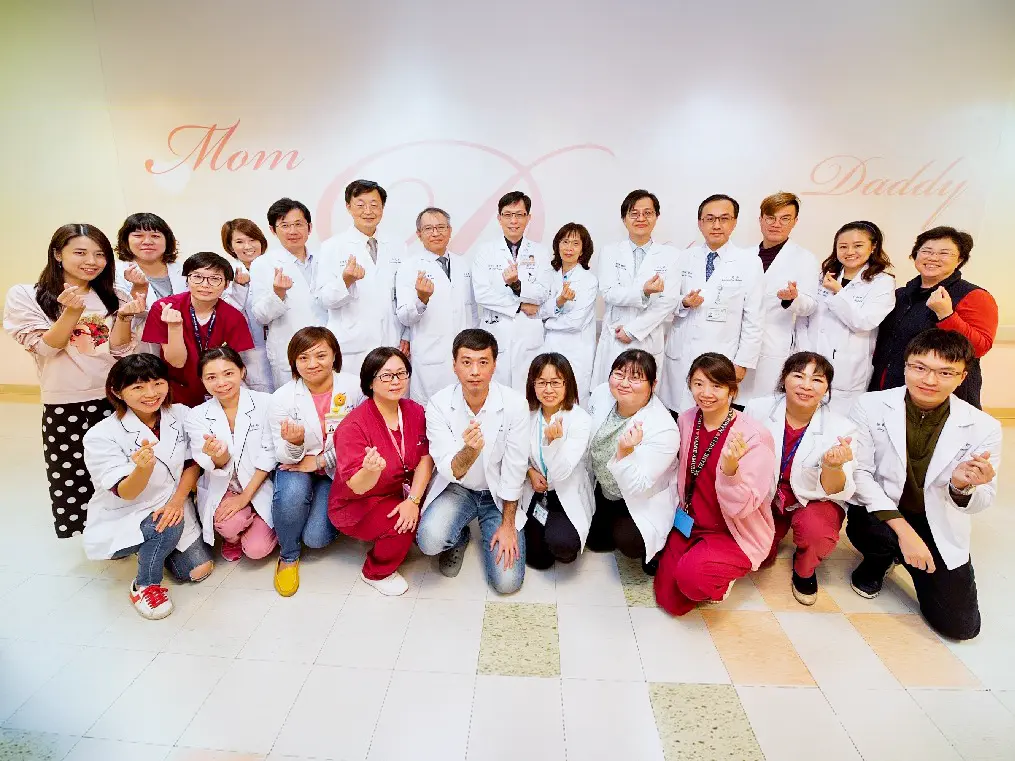
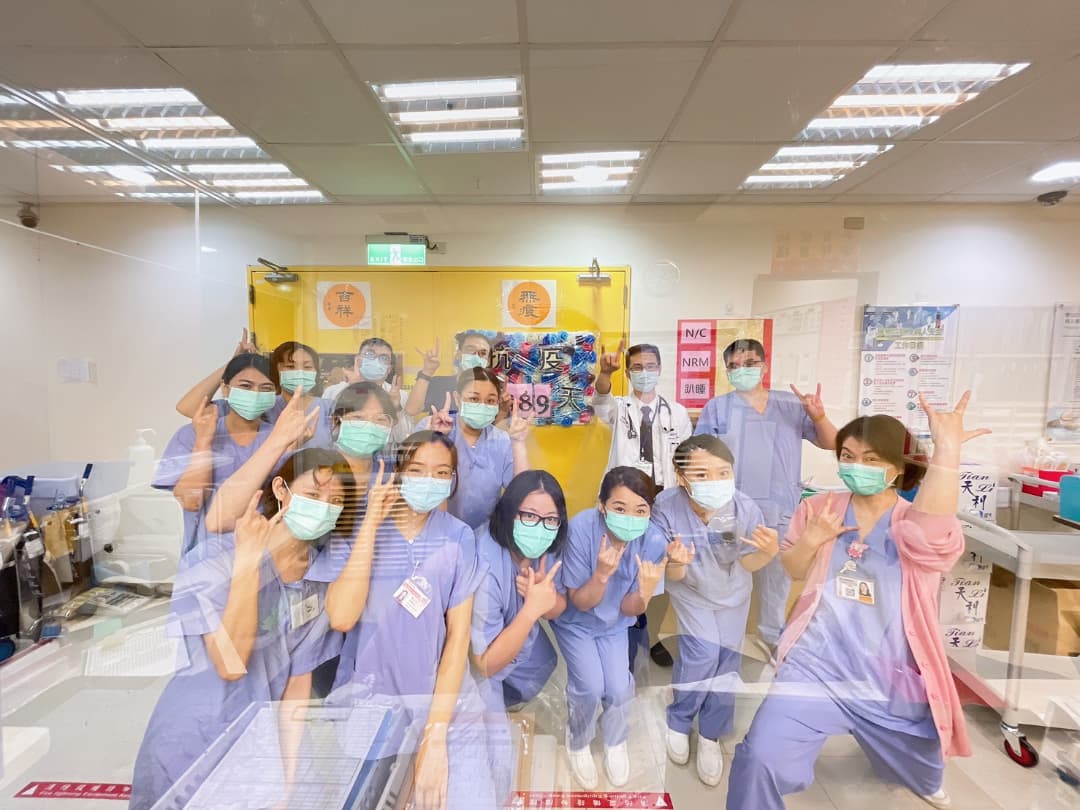
In order to enhance the relationship between doctors and patients and establish a healthy whole-person medical culture, the country's first "Medical-patient Shared Decision-making Resource Center" was established to effectively promote shared decision-making between doctors and patients. The Department of Pediatrics of Shuanghe Hospital cooperates with the Medical-Patient Shared Decision-making Resource Center to innovatively use the "medical-patient shared decision-making" model and the "medical-patient shared decision-making aid tool" to help the baby's family decide whether the baby will receive the oral rotary vaccine at their own expense, so that the baby's family members know about the wheel vaccine. You can better understand the vaccine and decide whether to let your baby receive the "self-paid oral rotary vaccine" based on your own situation. Our pediatric team consists of experienced pediatricians and specialist nurses. It provides vaccinations and health care, and has also helped countless sick children recover from health. It has also helped with COVID-19 vaccines and influenza injections, and is widely trusted and recognized by the public. We also continue to cooperate with the Medical and Patient Shared Decision-Making Resource Center to promote "Shared Medical and Patient Decision-Making (SDM)" and use the "medical and patient Shared Decision-Making Aid Tool" in medical preventive injection and health care.
Use the "Doctor-patient shared decision-making aid (PDA)" to promote "doctor-patient shared decision-making (SDM)" in medical preventive injection health care.
In a 2020 study at Shuang Ho Hospital’s Department of Pediatrics, 87% of infants in the shared decision-making (SDM) group received self-paid oral rotavirus vaccine. The vaccination rate was 16.7% higher than in the non-SDM group. Based on 200,000 annual newborns nationwide, this could increase vaccination by 32,000 infants. Increased vaccination may reduce hospitalization by 85%, easing the burden on families and society. SDM has been continuously implemented in the well-baby clinic, serving 779 families in 2021, 403 in 2022, 474 in 2023, and 250 from January to July 2024. The hospital’s rotavirus vaccination rate remained 85.37%–87.59%. Families reported significantly higher satisfaction with written decision-aid materials. They better understood rotavirus vaccine information, benefits and limitations; were better able to ask questions; and felt more confident deciding whether to vaccinate. Compared with other hospitals (40%–55%), our vaccination rate was higher at 85.37%–87.59%. Through continued collaboration between Pediatrics and the SDM Resource Center, this pioneering SDM and patient decision-aid model supports informed family choices and may inform future vaccine policy.
The research results and applications of the pediatric team of Shuanghe Hospital and shared decision-making papers were published in foreign journals
"preventive medicine"
"The impact of shared decision making with patient decision aids on the rotavirus vaccination rate in children: A randomized controlled trial." The rotavirus vaccine vaccination rate in the SDM group was 16.7% higher than that in the non-SDM group.
. Vaccination rate in the SDM group was 16.7% higher than in the control group.
. Vaccination rate was maintained between 85.37% and 87.59%.
. Standardized SDM and PDA workflows were implemented.
. Patient flow was separated into well-child and sick-child clinics.
. Risk of cross-infection among infants and young children was reduced.
. Vaccines were stored in designated refrigerated zones in accordance with regulations.
. Vaccine details were double-checked prior to administration.
. No complications or adverse events occurred.
.Satisfaction with understanding of information: 4.56 points.
.Satisfaction with assistance in vaccine decision-making: 4.54 points.
.Satisfaction with assistance in asking questions: 4.50 points.
.Satisfaction with decision-making confidence: 4.58 points.
.Satisfaction with understanding of pros and cons: 4.51 points.
.All satisfaction ratings reached statistical significance.
The academic paper of the pediatric team of Shuanghe Hospital was cited by the American team in the foreign journal "Journal of Internal Medicine"
『Shared decision making interventions: An overview and a meta-analysis of their impact on vaccine uptake』
.Enhance the quality of vaccine-related knowledge and decision-making for family members.
.Establish a standardized Shared Decision-Making (SDM) process for vaccine health education.
.Increase the rotavirus vaccination rate by 16.7%.
.Reduce the risk of hospitalization due to rotavirus among infants and young children.
.Alleviate the medical burden on families and society.
.Provide a reference for future vaccination policies.