Terminally ill patients include cancer and non-cancer end-stage cases, frail elders, and those under Patient Right to Autonomy Act conditions, rare diseases, or other life-limiting circumstances.
Most patients receiving palliative care hope to spend the final stage of their lives at home, maintaining dignity and quality of life while being accompanied by their families. However, due to limited caregiving resources and insufficient home-based medical support, many patients are unable to fulfill this wish.
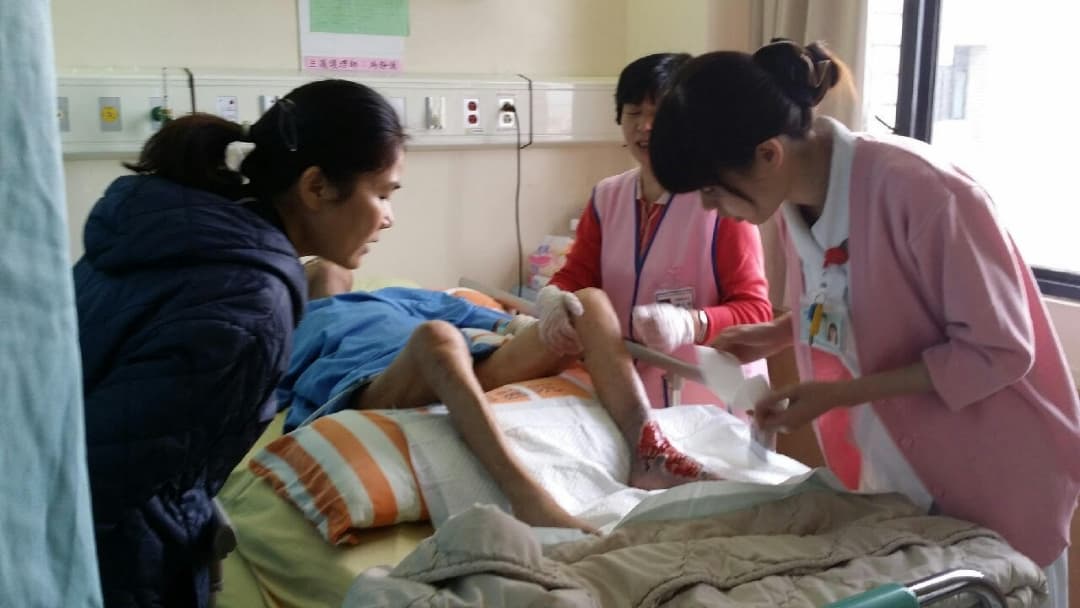
Through the integration of interdisciplinary hospice home care services, this program aims to enhance care accessibility, strengthen family caregiver support, and improve the overall quality of home-based end-of-life care, thereby enabling patients to experience a dignified and peaceful death in a familiar home environment.
During home care, if a patient's condition changes and requires hospitalization, the team can provide immediate referrals and support, ensuring continuity of medical and care, allowing patients and their families to feel supported at every choice and turning point.
As Taiwan enters a super-aged society, our team also actively collaborates with long-term care institutions to promote palliative care, enabling patients in institutions to also enjoy warm and dignified end-of-life care, jointly realizing the vision of "peace in both life and death."
Palliative Care Card: Establishing a green channel for rapid admission to palliative care wards.
Free referrals to religious practitioners, spiritual care therapists, and aromatherapists for home care.
24-hour contact number: Establishing LINE communication and emergency contact numbers for nights and holidays.
Integration of professional service team resources: Patient-centered approach, integrating doctors (Traditional Chinese Medicine practitioners, dentists), nurses, psychologists, and social workers to jointly discuss care plans and conduct home visits.
Actively promoting institutional palliative care.
Number of enrolled cases: before improvement, 78 patients; after improvement, increased to 166 patients.
Number of visits: before improvement, 329 visits; after improvement, increased to 1,143 visits.
Number of institutional placements: before improvement, 0 patients; after improvement, increased to 26 patients annually.
Home death rate: before improvement, 64%; after improvement, increased to 78%.
Emergency visit rate: before improvement, 39%; after improvement, decreased to 32%.
All three aspects (structural, process, and outcome) met the target values.
Three-tube removal rate – nasogastric tube: 5 cases from 2021 to 2024.
Three-tube removal rate – urinary catheter: 7 cases from 2021 to 2024.
Pressure ulcer incidence: remained below 3.2% from 2012 to 2021, lower than the 8% incidence reported in the literature.
Family satisfaction: before improvement, 100%; after improvement, remained above 98%.
Letters of appreciation: before improvement, 9 cases; after improvement, increased to 28 cases.
In 2021, only 8% of palliative care patients in our country received home-based hospice care. Our team actively promotes home-based palliative care to reduce unnecessary medical interventions.
We actively promote institutional palliative care to reduce the burden on patients and their families caused by frequent travel between hospitals and care institutions.
We have established a “Palliative Care Card” to facilitate a dedicated care coordination pathway.
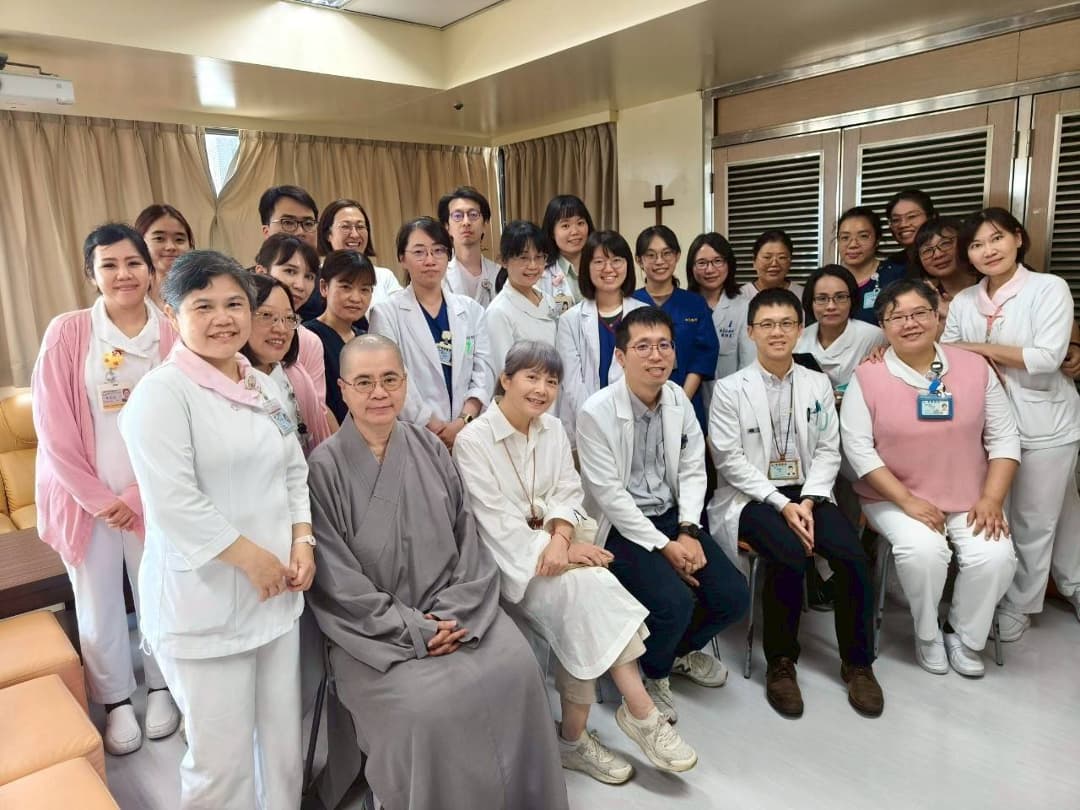
We are patient-centered and have established cross-team collaborations, involving not only hospital-based teams but also religious practitioners, spiritual care providers, and aromatherapists who can provide home-based services. By integrating community resources, we aim to ensure that palliative patients can pass away with dignity and peace at home.