1.ICU patients with poor outcomes
2.Terminal patients with poor prognosis
3. End-stage cancer/organ failure
4. Patients with AD/ACP
5. Families facing major decisions
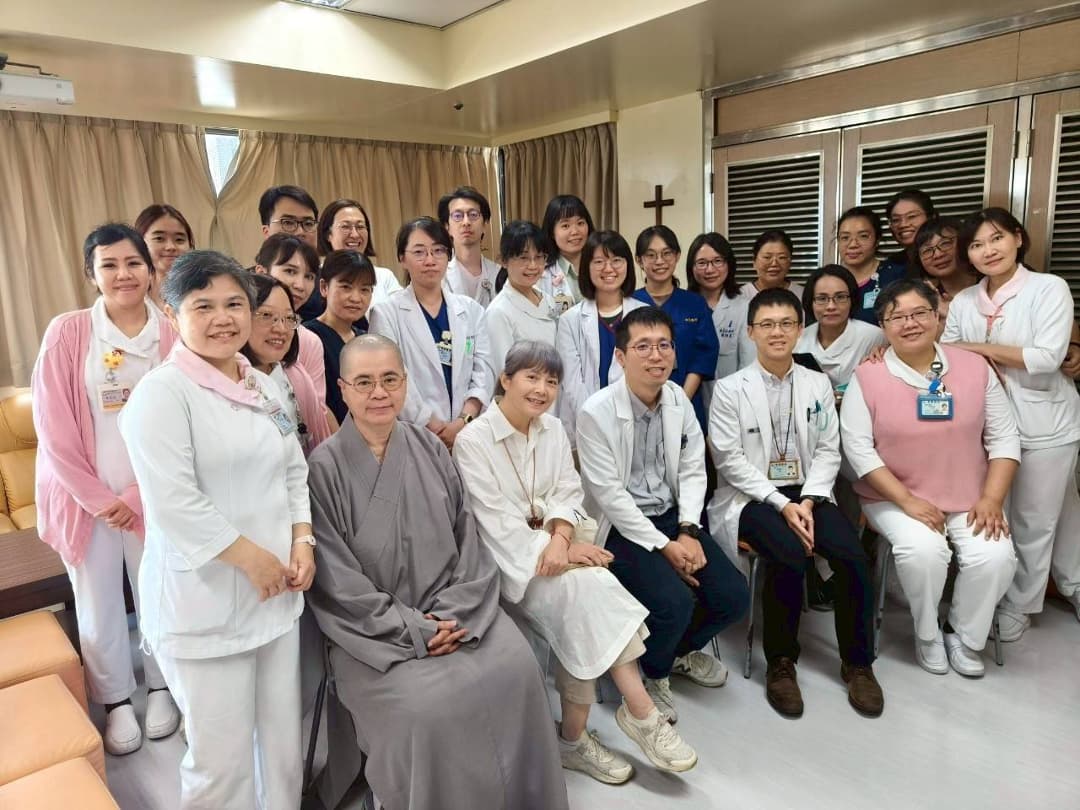
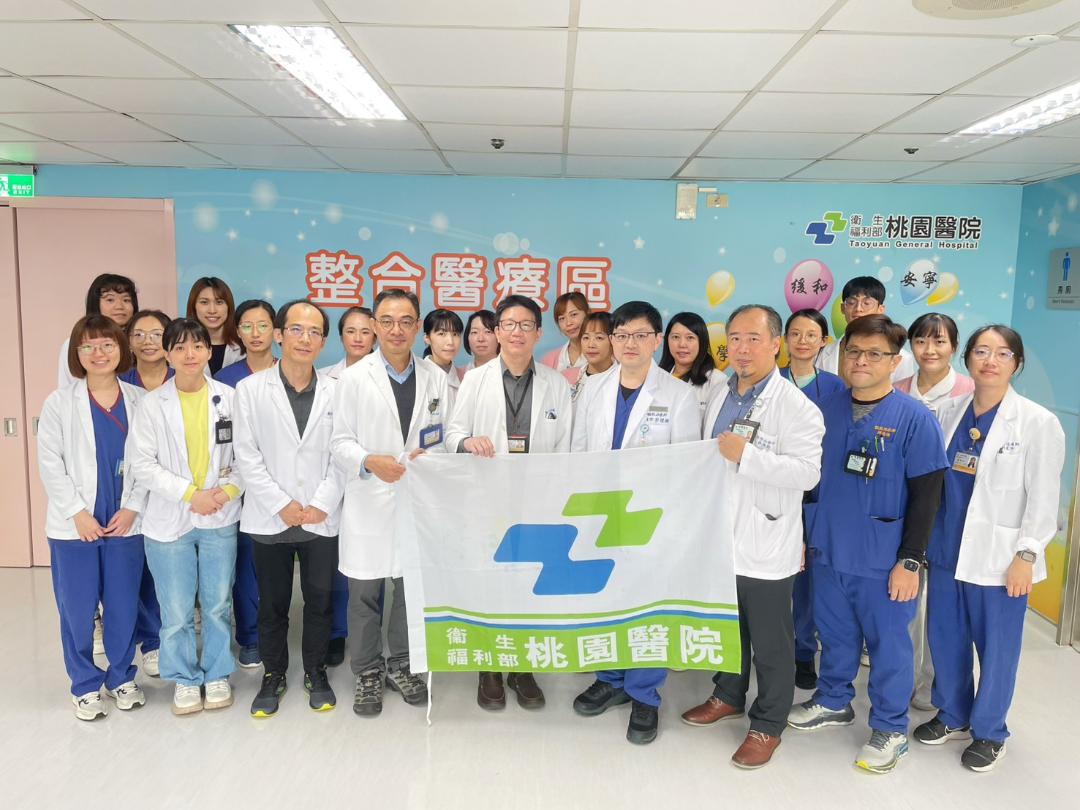
6. ICU/hospice teams
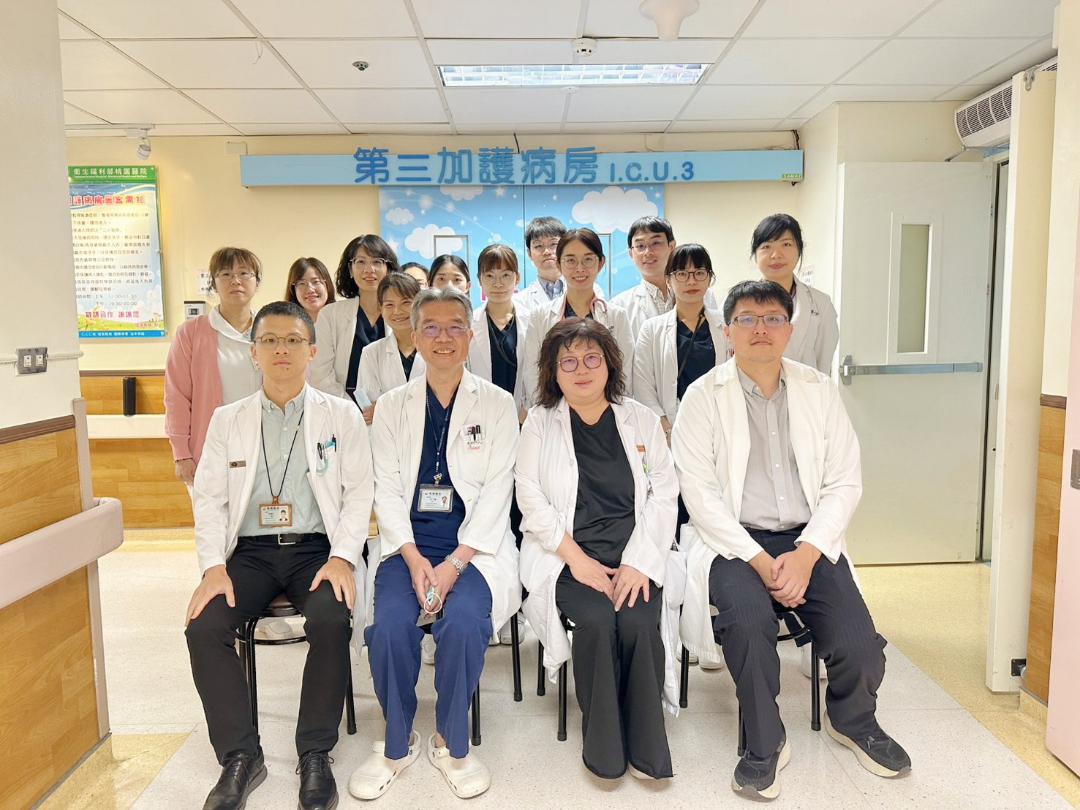
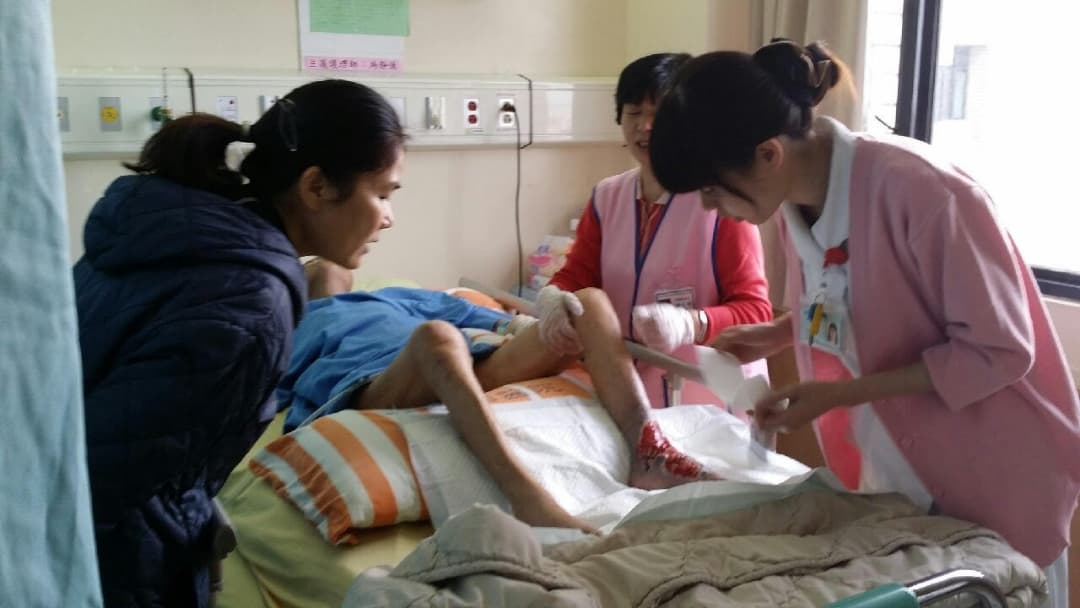
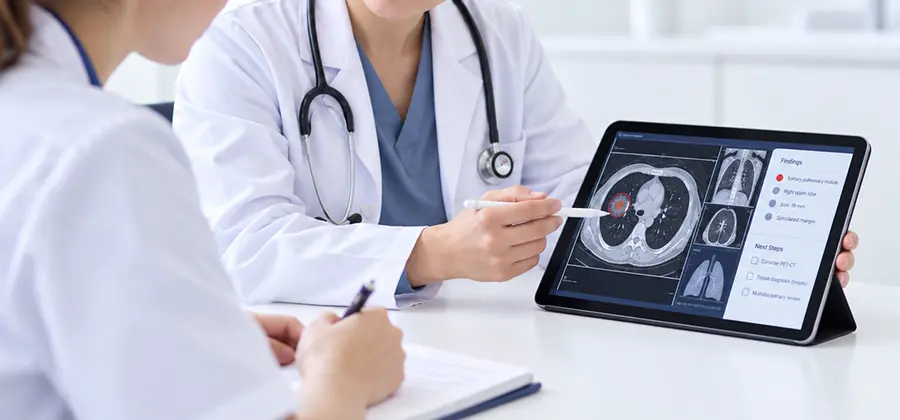
This program establishes a patient-value-centered intensive care hospice model. It integrates professional teams from intensive care, palliative care, social work, and psychological support for terminal patients. Through early identification, a two-stage family meeting mechanism, and Shared Decision Making (SDM), the program helps patients transition from aggressive treatment to palliative care, reducing futile medical treatment and improving end-of-life quality.
1.Standardized early identification for terminal patients
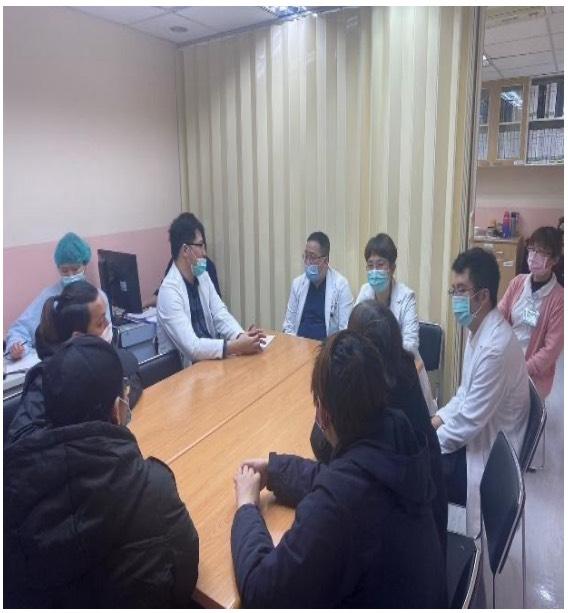
2.Innovative two-stage structured family meetings
3.Digital LINE platform for meeting appointments
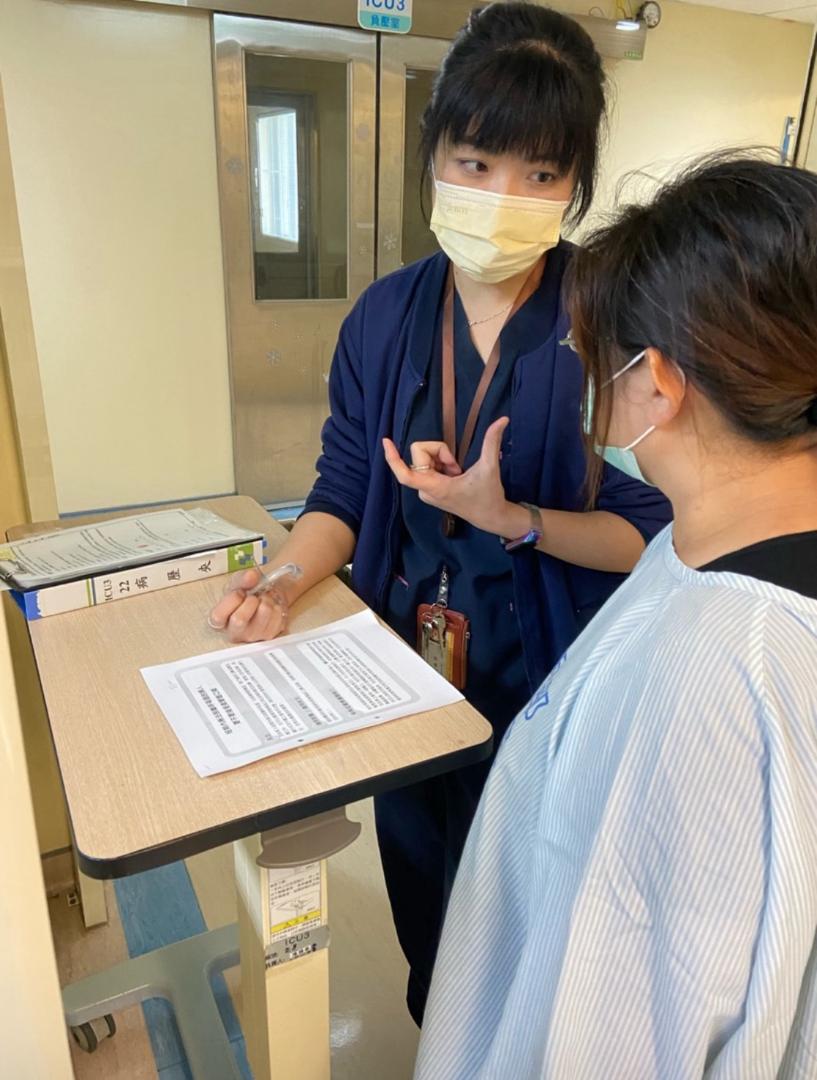
4.QR Code integration for real-time health education
5.Standardized clinical guidelines for life-support withdrawal
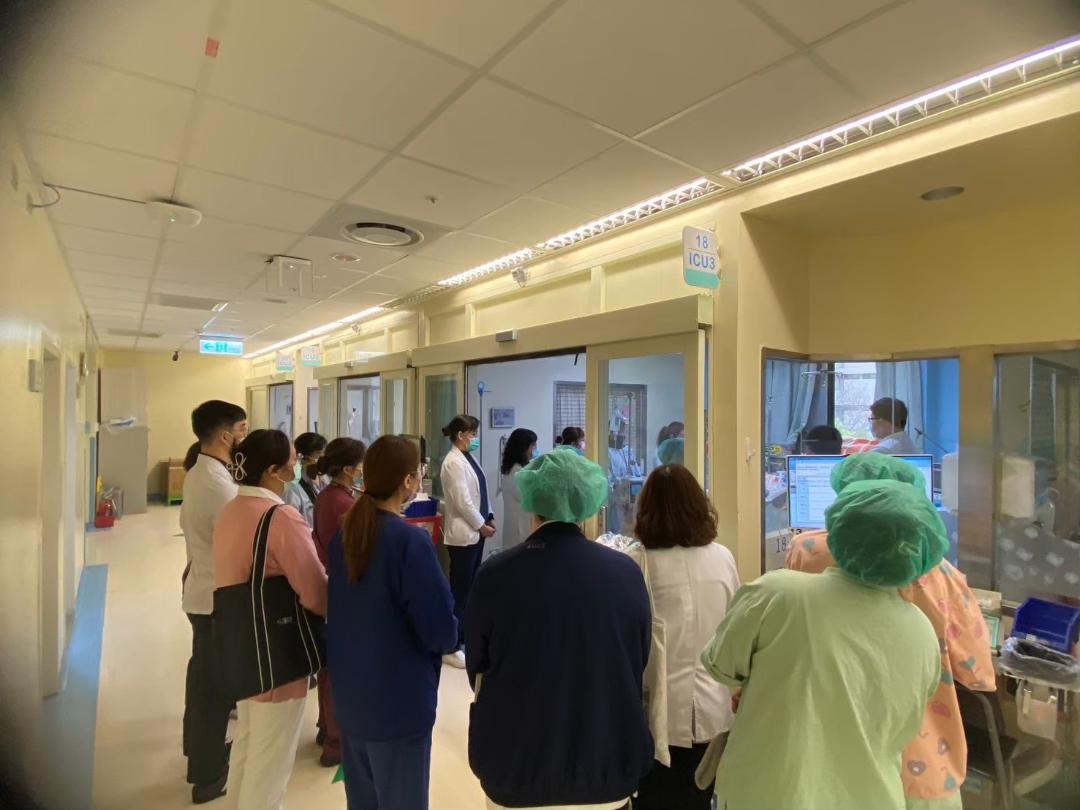
6.Humanized "off-site extubation" and team accompaniment
1.Total palliative consultations: 244 cases
2.Life-support withdrawals executed: 87 cases
3.DNR (Do Not Resuscitate) orders signed: 341 cases
4.Successful organ donations after brain death: 2 cases
5.Quarterly consultations increased from 39 to 44
6.Quarterly withdrawals increased from 12 to 16
1.Family SDM anxiety score: 5.0 reduced to 3.6
2.Decline in patients hospitalized >14 days
3.High-anxiety cases dropped to 10% post-SDM
4.Family meetings held within 96 hours of admission
5.Evaluations completed within 48-72h of consultation
6.Steady increase in terminal withdrawal execution rate
1.Terminal CPCR events approaching zero
2.Reduced decision conflicts via SDM processes
3.Adherence to ethical guidelines for withdrawal
4.Dedicated hospice spaces for privacy and safety
5.Digital communication verified by security units
6.Pharmacist-reviewed safety for palliative medication
1.Overall family satisfaction reached 93.8%
2.High recognition of medical team professionalism
3.Digital tools improved family engagement
4.Positive feedback on environmental space
5.Consistent praise for communication and support
1.Digital transformation based on global research
2.Developed world-class palliative withdrawal models
3.Continuous SCI journal publications for visibility
4.Participation in national databases and multi-center studies
5.Progressing toward a global model for hospice care
1.Successfully guided ICU patients to a dignified death
2.Effectively reduced waste caused by futile medical care
3.Established a benchmark for intensive care hospice in Taiwan
4.Implemented ethical practices for the Patient Righ to Autonomy Act
5.Strengthened psychological adaptation for grieving families