Adults aged ≥60
High-risk osteoporosis & sarcopenia groups
Community and rural residents
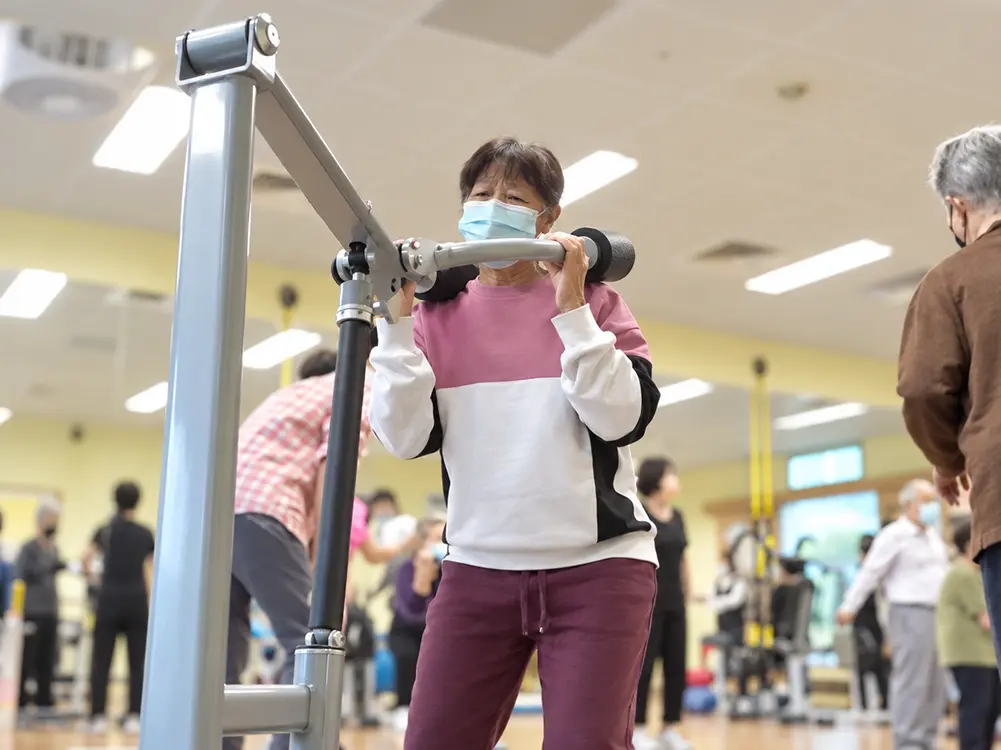
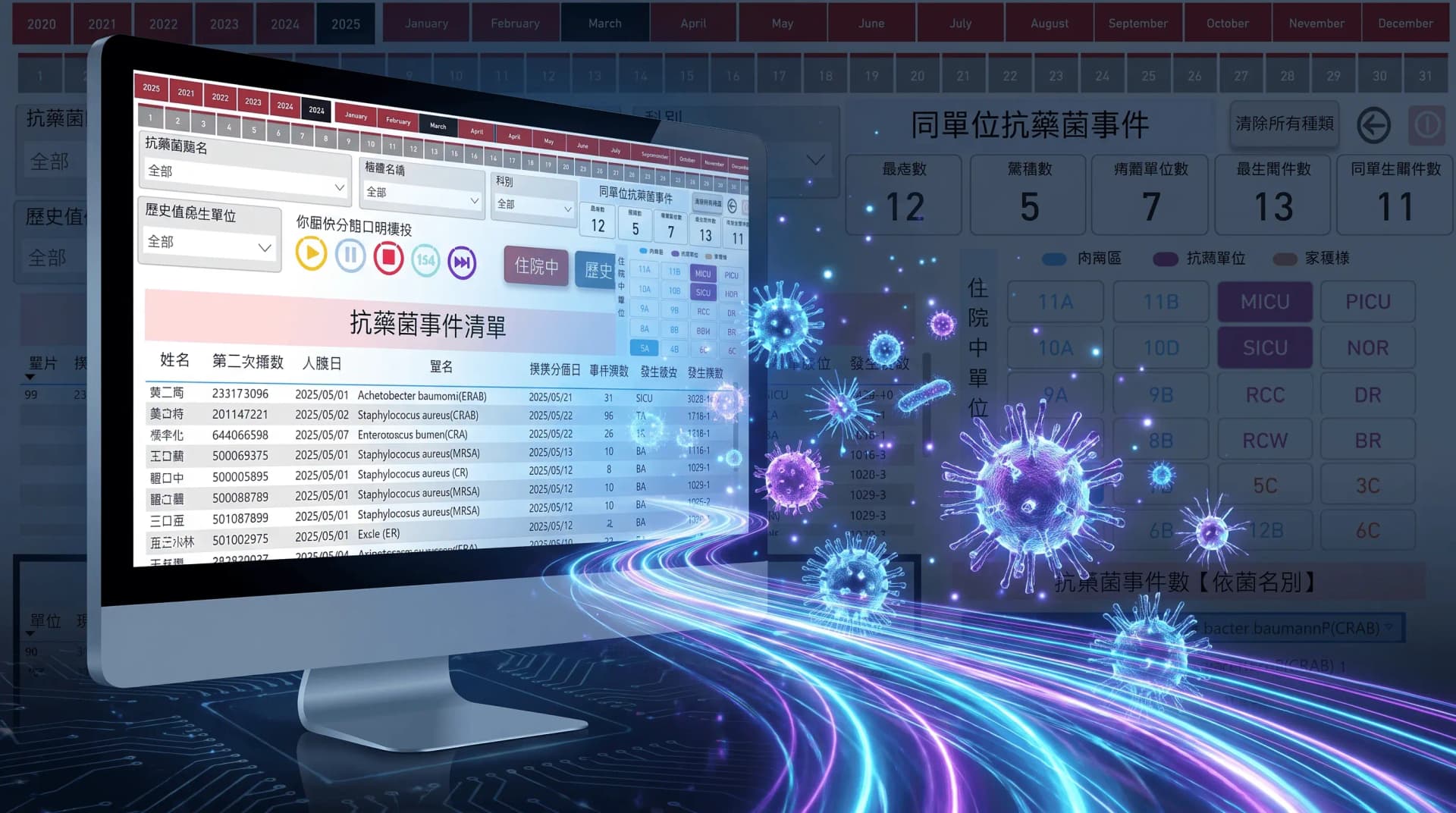
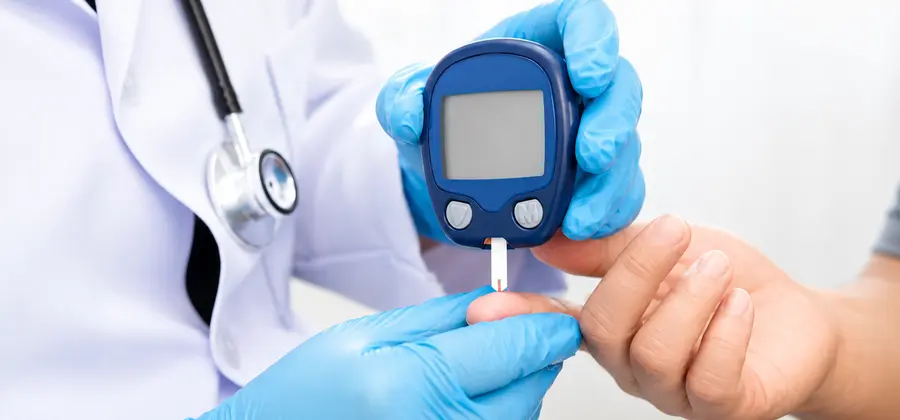
In response to the challenges of population aging and the high prevalence of osteoporosis in Chiayi County, Dalin Tzu Chi Hospital integrated resources from hospitals, local health centers, and communities to establish a smart, FLS (Fracture Liaison Service)–based integrated care network for osteoporosis and sarcopenia. Through mobile healthcare services deployed in community settings, the program incorporates AI-assisted osteoporosis imaging, bone density assessment, and sarcopenia screening to enhance early detection and timely referral of high-risk populations. A Power BI data platform was implemented to continuously monitor treatment outcomes, medication adherence, and risks of falls and re-fractures, supported by real-time alerts and quality management mechanisms. In parallel, the program guided and supported local health centers in achieving FLS Bronze Certification, strengthening primary-level care capacity and ensuring standardized, continuous care pathways. Overall, this integrated model has improved care quality, reduced re-fracture risk and healthcare burden, and demonstrates high scalability and replicability as a model for geriatric bone health care.
Key Technologies: Integrating AI-based osteoporosis imaging interpretation, mobile healthcare equipment, and a Power BI data platform to consolidate bone density, sarcopenia, and fall-risk information, thereby enhancing real-time identification and follow-up of high-risk populations.
Key Features: Establishing a vertically integrated smart care network linking hospitals, local health centers, and communities, supported by digital referral mechanisms and dedicated case management to ensure continuous and uninterrupted care pathways.
Innovative Approach: Initiating care through mobile screening services and connecting specialist evaluation, FLS treatment, and platform-based feedback and follow-up, forming a one-stop, end-to-end service model encompassing screening, medical care, and health maintenance.
Approximately 180–190 mobile healthcare service sessions conducted annually
All 18 local health centers across the county included in the care network
Osteoporosis referral and enrollment cases increased more than fourfold
Bone density examination rate increased to 93.5%
Treatment medication adherence rate improved to 85%
Re-fracture rate reduced to 0.03%
Re-fracture rate reduced to 0.03% and monitored as a quality indicator
Fall rate and fall-related incidents continued to decline
Real-time alerts and follow-up for emergency visits enabled
Community service satisfaction exceeded 90%
User feedback highlighted clear processes and convenient services
High willingness for follow-up and return visits after screening
Achieved IOF FLS International Silver Certification
Outcomes published and cited in international journals
Care model shared through collaboration with international organizations
Established a replicable integrated care model for osteoporosis and sarcopenia, enhancing the quality and consistency of healthcare domestically and internationally.
Developed standardized screening, referral, and treatment pathways, strengthening patient safety and improving care outcomes.
Reduced re-fracture rates and healthcare burden through prevention-oriented strategies and data-driven management, supporting sustainable healthcare development.