The target population includes external and internal customers: patients with diabetes and their families, and healthcare professionals such as physicians, nurses, case managers, and dietitians.
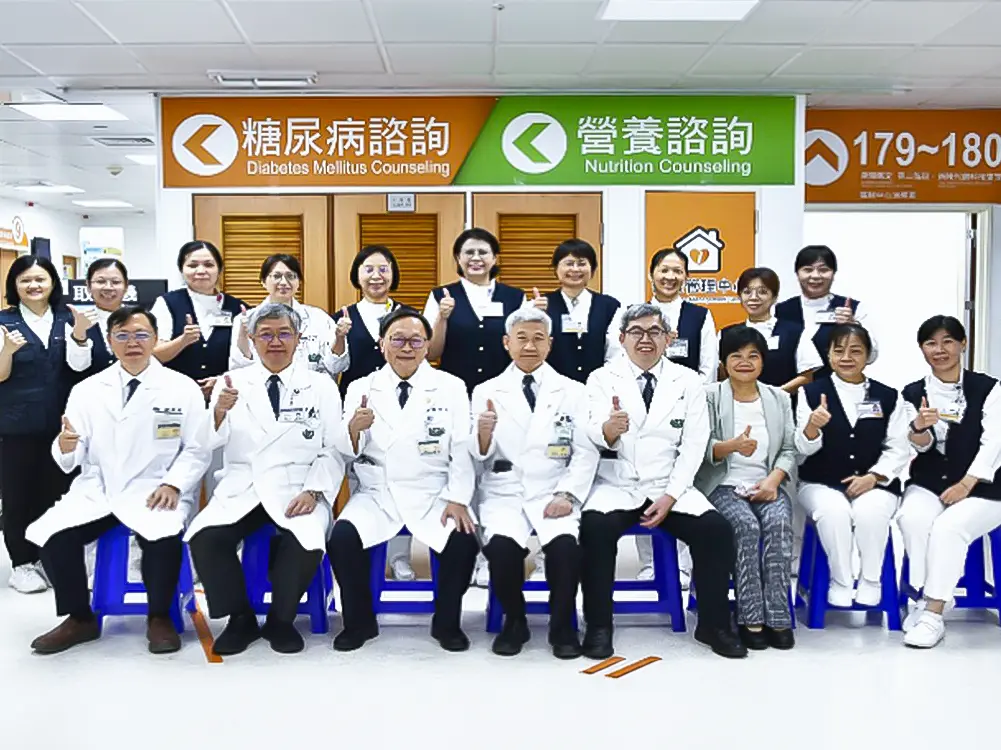
In the outpatient setting for diabetes patients at Dalin Tzu Chi Hospital, patients faced issues such as insufficient safety and privacy protection, the need to walk long distances, missed appointments, and patient complaints, all of which impacted their willingness to engage in health education and manage comorbidities during their visits.
To address these challenges, the team adopted Lean and Six Sigma's IDOV (Identify, Design, Optimize, and Verify) methodology to overhaul the medical space and service model. By designing a one-stop service and implementing a friendly healthcare flow, along with clear and effective signage systems, and utilizing a clear and effective spatial signage system, the team ensured that patients were able to smoothly access the healthcare services they needed.
These measures successfully shortened patient wait times, improved medical safety and convenience, eliminated the risk of privacy leakage, and ultimately enhanced patient satisfaction and employee job satisfaction.
Lean and Six Sigma (IDOV): Using the four-step IDOV methodology—Identify, Design, Optimize, and Verify—combined with Lean thinking, the team redesigned patient flow and spatial layout. A One-Stop Service model was established to streamline processes, reduce interruptions, and eliminate redundant movement.
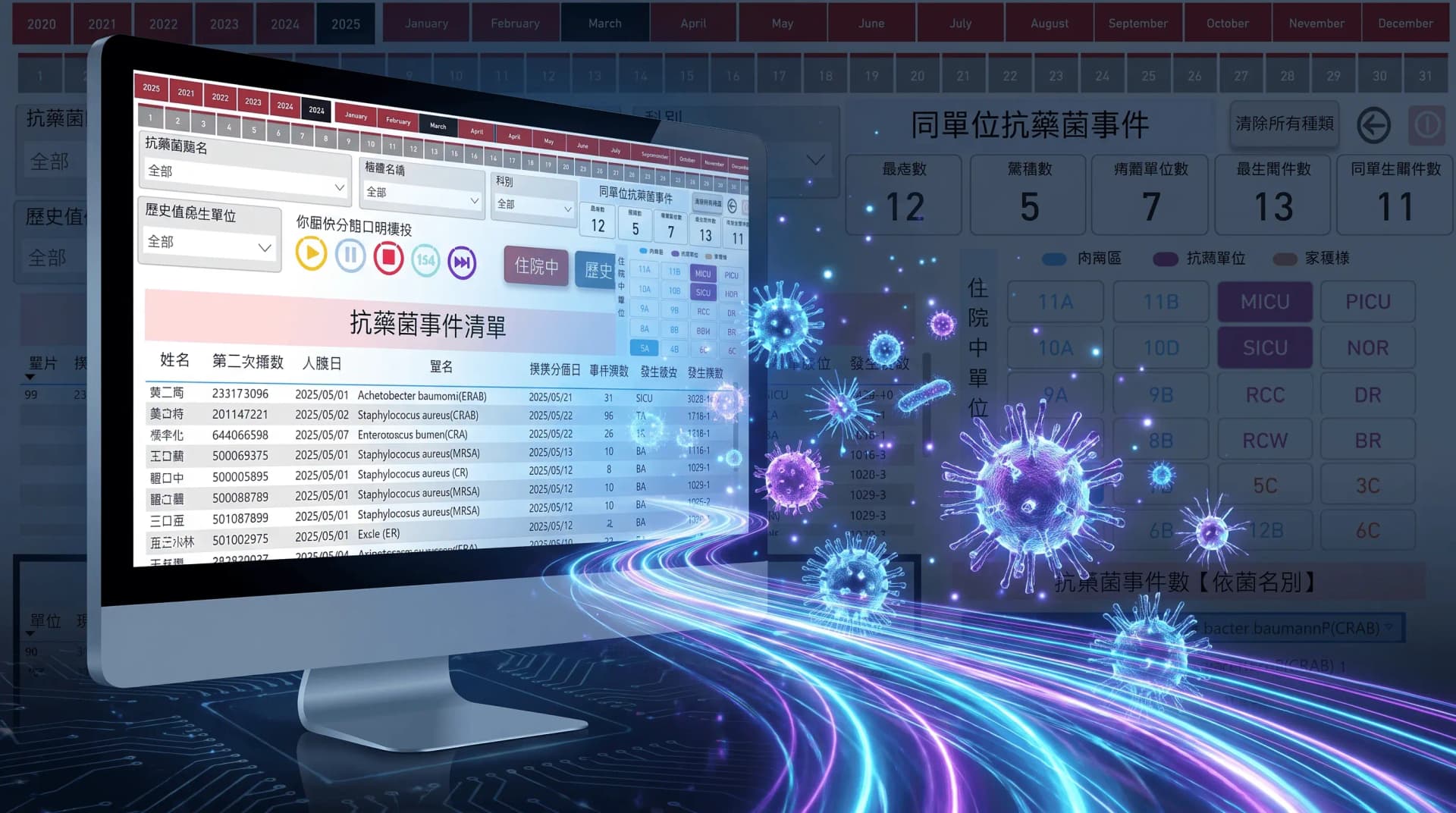
Smart Measurement and Alert System: Blood pressure, height, and weight devices are integrated with the medical 2.information system. Data are automatically uploaded, with real-time abnormal value alerts to support immediate clinical assessment, enhancing efficiency and patient safety.
Integrated Calling and Ticketing Platform: An integrated calling and ticketing system was implemented to prevent missed calls and repetitive verification, while reducing the need for manual guidance and follow-up inquiries, thereby improving patient experience and staff efficiency.
This project is patient-centered, aiming to create a safe and welcoming healthcare environment. It effectively enhances patient safety, optimizes service and treatment workflows, improves healthcare staff efficiency, and reduces resource waste. At the same time, it boosts patient satisfaction, enhances staff work experience, and allows room for future development.
These improvements effectively shorten patient waiting times for consultations, eliminate customer complaints, enhance patient privacy protection, and reduce the walking distance and time for both patients and staff. These enhancements not only increase satisfaction for both patients and staff but also lower operational costs, improve service efficiency, and ultimately boost the hospital's revenue.
Not provided
Not provided
NO
These improvements effectively shorten patient waiting times for consultations, eliminate customer complaints, enhance patient privacy protection, and reduce the walking distance and time for both patients and staff. These enhancements not only increase satisfaction for both patients and staff but also lower operational costs, improve service efficiency, and ultimately boost the hospital's revenue.