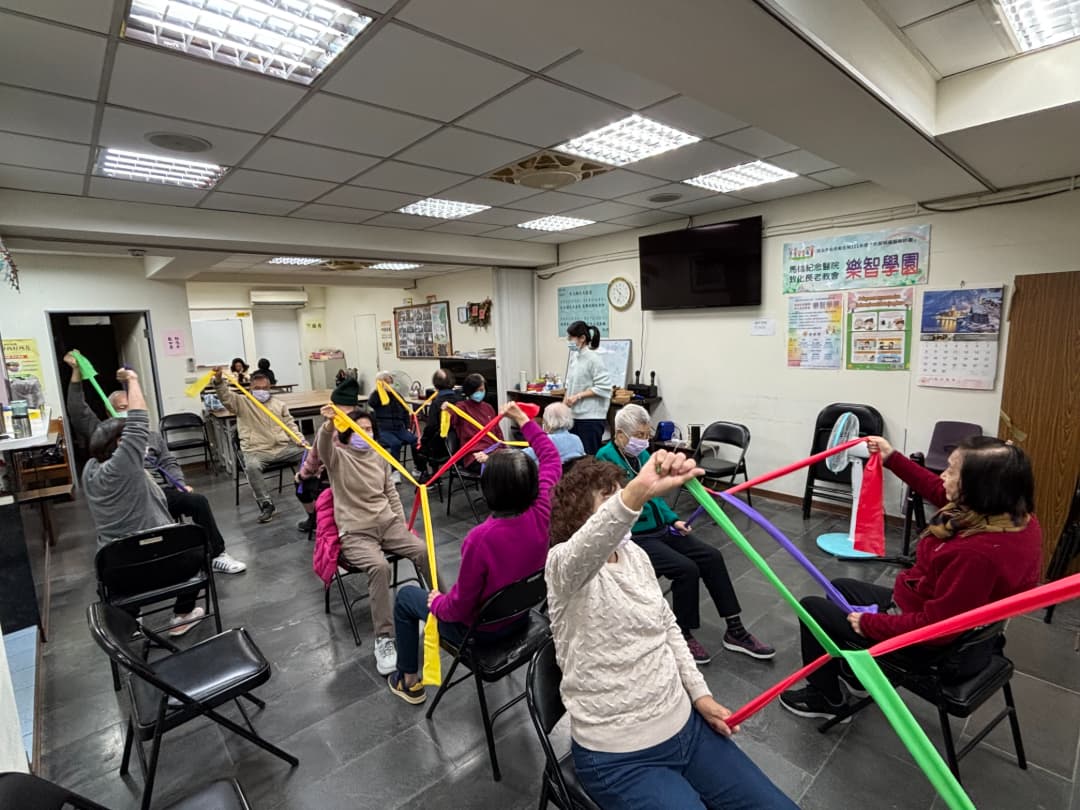
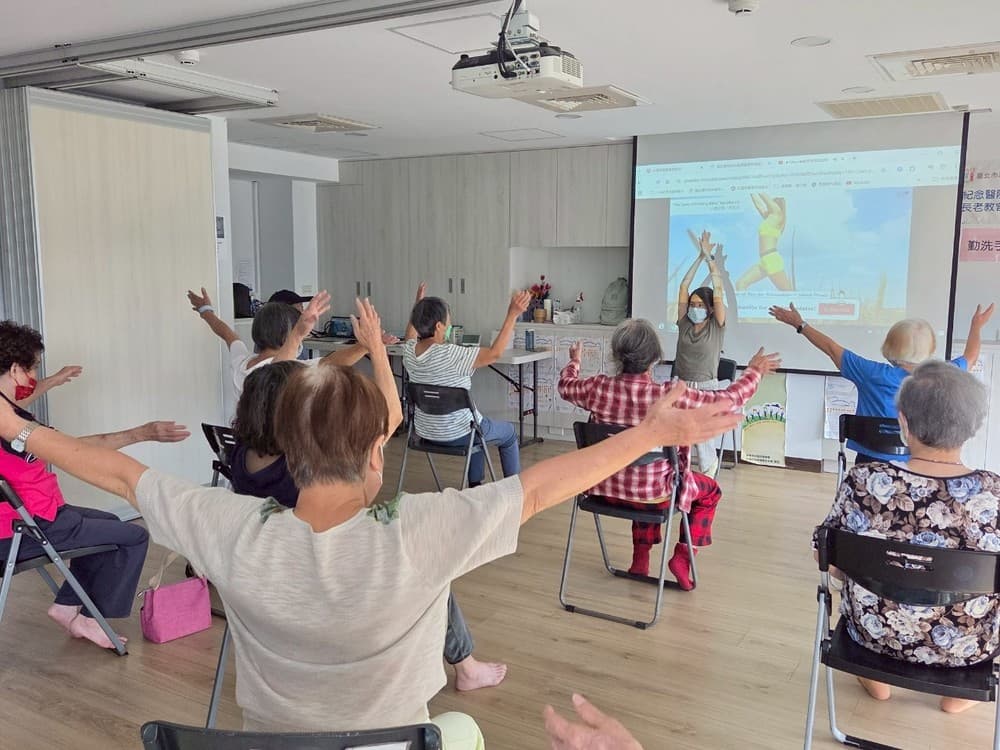
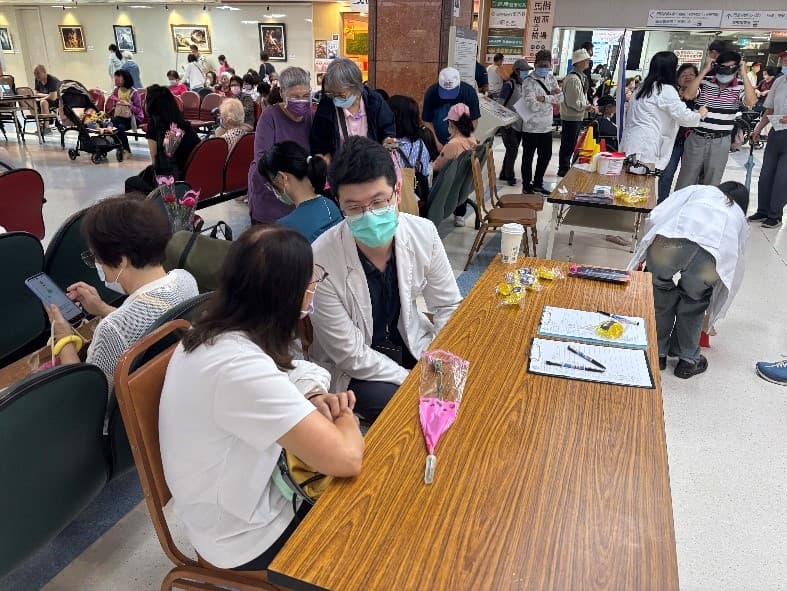
Mackay Community Health Stations: healthy and sub-healthy populations
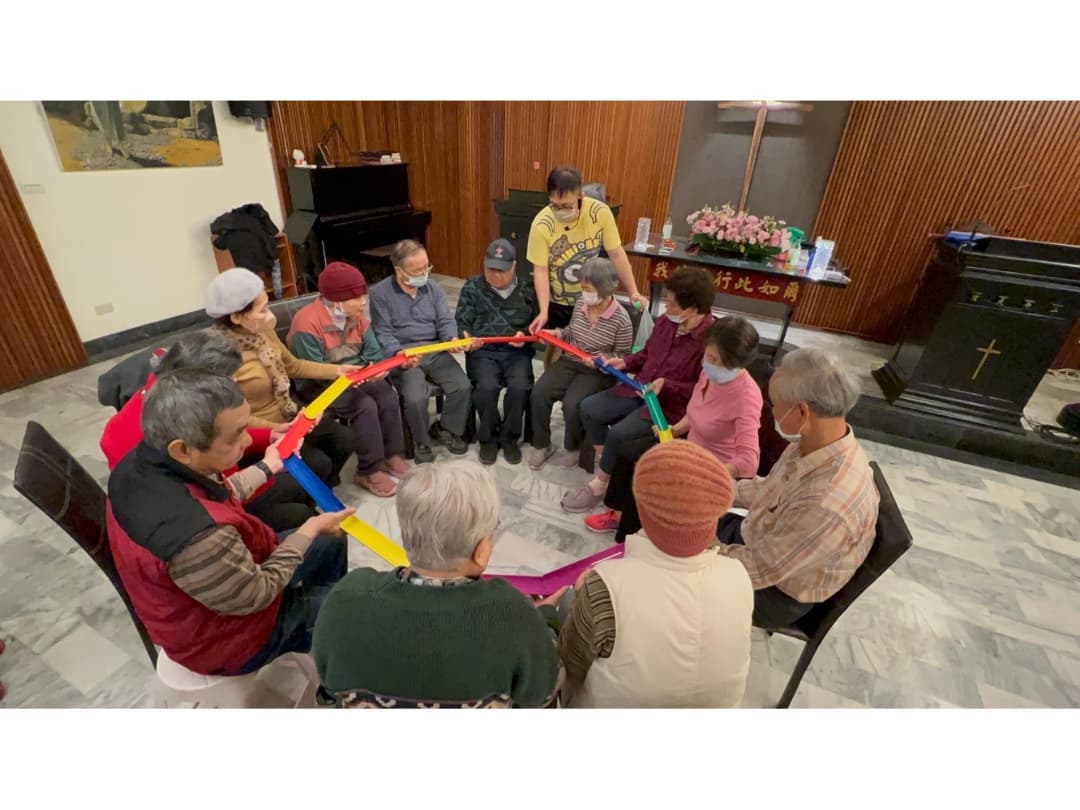
Mackay Dementia Care Centers: individuals with dementia and their family members or primary caregivers (e.g., foreign care workers)
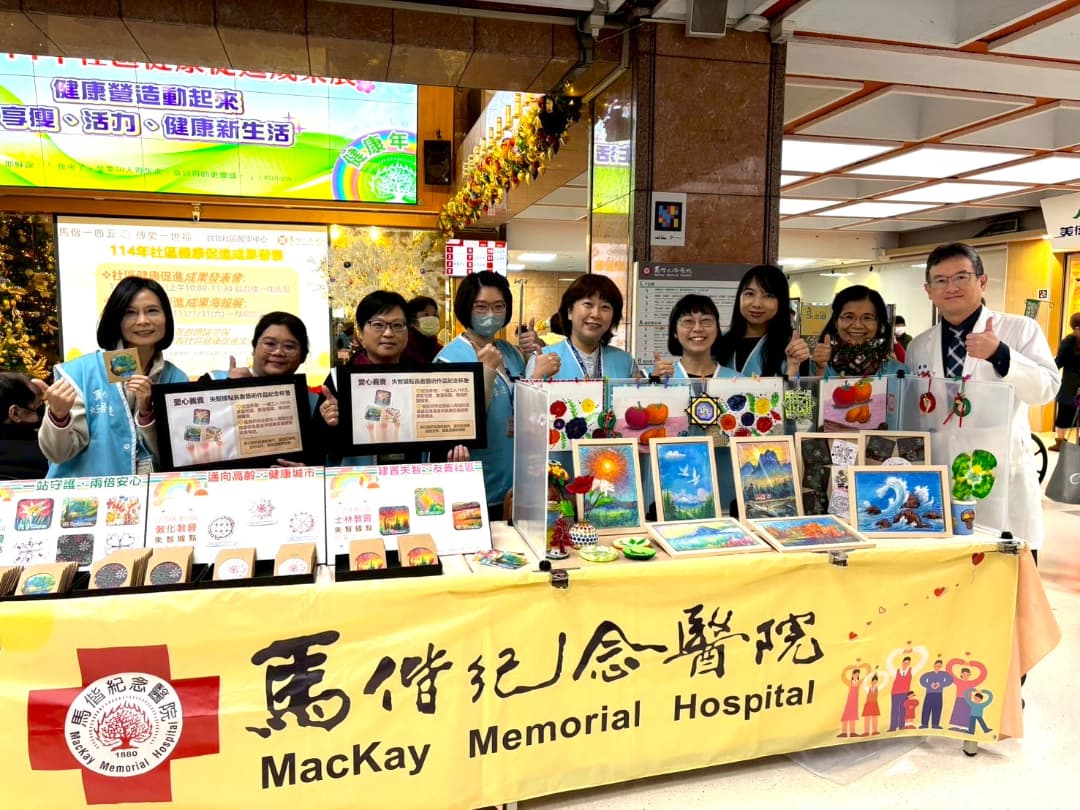
In response to the rapid growth of the aging population and the increasing demand for dementia care, Mackay Memorial Hospital, guided by its core mission of “caring for people with the love of Christ,” has developed a one-stop, community-based care model that integrates Community Health Stations with Dementia Care Centers. With strong support from the Hospital Superintendent and active engagement from the Community Health Stations, Mackay Memorial Hospital has partnered with three churches—Shilin, Yongle, and Tunhua—to sign the Dementia-Friendly Organization Commitment. Through cross-sector collaboration, this initiative promotes dementia-friendly communities and positions Mackay Memorial Hospital as the only medical institution in Taipei City concurrently operating three dementia care centers.
This model integrates early health screening, dementia risk assessment, health promotion programs, case management, and referral mechanisms, and further extends to dementia care services including cognitive stimulation, reminiscence therapy, art and music activities, and individualized care interventions. These services support older adults in slowing functional decline and enhancing quality of life. Annual health assessments and interdisciplinary team collaboration ensure continuity of care and consistent service quality.
Evidence-based research conducted by the team has demonstrated that the Oral Functional Exercise Program significantly improves swallowing and chewing functions among older adults. These findings were presented at the International Conference of Health Promoting Hospitals and Health Services (HPH) and received international recognition. The model also addresses caregivers’ emotional well-being and respite needs, highlighting the value of integrated care co-created by healthcare institutions, churches, and community partners. This initiative establishes a replicable and sustainable community-based dementia care model.
Innovative Approach:
By connecting Community Health Stations, Mackay Memorial Hospital has established a Mackay Dementia Hub Platform, fostering cross-sector collaboration among hospitals, churches, and community partners. This model integrates spiritual care, professional medical services, and volunteer networks to develop a highly accessible and replicable community- and network-based dementia-friendly care model.
Key Features:
Through the integration of four core strengths—human resources, material resources, emotional support, and networking capacity—local service capacity is enhanced. The dual-track integration of Community Health Stations and Dementia Care Centers provides a one-stop service model, covering prevention, screening, and supportive care.
Evidence-Based Intervention:
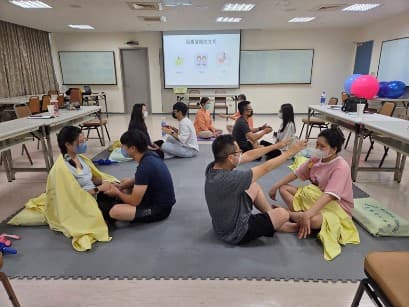
An evidence-based Oral Functional Exercise Program is implemented to improve frailty indicators as well as swallowing and chewing functions among individuals with dementia.
Established 77 community health stations across Greater Taipei, with 3 transformed into specialized dementia care centers.
The coverage rate of health stations reached 75% across Taipei City and 17.24% in New Taipei City.
Between 2021 and 2024, the health stations conducted a total of 1,393 sessions, serving 38,078 participants.
During the same period, the dementia care centers served 120 individuals with confirmed or suspected dementia, with 20,102 course participations.
Provided 83 medical resource referrals through dementia care centers and affiliated health stations.
Conducted 57 dementia-friendly public awareness lectures, with a cumulative attendance of 1,976.
Recruited 181 dementia-friendly friends and connected 52 dementia-friendly organizations.
Service Growth by Dementia Care Centers:Shilin Church: +61% Case Growth/Tunhua Church: +48% Case Growth/Yongle Church: +18% Case Growth
Operational Excellence:
KPI Achievement: Average fulfillment rate of 82.5%+
Satisfaction Survey Execution: 100% execution rate for annual satisfaction surveys
Establishment of a Quality Management Mechanism for Dementia Care Centers to Enhance Care Quality and Safety
1.Attendance and Participation Monitoring:
Daily class attendance tracking through an attendance registration system.
2.Instructor and Program Evaluation:
Qualification review and teaching observation conducted annually.
3.Individual Case Service Records:
Daily documentation of individual participation records and behavioral observations.
4.Satisfaction Surveys:
Annual collection of feedback through anonymous questionnaires.
5.Safety Measures:
Annual assessment of needs and implementation of preventive anti-wandering devices.
6.Health and Infection Prevention Monitoring:
Daily blood pressure and body temperature recording forms.
7.Infection Control Mechanisms:
Daily and periodic checks using infection prevention supply checklists and environmental cleaning inspection records.
Diverse activities with high satisfaction:Courses were well-planned and received excellent feedback from participants.
Professional and relevant instructors:Participants expressed gratitude, and positive recognition was received from their families.
Consistently positive feedback from foreign caregivers:High satisfaction ratings were given for all discussion sessions.
Dynamic adjustments based on surveys:Services were planned and reviewed according to actual needs.
Caregiving experience sharing:Supported family members in facing challenges and provided caregiving resources and guidance.
Participated in the 30th International Conference of Health Promoting Hospitals (HPH) and presented the study entitled “Explore the effect of introducing health promotion services with oral exercises among the elderly with dementia in the community”
The findings indicated that the oral exercise program was associated with improvements in swallowing and masticatory functions and contributed to frailty prevention.
The integration of community health stations with dementia care centers, the program provides health services and cognitive promotion activities, enhancing the daily lives of the elderly and fostering sustained social engagement.
Through site-based course interventions, the program contributes to delaying functional decline, uncovering potential, enhancing social interaction and self-worth, and improving the overall quality of life for participants.
By connecting local resources to build a dementia-friendly network and realizing the vision of healthy aging and aging-in-place, we focus on health sustainability and reflect the spirit of MacKay Memorial Hospital through long-term community engagement and a dedicated commitment to local care.