Patients with acute stroke
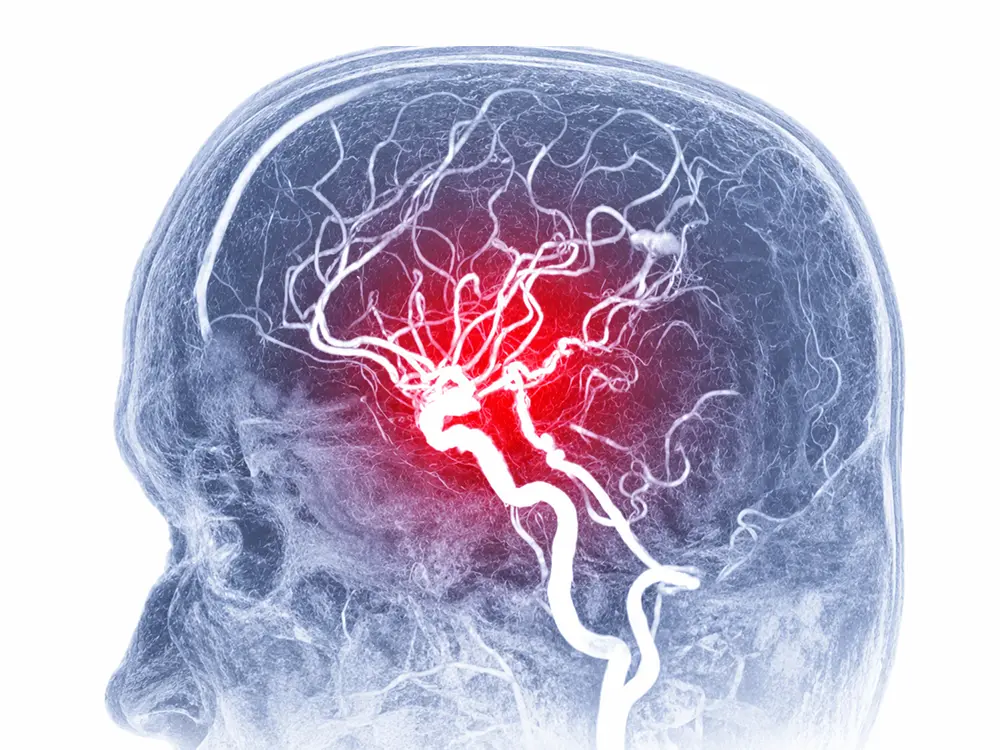
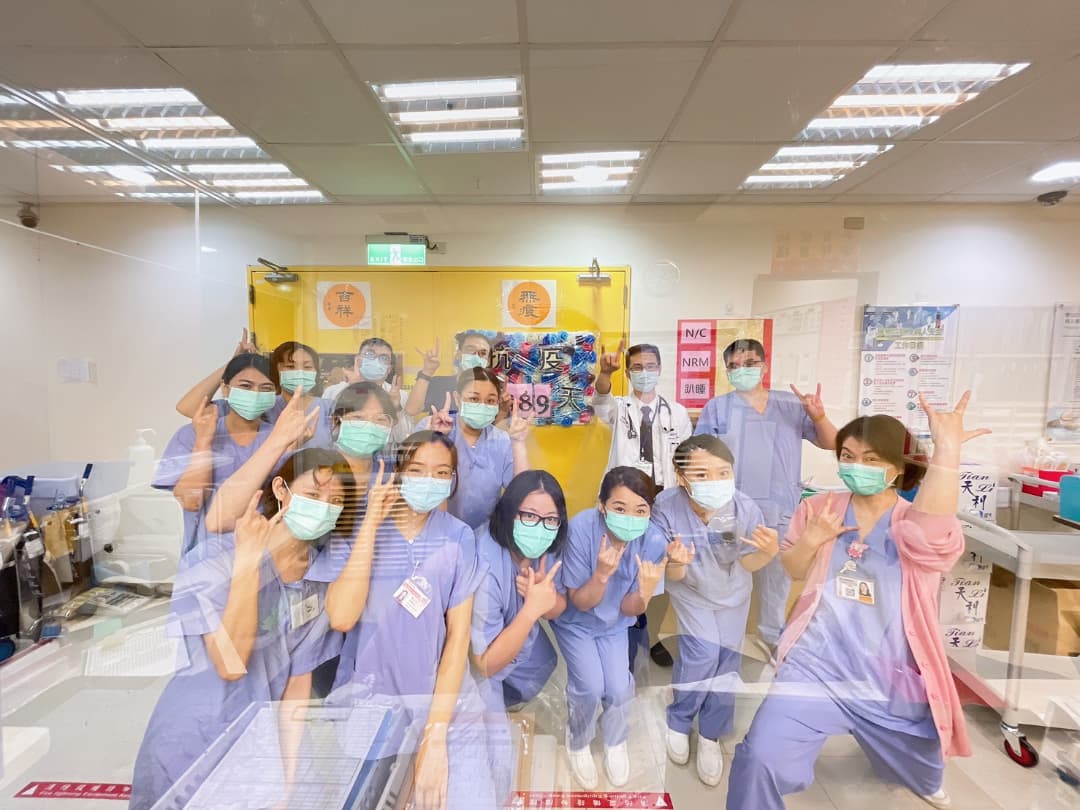
In order to improve the treatment of acute stroke and cerebrovascular diseases, an acute stroke treatment team has been established, consisting of multiple professional departments such as neurology, neurosurgery, imaging medicine, emergency medicine, and rehabilitation medicine, to provide patients with the most suitable treatment methods. Our hospital, together with the emergency ambulance system and other medical institutions, forms the "Acute Ischemic Stroke Regional Care Network" to ensure that stroke patients can be transferred to appropriate hospitals for treatment in a timely manner. At the same time, our hospital is also the only medical institution in New Taipei Region that provides round-the-clock dual-line thrombectomy treatment, and actively promotes the post-acute care plan (PAC) to reduce the care burden on the medical system, families and society.
24/7 imaging services (computed tomography and magnetic resonance imaging)
Third-line thrombectomy field: interventional treatment and diagnostic angiography room/hybrid operating room (Hybrid OR)/cardiac catheterization laboratory
Comprehensive cerebrovascular interventional treatment: intravenous thrombolysis, endovascular thrombectomy, carotid artery stent, cerebral vascular microsurgery, minimally invasive endovascular treatment surgery, cerebral aneurysm embolization
The nation’s first drive-in thrombectomy service
Comprehensive stroke care
Post-Acute Care Plan (PAC)
Number of stroke service visits from 2023 to July 2024.
24/7 computed tomography/magnetic resonance imaging examinations for 973/904 people
194 cerebrovascular interventional treatments
Intravenous thrombolysis for 83 patients
Endovascular thrombectomy for 145 patients
Drive-in out-of-hospital thrombectomy for 10 patients
A total of 310 patients were transferred to the Post-Acute Care Program (PAC)
"24/7 computed tomography and magnetic resonance imaging examination": From 2023 to July 2024, the average time for stroke patients from entering the hospital to receiving CT examination was 9 minutes, and the average time to receive MRI examination was 94 minutes.
From 2023 to July 2024, the average time for stroke patients from entering the hospital to puncture (Door to Puncture) was 133 minutes, the mTICI reperfusion rate was 87%, and the hemorrhage rate was around 5.74%, which is lower than that in other hospitals (6.67%). The recovery rate of mRS≤3 after discharge and 3 months increased from 30% to 50%.
Drive in out-of-hospital thrombectomy, Door to Puncture takes about 187 minutes on average, and the mTICI reperfusion rate reaches 90%.
Post-acute care plan (PAC), the transfer rate from 2023 to July 2024 was 50.7%, an increase of nearly 20% from the previous two years.
.100% adherence to indications for intravenous thrombolysis.
.100% adherence to indications for intra-arterial thrombectomy.
.88% vessel recanalization rate for intra-arterial thrombectomy.
.Thrombolysis rate exceeding 12% within the 4.5-hour window.
.Implementation of 24-hour thrombectomy services.
.Interdisciplinary acute stroke care protocols.
.Regular quality monitoring and case reviews.
.Establishment of a regional referral and collaborative care network.
.Patient support associations provide platforms for mutual support and communication.
.Regular health education activities are organized for patients.
.Ongoing case follow-up and care are provided after hospital discharge.
.Family meetings facilitate collaborative decision-making.
.Approximately 400 home-based integrated care visits are conducted annually.
.Approximately 150 community care referrals are made annually.
.Patients share positive feedback regarding emergency treatment and care.
Participated in "ISQua's 39th International Conference International Health Care Quality Association" admission poster presentation for 112 years, covering multiple topics: Enhancing Participation In Post-Acute Care Programs For Stroke Patients Using Information Scrolling Patterns, Improve The Rate Of Endovascular Thrombectomy In Acute Ischemic Stroke et al.
In 2023, participated in the 'International Council of Nurses (ICN)' in Canada, with an accepted oral presentation.
In 2023, the team served as the international medical training team for the Marshall Islands Public Health Nursing Team.
In 2024, participated in the '10th European Stroke Organization Conference (ESOC 2024)' with an accepted poster presentation.
From 2017 to 2024, the Taipei Medical University International Stroke Summit (TMU-ISS) has been held for seven consecutive years, promoting international cooperation.
The stroke team has expanded internationally, publishing multiple papers that lead globally.
The care team establishes an annual work plan, which includes formulating quality care monitoring indicators and thresholds. These indicators and thresholds are based on domestic and foreign literature research and data from other domestic medical centers to ensure the standardization of stroke care. The team follows the standard operational model of medical care teams and manages cases in accordance with consultation management procedures and activation mechanisms. After hospitalization and before discharge, the care process is also carried out according to the standard model. The team provides whole-person and continuous care, monitors and evaluates the quality of care based on established indicators and thresholds, and implements corresponding measures and training for items that need improvement.
Relevant indicator monitoring is as attached (Indicator Submission Form)