Advanced imaging-based risk stratification for HFpEF, enabling early diagnosis, post-MI heart failure detection, Stage A/B risk assessment, and prediction of atrial fibrillation complications.
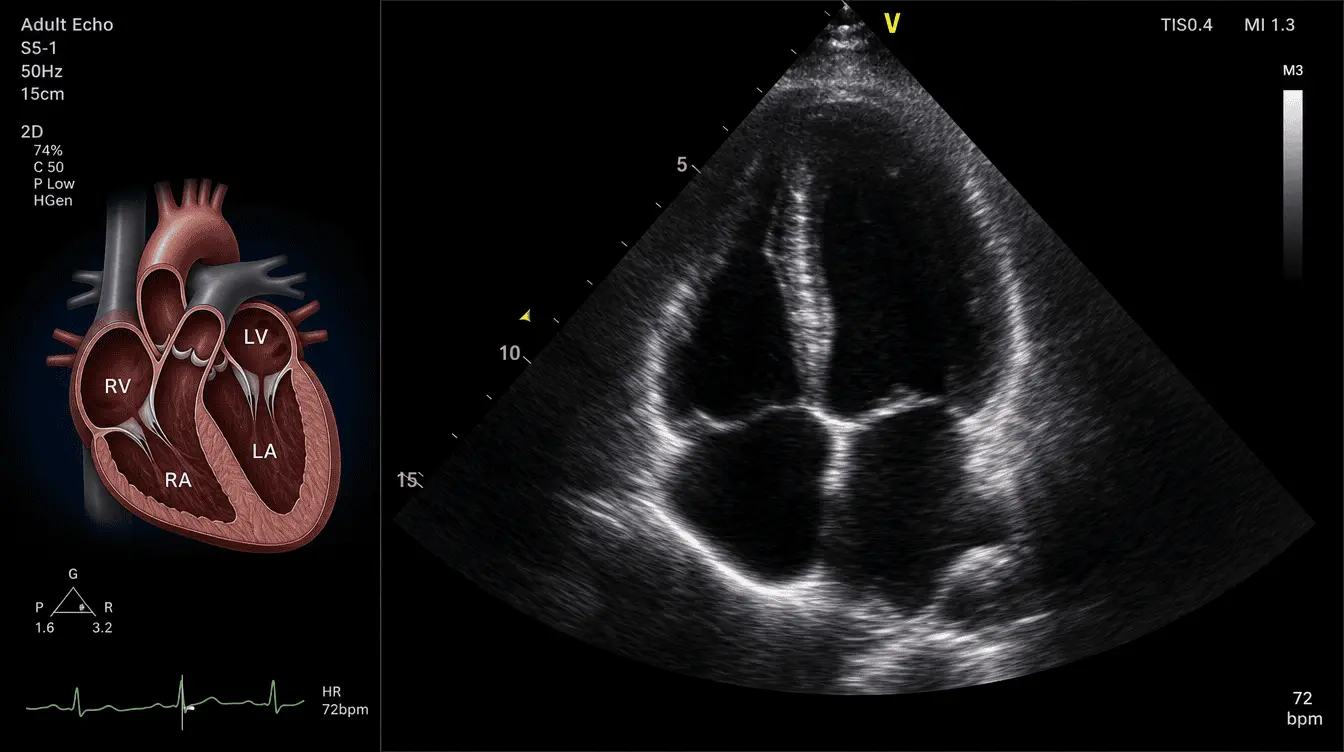
Our hospital established a cardiovascular center and heart failure medicine department in 2017, dedicated to improving the quality of medical care for heart failure, helping patients improve their quality of life, and reducing readmission rates. For ACC2 A and B stage sub-healthy groups and chronic disease patients who are at risk of heart failure, the Mackay heart failure team uses novel functional myocardial imaging technology and speckle tracking-based echocardiography to detect myocardial dysfunction in advance, especially for patients with heart failure. The diagnosis of heart failure with preserved ejection fraction is of particular interest. These technologies are also used in the diagnosis of post-myocardial infarction heart failure, early heart failure risk assessment (Stage A/B), and clinical risk stratification of complications such as atrial fibrillation. Through advanced two-dimensional cardiac ultrasound speckle tracking technology, we can objectively quantify preclinical myocardial function changes in a large amount of clinical disease data and define subclinical functional image changes to predict the risk of relevant clinical events.
Use the software Philips QLAB 10 and GE System advanced ultrasound quantification software to "automatically" interpret the left ventricular ejection fraction and related values on cardiac ultrasound images.
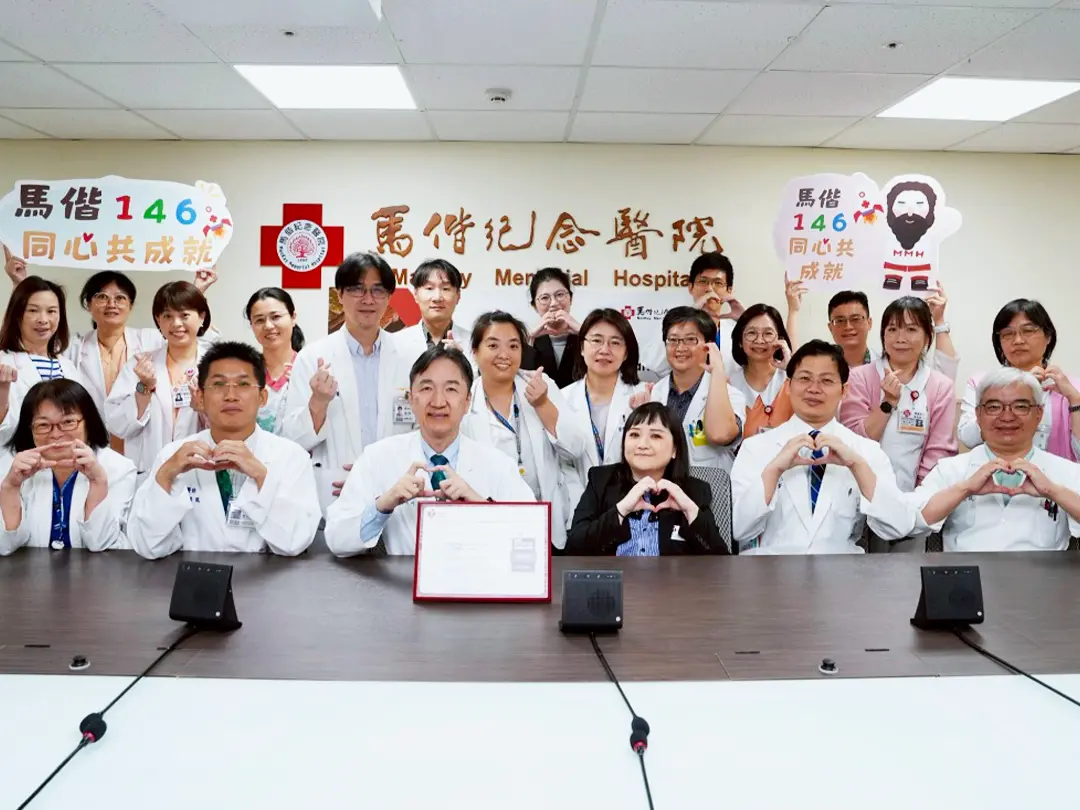
In the prospective multi-center Taiwan Heart Society of the Republic of Taiwan society of cardiology(TSOC-HF Registry), which was launched in recent years, The heart failure team of MacKay Memorial Hospital continues to rank first among more than 20 medical institutions and centers. MacKay Memorial Hospital has admitted a total of 600 cases of heart failure.
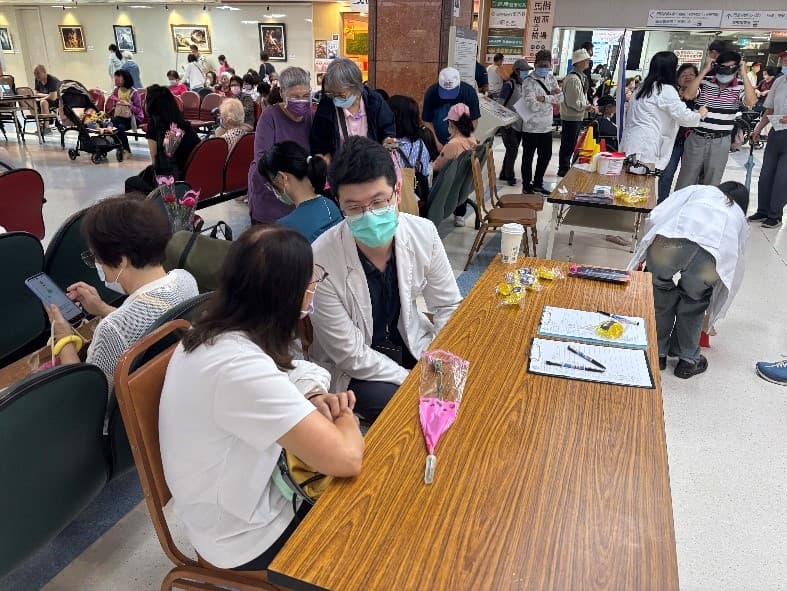
With the Heart Failure. Post-Acute Care and active screening model, the rate of HFpEF patients receiving blood BNP testing increased from 95.54% in 2018 to 98.20%; the implementation rate of cardiac rehabilitation (Cardiac Rehabilitation) health education increased from 35.1% in 2018 to 84.7% ; Acceptance of case management care model increased from 16.7% from August to December 2019 to 54% in December 2023; unplanned readmission rate 14 days after discharge (inclusive) dropped from 4.5% in 2018 to 0.92%; The in-hospital mortality rate (including voluntary discharge in critical condition) dropped from 4.5% in 2018 to 1.8%; the use rate of standard drugs among HF patients has increased.
HFpEF diagnosis within 10 min
Guideline therapy rate 81.8%
Reduced readmission rate
Reduced inpatient mortality
100% multidisciplinary care
95% follow-up completion
100% medication review
100% discharge education
High-risk alert system
Real-time adverse event reporting
Overall satisfaction >95%
Improved communication satisfaction
High multidisciplinary care satisfaction
High case-management satisfaction
Increased patient support participation
Our hospital served as the Taiwan Principal Investigator (PI) center for the Asian Heart Failure Registry and demonstrated outstanding enrollment capacity. The center ranked first among all participating institutions in HFpEF enrollment and additionally enrolled 274 patients with HFrEF. Taiwan contributed more than 300 HFpEF cases, accounting for approximately one-third of all HFpEF patients enrolled across Asia (1,204 cases).
The program achieved the highest enrollment volume for heart failure with preserved ejection fraction (HFpEF) in the Asian Heart Failure Registry and received highly positive recognition and evaluation from international experts.
In 2021, in collaboration with the Taiwan Society of Cardiology and the Society of Nuclear Medicine of the Republic of China, the team established the first ATTR-CM nuclear imaging diagnostic protocol in Asia, providing a pioneering diagnostic framework for transthyretin cardiac amyloidosis.
In accordance with standardized heart failure care pathways and patient safety goals, our team develops and implements quality improvement strategies and action plans for heart failure management. Key performance indicators are monitored monthly through a data-driven quality management system. Multidisciplinary heart failure quality meetings are held regularly to review outcomes, optimize care processes, and ensure high standards of patient care. Through the provision of comprehensive, continuous, and patient-centered care, we have successfully improved both healthcare quality and patient satisfaction.