Nurses and clinical nurse instructors.
Physicians and clinical educators.
Allied health professionals.
Medical and nursing trainees.
Healthcare educators.
By adopting the "embodied narrative" pedagogical approach and integrating strategies from the humanities and the arts, we establish a holistic teaching model—rooted in the body, extending to the care context, and prioritizing humanistic care techniques—to cultivate professionals who possess both core professional competencies and a humanistic ethos. We utilize the embodied cognition model to deepen skill acquisition and develop humanistic care skills.
Transitioning from verbal to embodied narrative to cultivate holistic care competencies (a national first)
Establishing a faculty development model based on "experiential reflection" and "knowledge creation" (a national first)
Designing embodied teaching methods that integrate the humanities and arts into medical education (a national first)
Incorporating embodied narrative into technical skills training (a national first)
From 2021 to October 2024, a total of 36 sessions were held with 951 participants.
2021: 4 sessions; 48 instructors, 0 trainees; subtotal: 48 participants
2022: 9 sessions; 262 instructors, 320 trainees; subtotal: 582 participants
2023: 8 sessions; 53 instructors, 46 trainees; subtotal: 99 participants
October 2024: 15 sessions; 96 instructors, 126 trainees; subtotal: 222 participants
A total of 168 individuals received supportive counseling between 2019 and 2022; the average annual retention rate was 90% (reaching 96% in 2023).
97 participants attended the introductory training, with a satisfaction rate of 92%.
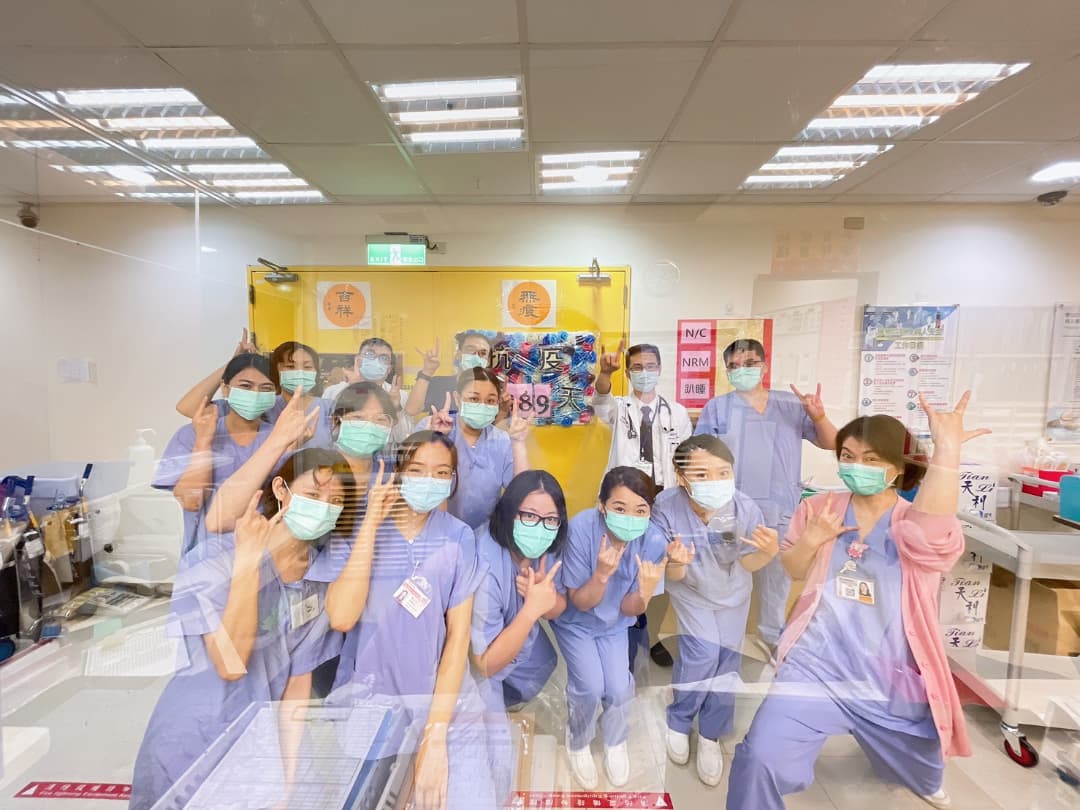
29 narrative stories regarding nursing staff caring for COVID-19 patients were collected and published by Shuang Ho Hospital.
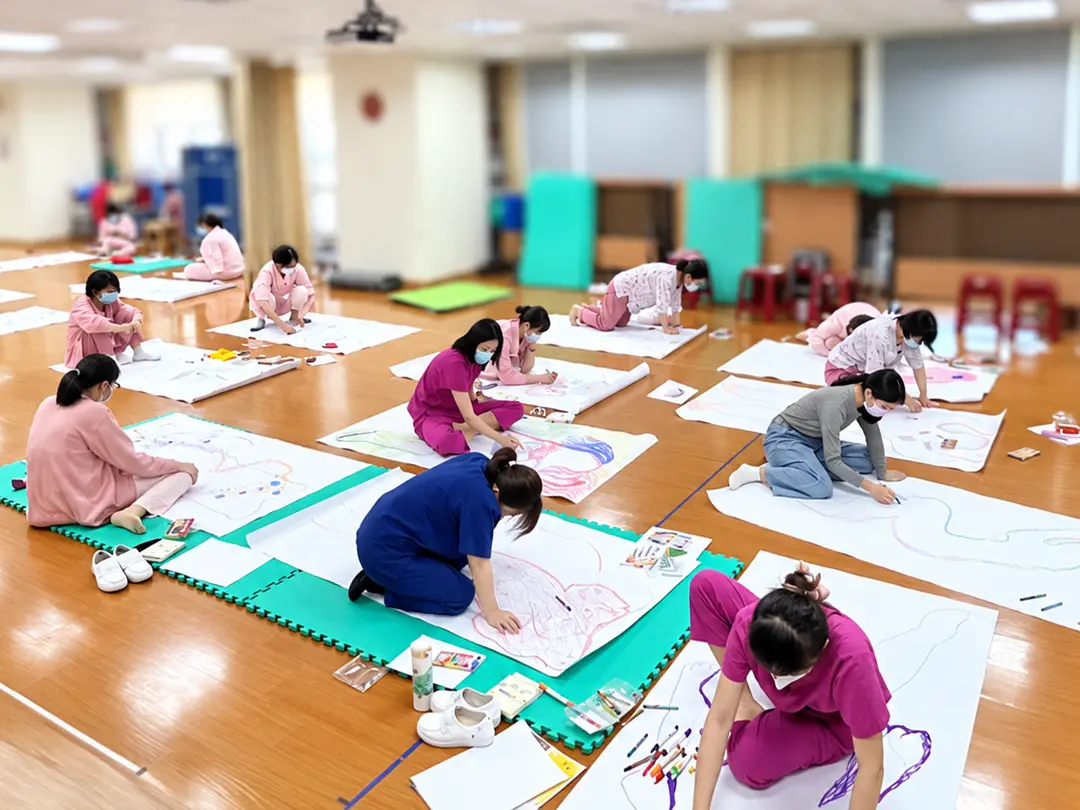
18 "Body Mapping" artworks were created.
The improvisation theater workshop achieved a 99% satisfaction rate.
320 people attended the humanities theater performances (98% satisfaction rate), and one educational video on humanistic reflection was produced.
Developed 13 OSCE simulation scenarios.
National OSCE examination center.
Simulation training strengthened patient safety.
Standardized teaching processes established.
Learning from errors reduced clinical risk.
92% satisfaction with introductory training
99% satisfaction with improv workshops
98% satisfaction with humanities-themed theater performances
Cross-disciplinary collaboration with TMU.
Established an embodied narrative education model.
Hosted international visitors and trainees.
Promoted international medical education exchange.
Scores for self-confidence, resilience, and team cohesion all increased.
Participants identified the course's key benefits as improved listening skills, stress relief, and enhanced adaptability, collaboration, and resilience.
Exercises celebrating failure fostered greater self-acceptance.
The average one-year retention rate for new nurses is 90%, reaching 96% in 2023.