• Patients with multiple chronic
diseases
• Patients with frequent
hospitalizations
• Terminally ill patients
• Hospice patients
• Patients assessed and admitted
by attending physicians
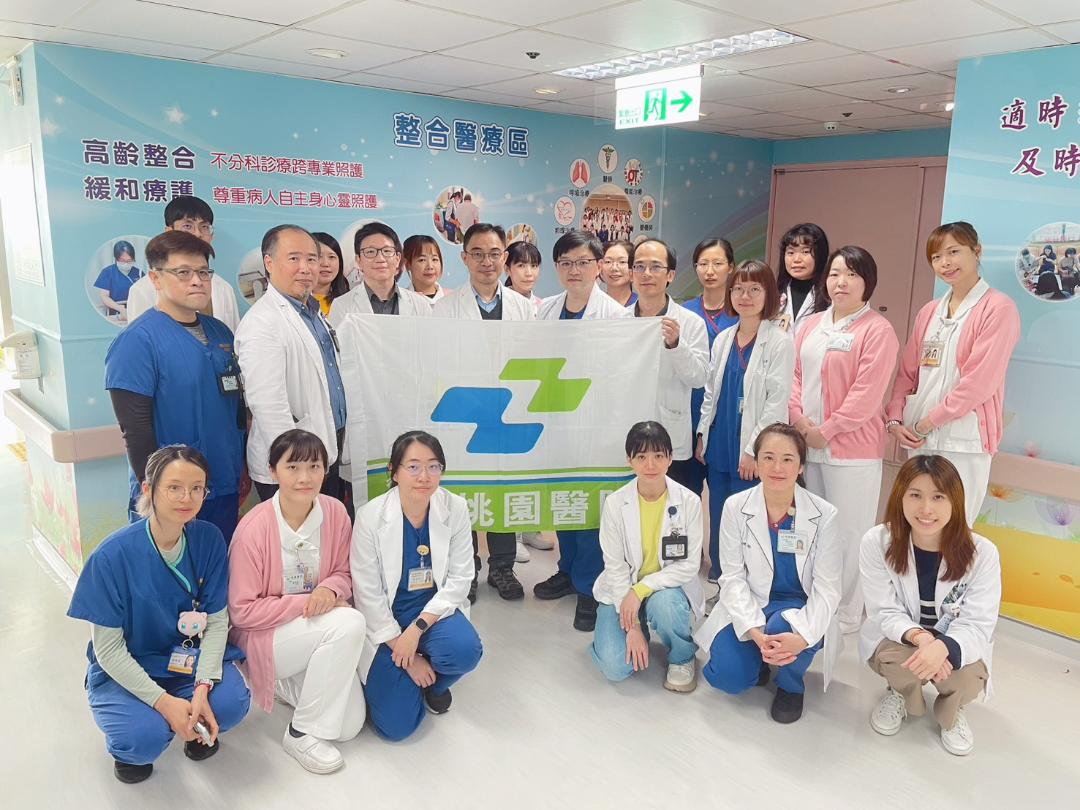
• The Hospitalist’s Ward encompasses four major aspects: integrated medicine, general
medicine training, geriatrics, and palliative care. It adopts a non-specialized diagnostic
team model to provide Hospitalist’s care during hospitalization. In addition to doctors and
nurses, there is a multidisciplinary team that includes occupational therapists, physical therapists, nutritionists, pharmacists, palliative care specialists, and social workers. This team coordinates vertically across different levels of medical institutions and community
health care networks.
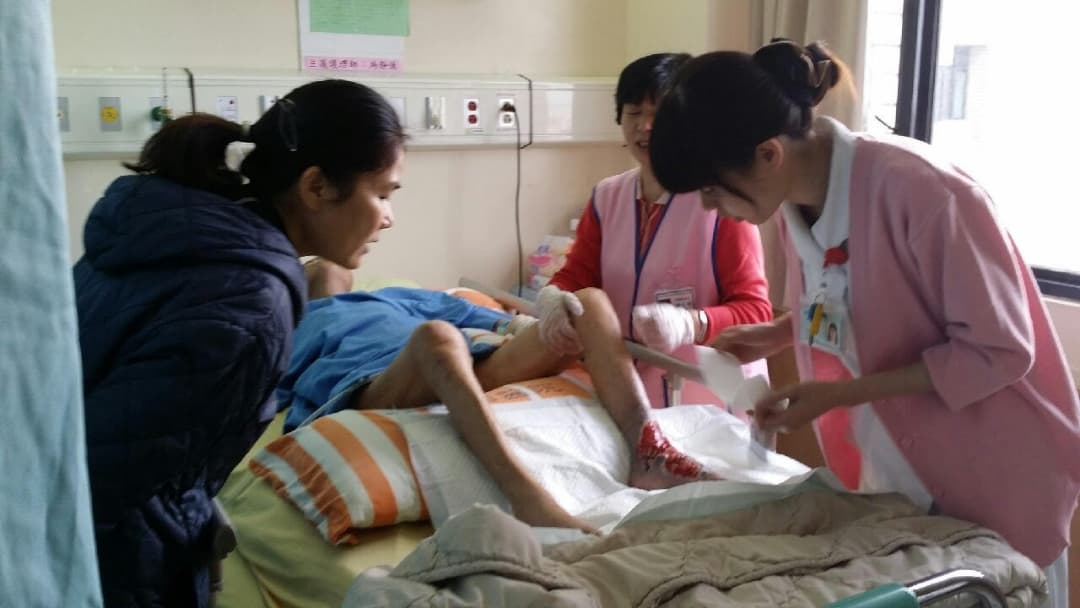
• The Hospitalist service is patient-centered. At the early stage of hospitalization,occupational therapists, physical therapists, and nutritionists are proactively deployed to promote patient rehabilitation. For elderly patients, those with multiple comorbidities,
and those frequently readmitted, the team assists patients and their families in preparing for discharge early on, ensuring continuity of care.
• Dedicated pharmacists conduct comprehensive medication evaluations to avoid the increased physical burden caused by drug interactions in patients with multiple comorbidities, thereby reducing the waste of medical resources.
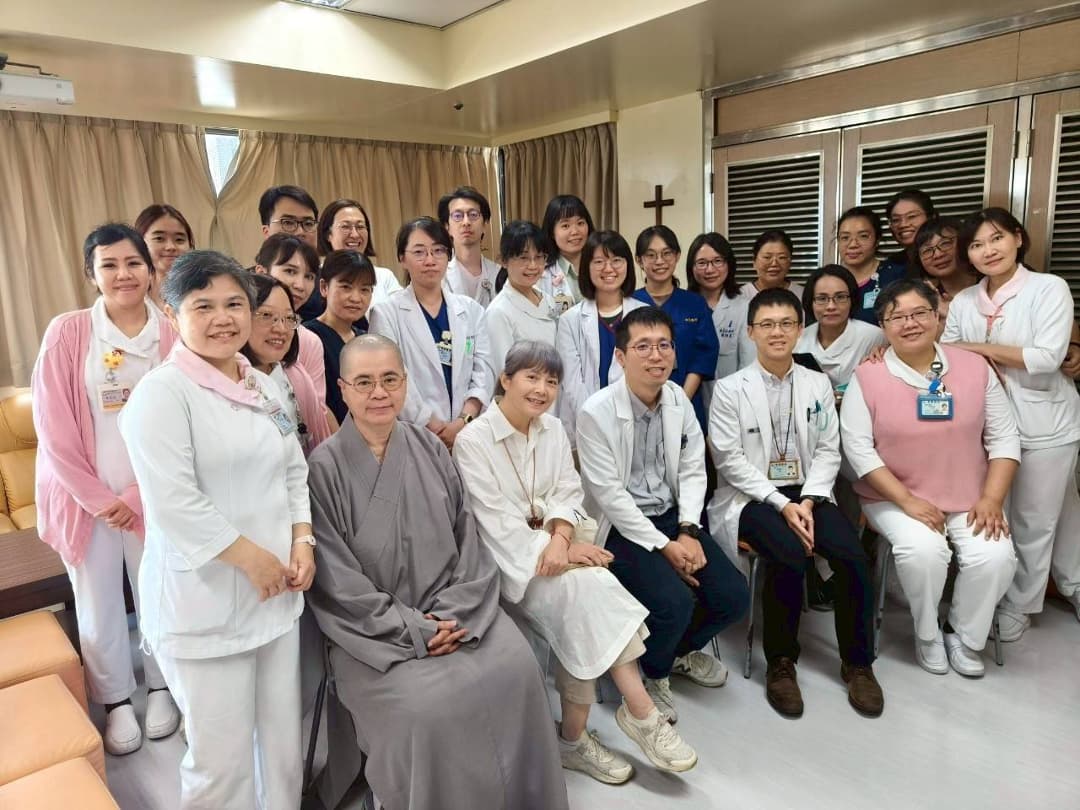
In the same area, the palliative care team includes spiritual care providers and chaplains.
In collaboration with the Lotus Foundation (Buddhism, Taoism) and the Schweitzer Foundation (Christianity, Catholicism), they offer psychological comfort to patients and families of different religious beliefs.
• Patient-Centered Integrated Care: Integrates Internal Medicine, Geriatrics, Integrated Medicine, and Palliative Care through a hospitalist-led multidisciplinary team to provide comprehensive and continuous care.
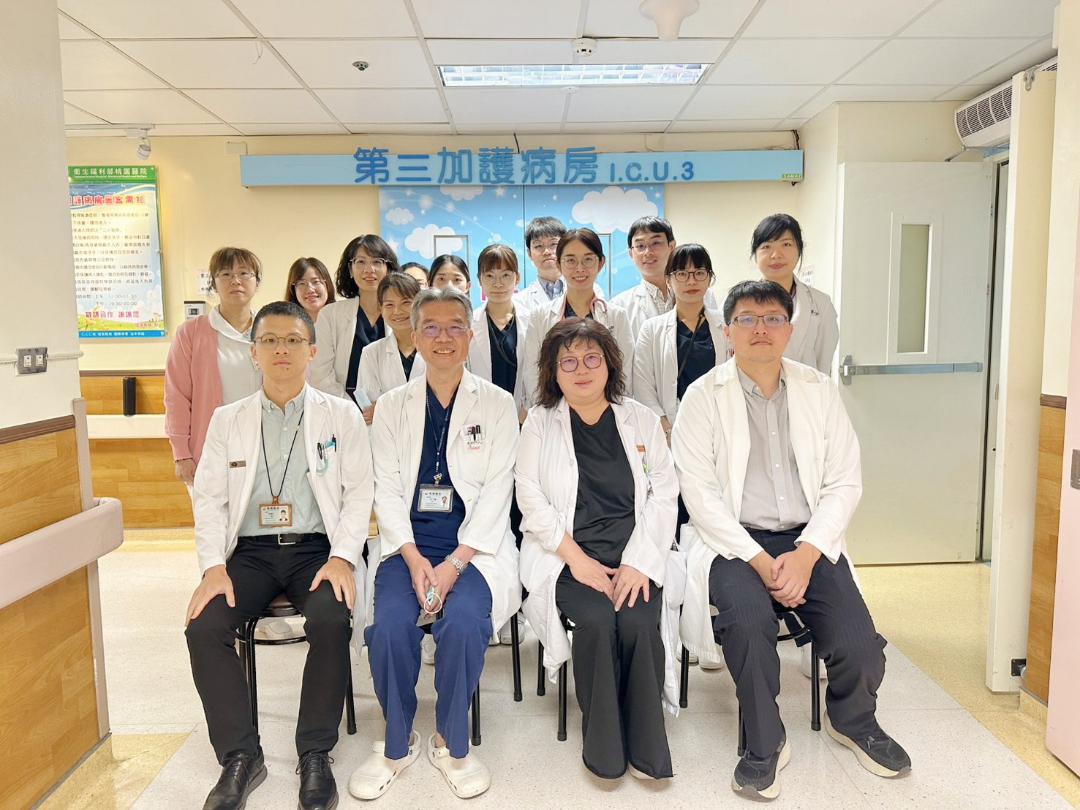
• Multidisciplinary Collaboration: Physicians, nurses, pharmacists, dietitians, therapists, social workers, psychologists, and spiritual care providers jointly develop individualized care plans.
• Early Intervention and Discharge Planning: Rehabilitation, nutrition support, and discharge preparation begin upon admission, particularly for older adults, patients with multiple chronic conditions, and those with frequent hospitalizations.
• Proactive Bedside Rehabilitation: Early occupational and physical therapy interventions promote functional recovery, prevent frailty and disability, and improve independence.
• Integrated Digital Platform: Electronic records and mobile notification systems support real-time communication, coordinated decision-making, and patient safety.
• Age-Friendly Healing Environment: Barrier-free facilities, rehabilitation spaces, assistive devices, and senior-friendly equipment enhance safety, comfort, and recovery.
•Holistic Palliative Care: Hospice, spiritual care, and community partnerships provide physical, psychological, social, and spiritual support.
• Proven Outcomes: Reduced emergency department boarding time to 7–8 hours, shortened average length of stay for older patients , and improved care quality, resource utilization, continuity of care.
• Growing Service Capacity:
The number of hospitalized patients increased from 464 in 2021 to 776 in 2024, with a cumulative total of more than 2,700 patients served. Total inpatient days reached 7,372 patient-days in 2024.
•Older Adults as the Primary Service Population :
In 2024, 556 patients aged 65 years and older were admitted, accounting for 71.6% of all inpatients. The proportion of older adult patients increased from 61.2% in 2021 to 71.6% in 2024.
• Improved Hospitalization Efficiency :
The average length of stay improved from 9.6 days in 2021 to 9.5 days in 2024. Among patients aged 65 years and older, the average length of stay decreased from 10.6 days to 9.5 days, outperforming general internal medicine wards within the hospital.
• Reduced Readmission Rates: The overall 14-day readmission rate decreased from 7.3% in 2021 to 4.5% in 2024. Among patients aged 65 years and older, the 14-day readmission rate decreased from 8.5% to 4.5%.
• Proactive Multidisciplinary Interventions :
In 2024, the occupational therapy intervention rate reached 80.2%, with 94.8% of patients receiving intervention within two days. Physical therapy intervention rate: 76.1%. Dietitian intervention rate: 76.0%. Pharmacist intervention rate: 70.0%.
• Average hospital stay for elderly: 9.5 days (113 ), decreased from 111 days in 111.
• 14-day readmission rate for elderly: 4.5% (113 ), significantly decreased from 6.8% in 110
• Healthcare personnel proactive intervention rate within 24 hours: >95%
• Pharmacist potentially inappropriate medication reduction rate: 17.3% (113 )
• Medication volume reduction rate: 26.3% (113 )
• Occupational therapist FIM improvement rate: 23.3% (113)
• Occupational therapist functional activity performance improvement: 69.6% (113 )
• Discharge preparation referral rate: 100% (113)
• Nutritionist caloric intake improvement rate: 24% (113)
•The average functional improvement rate among patients treated by physical therapists reached 19% (113)
• The number of patient safety reports has increased year by year (39 cases in 2020 → 71 cases in 2024), indicating that medical staff are willing to proactively report incidents, forming a 'no-pressure reporting culture'.
• The number of medical errors increased from 2 cases in 2020 to 18 cases in 2024, but the proportion of 'no-harm incidents' has gradually increased to 84% each year, indicating that the team is able to detect and address potential risks in a timely manner, preventing serious harm to patients.
• Over the past five years, the number of falls has increased from 8 to 15 cases, but the proportion of injuries resulting from falls has decreased, indicating that fall prevention measures (such as environmental improvements, medication management, and health education promotion) continue to be effective.
• Positive media coverage: 45 articles
• External awards received by personnel: 11 awards
• Ministry-certified lecturer qualifications: 4 members
• Satisfaction over the years has consistently achieved positive results, and in recent years it has increased to over 90%.
• Hong Kong Tung Wah College initiated visit and observation
• BMC Medical Education (Q1)-Developing an entrustable professional activity for providing health education and consultation in occupational therapy and examining its validity-Included in SCI, Q1 education journal, has been cited by the OT Society EPA handbook
•Journal of Spinal Cord Medicine-Epidemiology of spinal cord injury and spinal cord injury-induced urinary tract stones in Taiwan: a 2005–2015 population-based cohort study-An international journal in the field of neurology, cited by multiple clinical studies on spinal cord injury
•AMEE 2023 Conference-Developing Entrustable professional Activities in Occupational Therapy – Same or Different from Medicine?-The International Medical Education Association (the largest in Europe) received recognition in the panel discussion
•OTUROC Conference 2023-Bedside Occupational Therapy: Taoyuan Hospital Experience-International Federation of Occupational Therapists Conference, showcasing Taiwan's experience
•Long-term Care Journal - Pharmaceutical Care Enhancing Long-term Care Quality of Life Indicators - Domestic Core Long-term Care Publication, High Practical Application Value
• 2 SCI research publications
• Integrated Medical Care and Holistic Care: 15 Articles
• Nursing Case Care Experience:6 Articles
•Occupational Therapy and Rehabilitation Care: 9 Articles
• Pharmaceutical Care and Medication Safety: 6 Articles
• Evidence-Based Medicine and Clinical Research: 4 Articles
• Physical Therapy and Rehabilitation Services: 3 Articles
• Reduced patient medication burden and hospital stay
• Improved patient functional independence and quality of life
• Reduced readmission rate and healthcare costs
• Domestic integrated care benchmark: on-site OT, PT, pharmacist, daily living training room, orthotic provision and training services