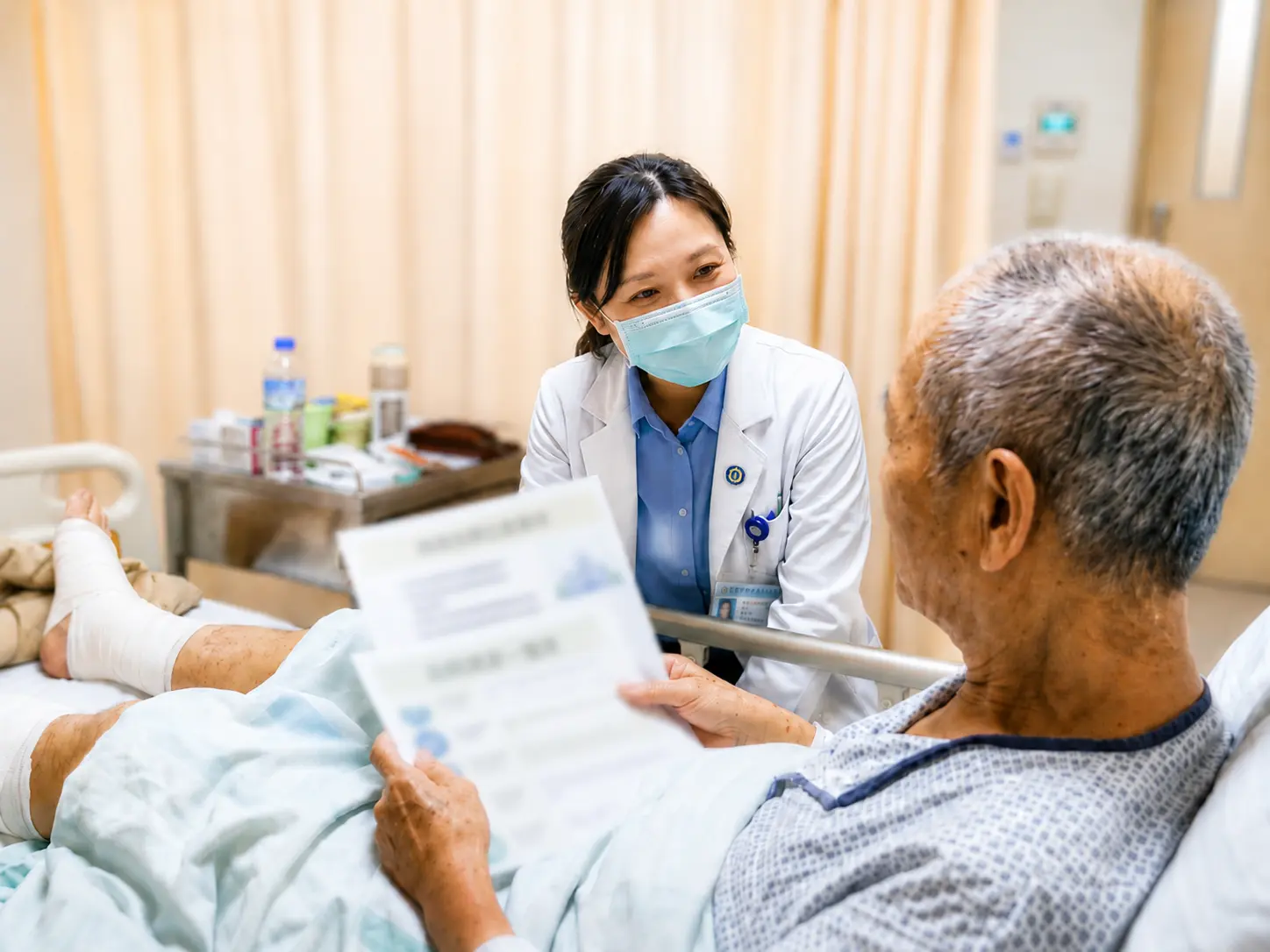
High-risk inpatients are patients unable to self-care who need social support or lack a primary caregiver, increasing discharge planning and care coordination needs.
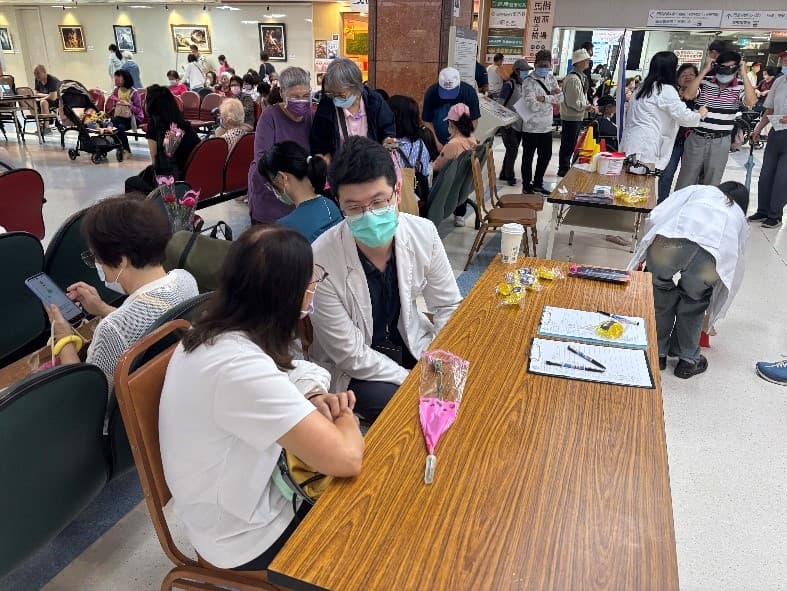
The Social Service Department established an "Early Identification and Intervention Mechanism for High Social Risk Patients" to address the lack of support systems and care resources among hospitalized patients. Since its implementation in 2018, this mechanism has integrated nursing admission assessments with discharge planning systems, utilizing automated condition-based screening to enable earlier social worker intervention. From 2018 to 2024, the number of cases served increased from 312 to 592.
Statistical analysis shows that post-intervention Social Support Scale scores improved by 13% to 33%, effectively strengthening patients’ support networks and enhancing their ability to adapt to illness and recover. Social workers provided individualized services, including resource linkage and family function enhancement, averaging 10.9 service interactions per case. Successful referrals were made to 161 institutions, covering both formal and informal resources.
Characterized by its "screening-triggered automatic activation" feature, the system not only improves the timeliness of support but also optimizes interdisciplinary team collaboration.
Early intervention: The high social risk screening mechanism initiates social work services.
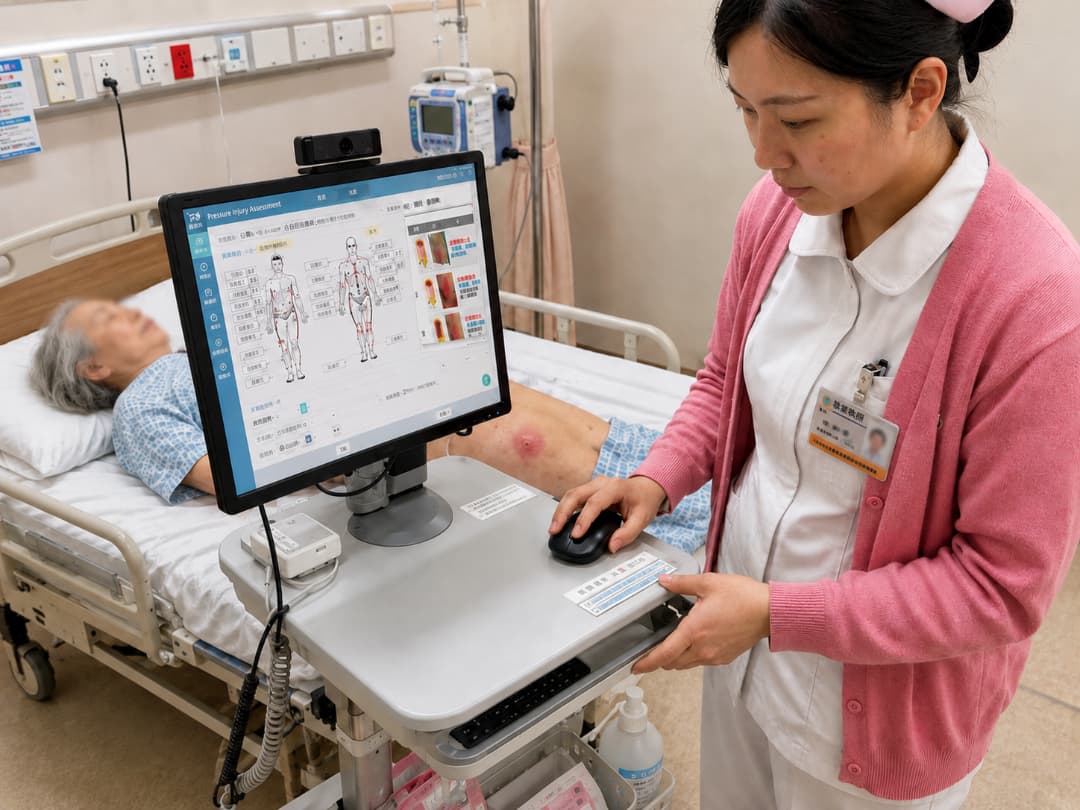
System integration: Admission assessment and discharge planning systems are integrated to automatically identify and notify social workers, reducing omissions.
Clear assessment criteria: Standardized indicators enhance consistency in risk assessment.
4Integrated resource linkage: Coordination across social welfare, long-term care, and community resources.
Emphasis on service continuity: Post-discharge follow-up ensures continuity of care and resource linkage.
Service outcome evaluation: Quantitative measures are used to evaluate service effectiveness.
From 2023 to May 2025, a total of 1,460 cases were opened for service.
A total of 15,921 service encounters were provided, including coordination of social resources and strengthening of family and community functioning.
Successful referrals were made to 161 formal and non-governmental organizations.
By 2025, 100% of high social risk cases identified through screening were referred to social workers.
The implementation rate of social support assessments conducted by social workers reached 100%.
Post-discharge follow-up was completed for 96% of patients within one week and 100% within two weeks.
The provision and referral rate to formal and non-governmental welfare resources reached 100%.
Following social worker intervention, 14% of cases utilized government welfare resources.
Social support among cases increased by 13–33%, with a median improvement of 26%.
The timing of referral to social workers for high social risk patients was advanced from an average of 9 days after admission in 2017 to 2 days after admission in 2024.
Earlier intervention allows sufficient time for discharge planning discussions with patients, thereby supporting the principles of shared decision-making .
Aligned with the concept of Social Determinants of Health (SDOH), integrating social risk factors into medical care.
Promote patient recovery: In alignment with medical care and long-term care policies, an early identification and intervention process was established during hospitalization to strengthen patients’ social support, enhance family involvement, and build patient resilience.
National Health Insurance cost savings: From 2017 to 2024, the reduced average length of stay among high social risk cases led to decreases in both hospital costs and National Health Insurance expenditures.