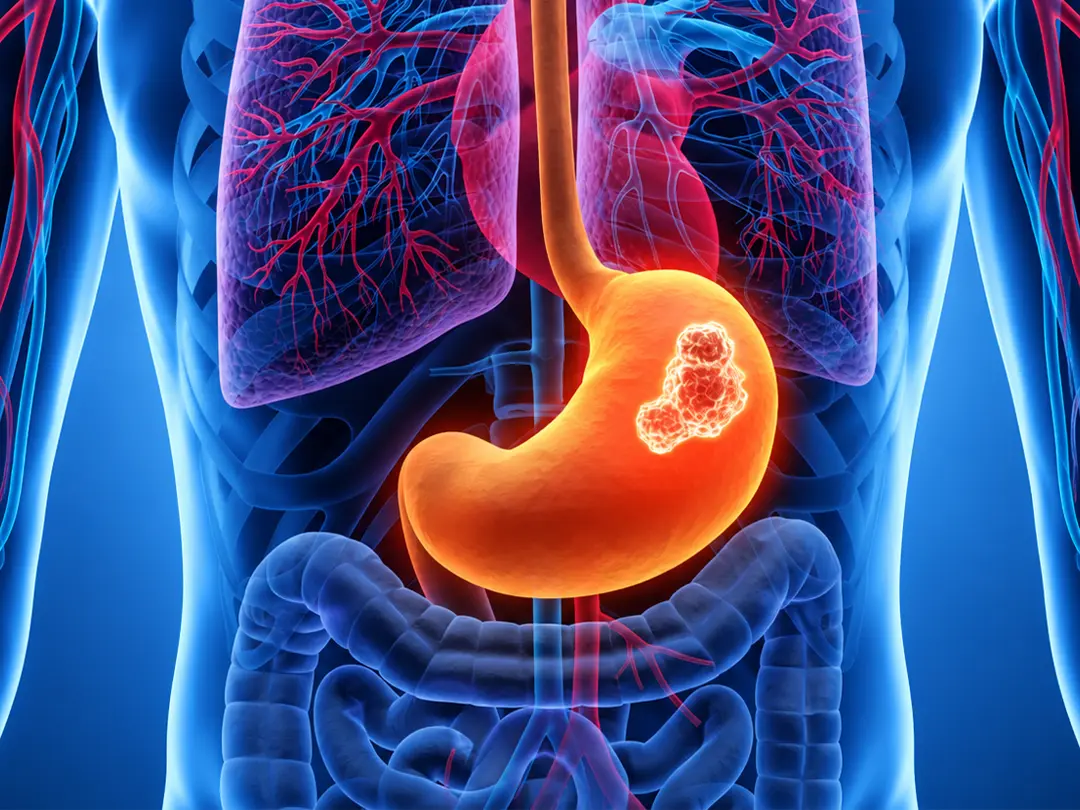
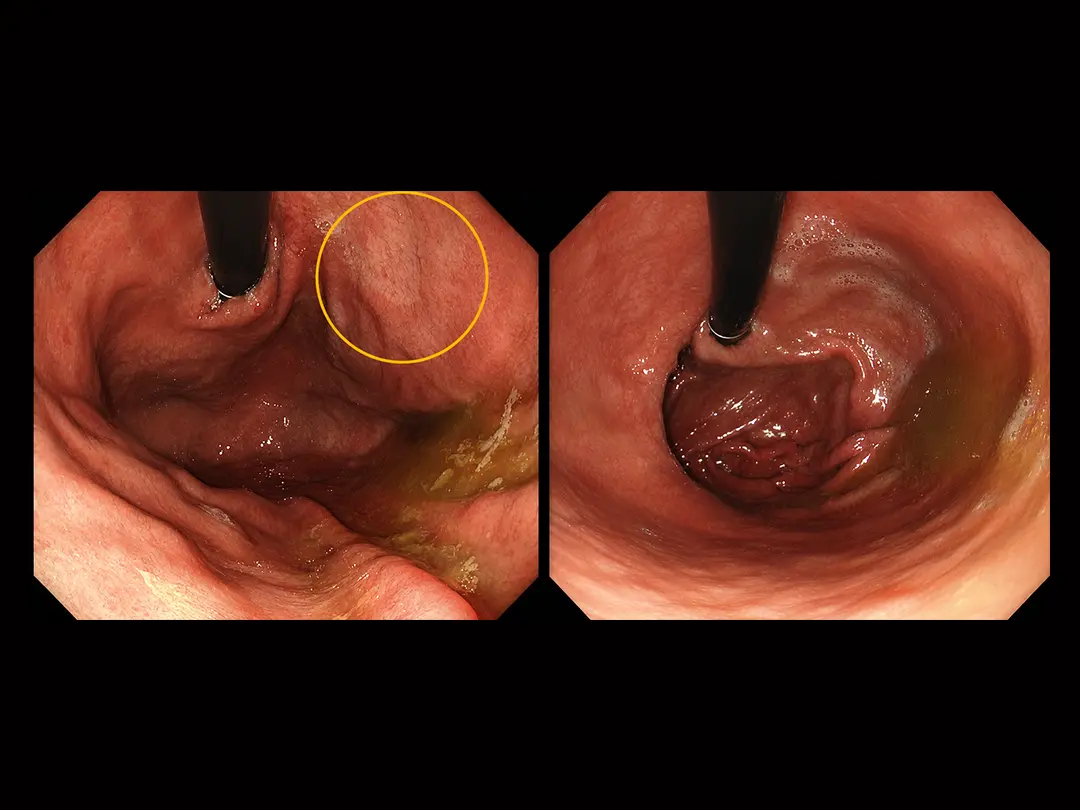
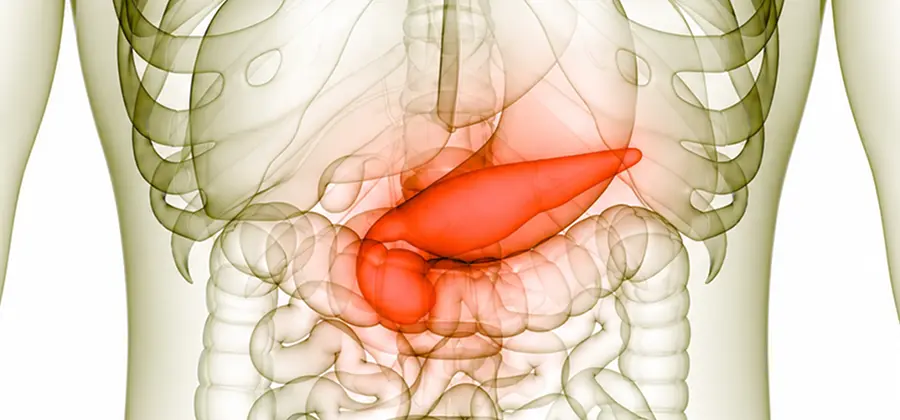
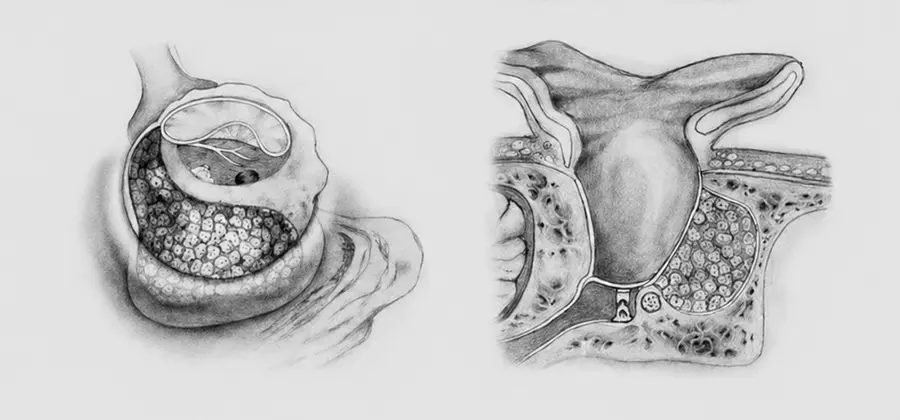
Early-stage gastric cancer (GC) or elderly patients - endoscopic or function-preserving surgery
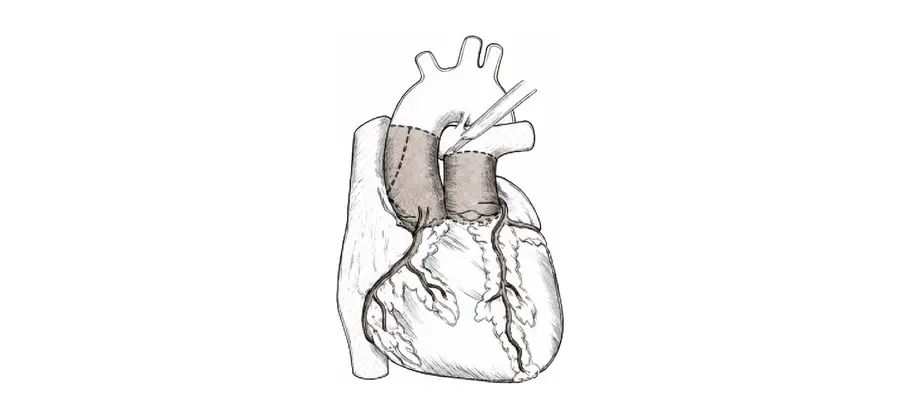
Locally advanced GC - minimally invasive surgery
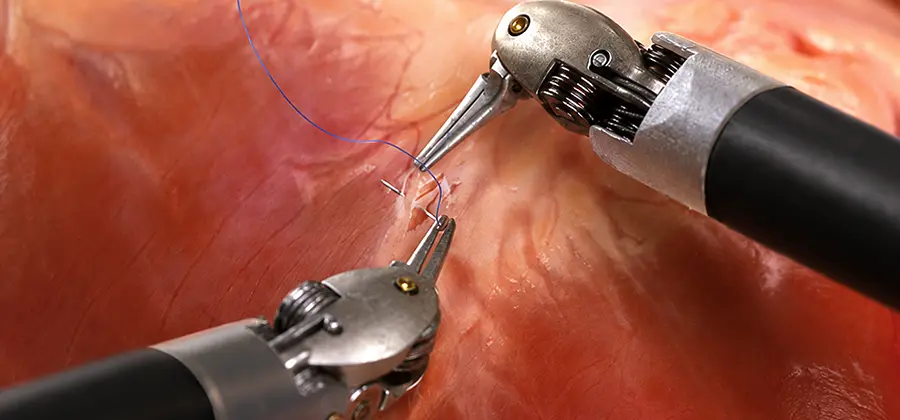
Metastatic GC - systemic therapy with conversion surgery
The Gastric Cancer Medical Center of Taipei Veterans General Hospital was established in 2018 with the goal of providing world-class gastric cancer care.
Through a multidisciplinary team approach, the center provides comprehensive care across the entire patient journey. With an annual volume of approximately 150 gastric cancer surgeries, more than 75% of which are performed using minimally invasive techniques, the team has established expertise in function-preserving surgery, enhanced recovery after surgery (ERAS), and multidisciplinary treatment for metastatic disease. These efforts enable the delivery of individualized treatment strategies for patients with early-stage, advanced, and metastatic disease.
Beyond clinical excellence, the team has made significant contributions to gastric cancer research. Its work has been published in leading journals and incorporated into international guidelines, demonstrating substantial academic impact and leadership in the field.
In addition, Taipei Veterans General Hospital established Taiwan’s first gastric cancer patient support group and continues to provide patient education, psychosocial support, and long-term follow-up care. Through its commitment to patient-centered and holistic care, the center strives to improve both treatment outcomes and quality of life for patients with gastric cancer.
Function-preserving double-flap reconstruction for proximal gastrectomy
Highest volume of robotic gastric cancer surgery in Taiwan (>150 cases)
Over 75% of gastric cancer surgeries performed using minimally invasive approaches
Totally intracorporeal reconstruction for all types of gastrectomy
Multidisciplinary strategy for peritoneal metastasis
Investigator-initiated clinical trials tailored to the Taiwanese population
Approximately 150 gastric cancer surgeries annually
More than 150 robotic gastric cancer surgeries
Double-flap reconstruction: 48 cases
13 ongoing gastric cancer clinical trials
More than 140 published articles
Leakage rate after double-flap reconstruction: 0%
Overall anastomotic leakage rate over the past 5 years: 0.3%
Surgical mortality rate over the past 5 years: 0%
Minimally invasive surgery rate >75%
Median postoperative hospital stay: 7 days
5-year overall survival after minimally invasive gastrectomy: 71.8%
Adjuvant chemotherapy compliance rate for stage II or III gastric cancer: 93.3%
Rescue surgery for frozen-section false negative cases
Oldest patient undergoing minimally invasive gastrectomy: 93 years old, discharged uneventfully
Patient satisfaction after double-flap reconstruction: 100%
Weight loss after double-flap reconstruction: 12.8%
Annual patient support group meetings and educational seminars with high patient satisfaction
Landmark clinical trial published in The Lancet Oncology (IF 35.9), cited over 800 times and incorporated into international treatment guidelines
Robotic gastric surgery research cited 158 times
Invited speakers at the Annual Meeting of the Japanese Gastric Cancer Association (Prof. Wu and Prof. Chen)
Invited speaker at KINGCA Week, Korean International Gastric Cancer Week (Prof. Fang)
Ongoing AI research collaboration with Asan Medical Center, South Korea
Established the standard for D2 lymphadenectomy in gastric cancer surgery, with research findings incorporated into international treatment guidelines.
Award-winning surgical videos have facilitated dissemination of the double-flap technique, leading to adoption of function-preserving gastric cancer surgery by multiple medical centers in Taiwan
Developed an AI-assisted decision support system for gastric cancer, recognized with the National Innovation Award
Established a comprehensive personalized care model across the entire patient journey, serving as a national benchmark