Epidermolysis Bullosa
The Epidermolysis Bullosa (EB) team at National Cheng Kung University Hospital has advanced beyond the traditional confines of a single healthcare institution, integrating clinical excellence with a strong commitment to patient-centered and humanistic care. Guided by translational research, the team has established a comprehensive care pathway that spans the entire continuum of care, encompassing pre-admission assessment, inpatient management, and long-term post-discharge follow-up.
Through the integration of multidisciplinary healthcare professionals across institutions, academic research expertise, and community-based support resources, the team has developed an innovative and sustainable care model for patients with inherited epidermolysis bullosa (EB). This model incorporates precision diagnostics, individualized therapeutic interventions, and comprehensive supportive care, addressing the complex medical and psychosocial needs of affected individuals and their families. By providing coordinated physical, psychological, social, and spiritual support, the program aims to enhance quality of life, promote resilience, and ensure continuous, patient-centered care throughout the disease trajectory.
Innovative Genetic Diagnosis: Advances beyond conventional diagnostic methods by applying next-generation sequencing (NGS) using both blood and skin samples.
Personalized Precision Medicine: Includes metabolomic and proteomic analysis, gentamicin-mediated read-through therapy, individualized symptomatic treatment, and adipose-derived stem cell therapy.
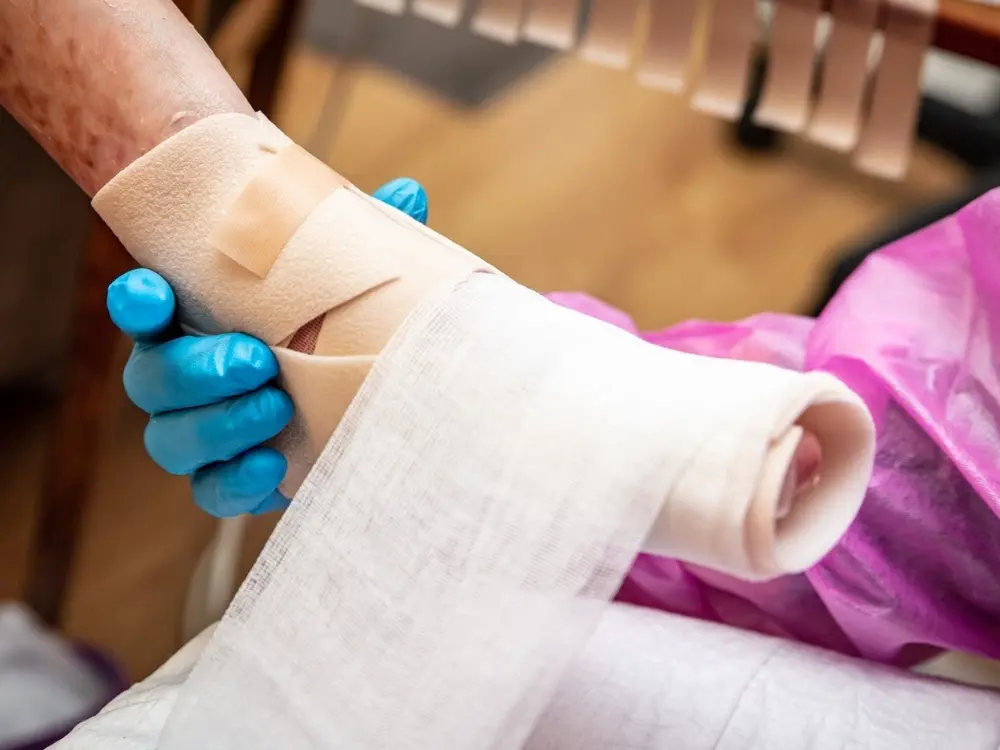
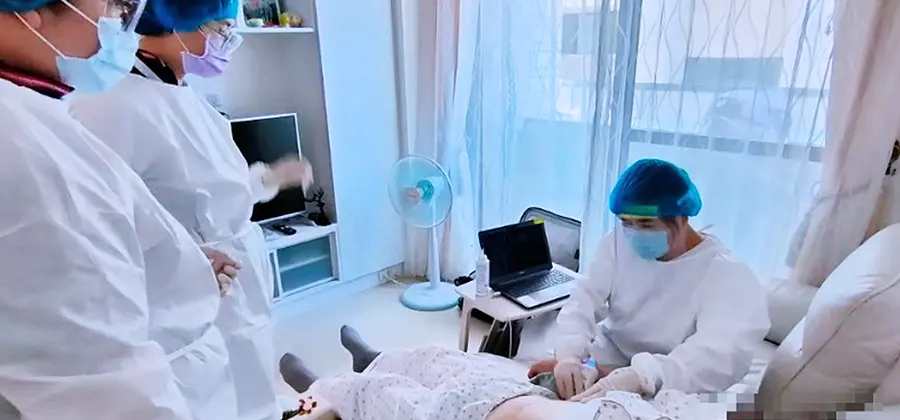
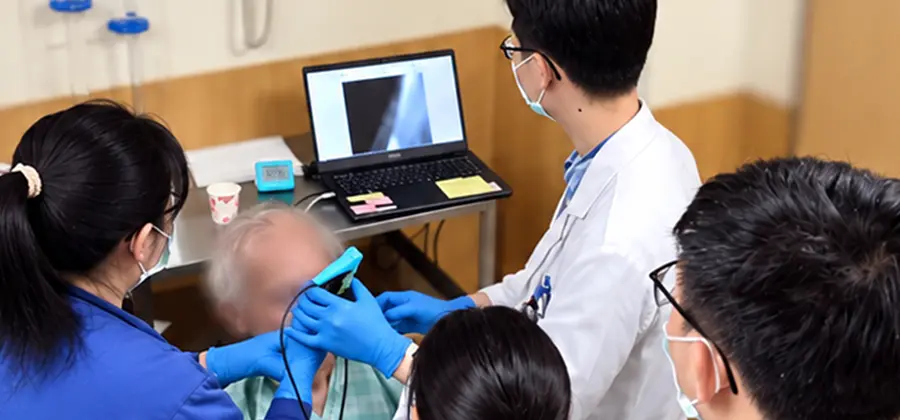
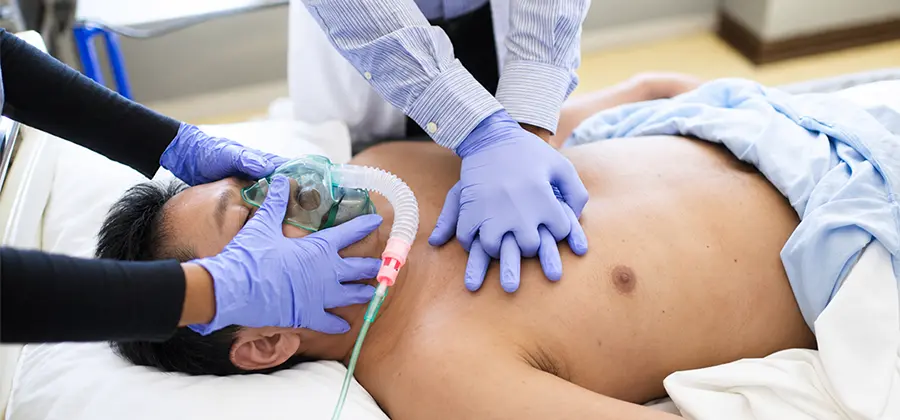
Holistic Care Interventions: Integrated multidisciplinary outpatient clinics, monthly home-based medical consultations, facilitated access to healthcare services, public health and social education outreach, and expressive arts therapy.
New patient specimens continue to be received nationwide: 23 in 2022, 28 in 2023, 40 in 2024, and 18 up to June 2025.
Patients' willingness to seek care has risen significantly. The average monthly attendance at the specialized Epidermolysis Bullosa (EB) clinic has climbed steadily, reaching 50 visits/month in June 2025, showing sustained growth since its establishment in 2020.
Results from the patient-centered holistic care service quality survey demonstrated an overall patient satisfaction score of 4.82 out of 5. Among respondents, 82.4% reported being "very satisfied" with the quality of services, while 17.6% indicated they were "satisfied." Currently, there are limited precedents and little research available in Taiwan regarding holistic care for patients with Epidermolysis Bullosa. Through continuous efforts by our multidisciplinary team and ongoing engagement with patients and families, we have gradually developed a care model tailored to their needs and achieved these highly positive outcomes. This result serves as an important affirmation and source of motivation for our team.
Since 2021, expressive arts therapy has been integrated into patient care by collaborating with certified music & art therapists. In 2023, 29 sessions were provided to offer holistic support and companionship, enhancing patients' resilience, coping abilities, and overall well-being.
The number of Epidermolysis Bullosa (EB) cases reported by National Cheng Kung University Hospital accounts for 100% of all reported EB cases nationwide in Taiwan.
Our team has utilized transcriptome sequencing and single-cell RNA sequencing (scRNA-seq) technologies to investigate therapeutic strategies for Pruriginosa-type Epidermolysis Bullosa (EB Pruriginosa). The findings have been published in the following peer-reviewed journals:
Journal of the American Academy of Dermatology (J Am Acad Dermatol). 2024 Jul;91(1):130–133
British Journal of Dermatology (Br J Dermatol). 2024 Jul 16;191(2):252–260.
(3)Skin Health and Disease. 2024. https://doi.org/10.1002/ski2.445
Current research findings indicate that the biologic agent dupilumab can effectively reduce pruritus symptoms, achieving approximately 50% improvement. In contrast, treatment with JAK1 inhibitors, a class of small-molecule targeted therapies, has demonstrated up to 100% improvement in symptom control, suggesting substantial therapeutic potential for patients with EB Pruriginosa.
Genetic Testing
• Sequencing QC: Checkpoints are set across the workflow (sample, library, raw data, & analysis validation), with all outcomes fully documented in standard forms.
• PCR Quality Control: Covers specimen control, reagent monitoring, workflow standardization, & instrument calibration to ensure precision & reproducibility.
Cell Staining
• Specimen Management: Clinical staff collect & deliver specimens, verified by lab personnel prior to processing.
• Lab QC: Includes staining validation, workflow logging, & rigorous data retention.
• Result Analysis: Diagnostic reports are generated with strict traceability, reliability, & consistency.
Holistic Care
• Psychosocial Support: Dedicated multidisciplinary clinics & psychological resources address patients' physical, emotional, & social needs.
• Continuous Quality Improvement: The PDCA (Plan-Do-Check-Act) cycle is implemented to review processes, analyze outcomes, & execute specific corrective actions for better patient care.
2025 Satisfaction Survey of the EB and Dermatological Rare Disease Care Team at National Cheng Kung University Hospital: 4.8/5
The average satisfaction score in 2025 has remained at an exceptionally high level, close to the maximum possible score. This indicates that the team’s outstanding quality of medical care and holistic, patient-centered services continues to receive strong affirmation from patients and their families.
World No.1
Asia No.1
World Congress on Epidermolysis Bullosa, January 19–23, 2020, London, UK
Orphanet J Rare Dis (Major Revision)